EN
EN

As a Fabric Development Manager who has spent over fifteen years translating creative concepts into tangible, high-performance textiles, I have witnessed the evolution of custom fabric sourcing from a fragmented, opaque process to a streamlined, data-driven journey. For many activewear brands, particularly startups and mid-sized entities, the path to launching Sustainable Activewear is fraught with uncertainty. They often lack a clear roadmap, struggling to define technical specifications, manage sampling timelines, or verify functional claims. The result is delayed product launches, inconsistent quality, and wasted capital on materials that fail to meet performance expectations. Developing custom fabrics is not merely about selecting a color; it is an engineering challenge that requires precise coordination between material science, design aesthetics, and manufacturing constraints. This article outlines the comprehensive development process for custom performance fabrics, providing a systematic framework for brands to navigate from initial concept to mass production while ensuring their Sustainable Activewear meets rigorous standards for durability, comfort, and environmental responsibility.
The foundation of any successful fabric development project lies in clearly defined requirements. Before approaching a supplier, brands must articulate the specific needs of the end-user. Is the garment intended for high-intensity interval training, requiring maximum moisture-wicking and four-way stretch? Or is it for casual athleisure, prioritizing soft hand-feel and drape? When developing items like custom stretch yoga joggers, the primary focus might be on opacity during deep squats and recovery elasticity after prolonged wear. In contrast, custom rugby jerseys demand exceptional abrasion resistance and tear strength to withstand tackles and grass stains.
A common pitfall is vague communication. Saying "I want a breathable fabric" is insufficient. Instead, specify metrics such as air permeability rates (e.g., >500 mm/s) or moisture management indices. This precision allows the development team to narrow down potential fiber blends. For Sustainable Activewear, this stage also involves defining ethical parameters, such as whether recycled polyester (rPET), ECONYL® regenerated nylon, or organic cotton blends are preferred. By establishing these non-negotiables early, brands can avoid costly pivots later in the process. Healy Sportswear assists clients in this phase by conducting a thorough needs analysis, ensuring that the subsequent fabric selection aligns perfectly with the intended application of products like custom sublimated cheerleading uniforms or custom side-split tennis skirts.
Once the concept is locked, the next critical step is creating a detailed Tech Pack. Many emerging brands struggle with this document, leading to miscommunication with manufacturers. A robust Tech Pack for custom fabrics should include fiber composition percentages, yarn counts (denier or tex), weave or knit structures (e.g., single jersey, interlock, mesh), GSM (grams per square meter), width, color references (Pantone/TCX), and required finishes (anti-microbial, UV protection, water repellency).
For instance, when specifying custom reinforced goalie pants, the Tech Pack must detail the placement of double-layered knee panels and the type of heavy-duty nylon used for impact zones. Similarly, for custom raglan sleeve baseball tees, the specification might call for a slub-textured organic cotton blend to achieve a vintage aesthetic without compromising breathability. A professional partner will help refine these specs, offering alternatives if certain combinations are technically unfeasible or cost-prohibitive. This collaborative approach ensures that the final Sustainable Activewear product is manufacturable at scale. Without a precise Tech Pack, samples may look correct but fail under stress testing, rendering them useless for commercial sale.
With the Tech Pack finalized, the sourcing phase begins. This involves identifying mills capable of producing the specified fabric. For Sustainable Activewear, verifying the mill’s certifications—such as GRS (Global Recycled Standard) for rPET or OEKO-TEX for chemical safety—is paramount. Once potential suppliers are shortlisted, initial swatch requests are made. These small samples allow for visual and tactile assessment before committing to larger yardage.
If the swatches pass preliminary review, the next step is lab-dip sampling for color accuracy and strike-off printing for pattern validation. This is crucial for items like custom sublimated cheerleading uniforms, where vibrant, multi-color designs must remain sharp after washing. Following approval of strikes-offs, bulk sample yardage is ordered for prototyping. During this stage, multiple rounds of iteration may occur. For example, a prototype of custom stretch golf pants might reveal that the waistband loses tension after repeated stretching. The fabric developer would then adjust the elastane content or modify the knit structure to improve recovery. Effective communication and rapid turnaround times are essential here to prevent delays. Healy’s integrated facility allows for quick adjustments, reducing the typical 4-6 week sampling cycle to just 7-12 days per iteration, accelerating the launch of new Sustainable Activewear lines.
Before mass production, the fabric must undergo rigorous functional testing. Visual appeal is no longer enough; performance metrics must be quantified. Key tests include tensile strength, tear resistance, abrasion resistance, colorfastness to washing and rubbing, shrinkage rates, and pilling resistance. For specialized functions, additional tests are required. Cooling fabrics are tested for Q-max values (contact cooling sensation), while UV-protective materials are assessed for UPF ratings. Anti-odor treatments are evaluated against bacterial growth inhibition zones.
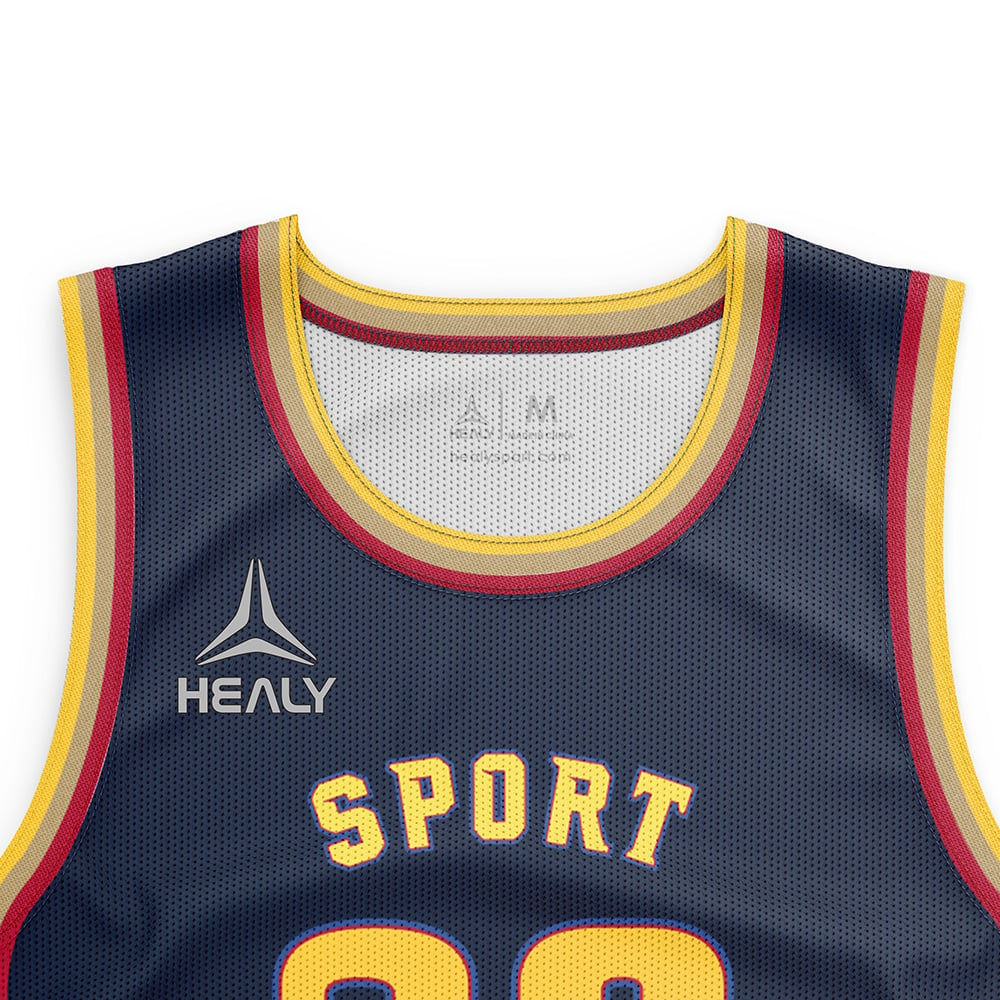
Consider custom reversible basketball jerseys: they must withstand intense sweating and frequent laundering. Testing ensures that the sublimation prints do not crack and that the moisture-wicking properties remain effective after 50 wash cycles. For custom sports uniforms used in school leagues, durability is key to minimizing replacement costs. Brands should require third-party lab reports from accredited facilities to validate these claims. This transparency builds consumer trust and protects the brand from liability issues related to false advertising. Ensuring that every batch of Sustainable Activewear meets these strict performance benchmarks is the hallmark of a responsible manufacturer.
In today’s regulatory landscape, compliance is not optional. Brands targeting global markets must ensure their fabrics adhere to local laws. CE marking is mandatory for Europe, while ASTM/CPSIA standards apply to children’s apparel in the US. REACH regulations restrict hazardous chemicals in EU-bound goods. FSC certification ensures that paper-based packaging or viscose fibers come from responsibly managed forests.
Developing Sustainable Activewear requires navigating these complex legal frameworks. Suppliers must provide documentation proving that dyes are azo-free, heavy metals are below threshold limits, and recycled content is verified. Failure to comply can result in shipment seizures, fines, or reputational damage. A strategic partner stays updated on evolving regulations, such as the EU’s upcoming digital product passport requirements, helping brands future-proof their supply chains. By integrating compliance checks into the development workflow, companies can confidently market their products as safe and eco-friendly.
On September 17, 2026, a mid-sized fitness brand in Toronto, Canada, faced a critical deadline to launch its new winter collection. Their previous attempt with another supplier had failed due to inconsistent fabric weight and poor thermal retention in custom stretch yoga joggers. They partnered with Healy Sportswear to restart the development process.
Healy’s team began by re-evaluating the Tech Pack, recommending a dual-layer brushed-back fleece construction using GRS-certified rPET. Within two weeks, three iterations of lab dips and strike-offs were approved. Functional testing revealed that the initial sample lacked sufficient elasticity recovery; Healy adjusted the spandex ratio from 8% to 12%, achieving the desired compression fit. Simultaneously, compliance documents for CE and UKCA were prepared. The final bulk order was delivered on time, meeting all performance and sustainability criteria. Customer feedback highlighted the superior warmth and fit, leading to a 30% increase in repeat purchases. This case illustrates how a structured, collaborative development process transforms challenges into competitive advantages for Sustainable Activewear.
The custom performance fabric development process is a meticulous journey that demands attention to detail at every stage. From defining clear requirements and creating accurate Tech Packs to rigorous functional testing and compliance verification, each step contributes to the success of the final product. For brands aiming to lead in the Sustainable Activewear market, partnering with a supplier who offers end-to-end expertise is crucial. By leveraging integrated services—from R&D to logistics—companies can reduce risk, accelerate time-to-market, and deliver high-quality products that resonate with conscious consumers. Mastery of this process is not just about manufacturing; it is about building a legacy of reliability and innovation in the sportswear industry.
18 September, 2026
Sustainable Activewear Pricing Guide: What Affects Custom Production Costs?