EN
EN

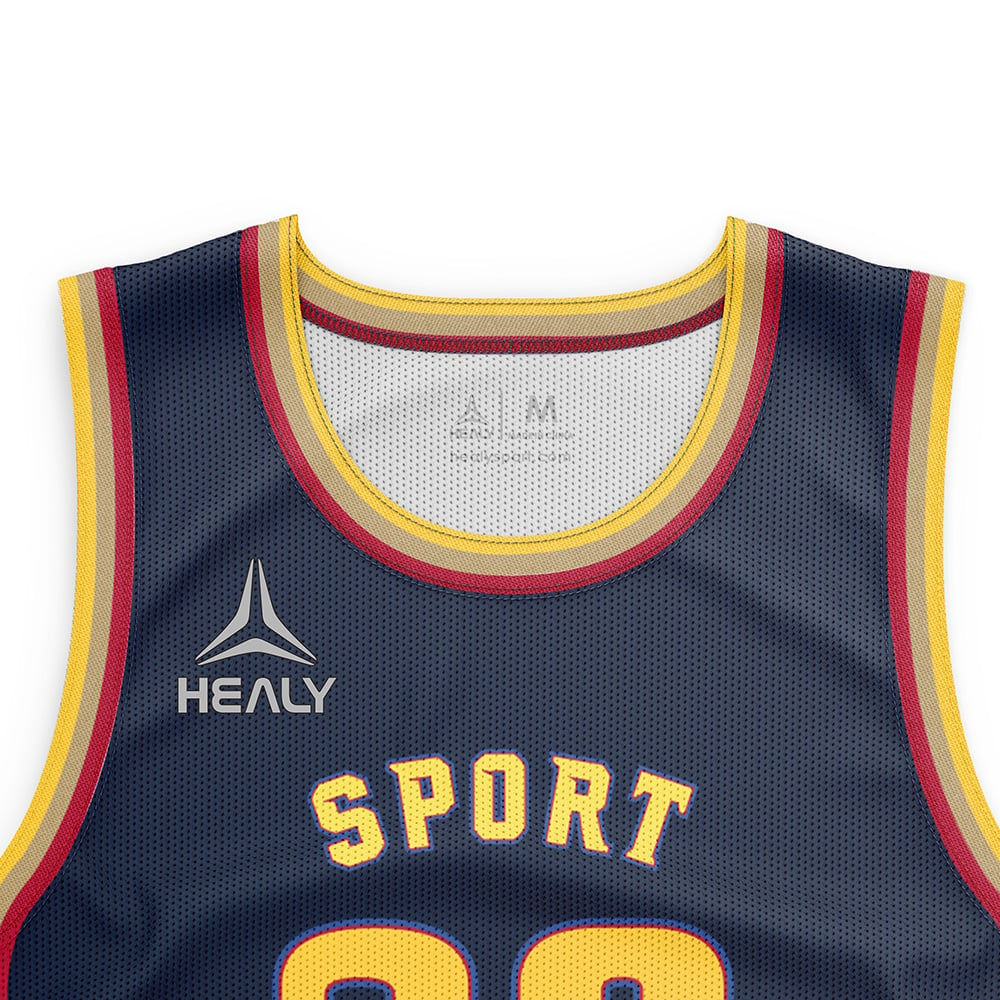
As a professional basketball team manager who has overseen the procurement of uniforms for over a decade, I have learned that the choice of printing technology is not merely a logistical detail—it is a critical determinant of player performance, brand integrity, and long-term cost efficiency. The market is saturated with vendors offering "custom solutions," yet many teams suffer from the consequences of poor process selection: jerseys that peel after two games, numbers that crack during intense movement, or fabrics that trap sweat like plastic wrap. To avoid these pitfalls, one must understand the fundamental differences between sublimation, screen printing, and heat transfer. This guide dissects these three dominant methods, evaluating them based on durability, comfort, design freedom, and cost structures, to help you make an informed decision for your next Basketball Jersey order.
The first step in selecting the right method for your Basketball Jersey is understanding how the ink interacts with the fabric.
For competitive teams, durability is non-negotiable. A Basketball Jersey undergoes rigorous physical stress—stretching, pulling, and sliding—and frequent laundering.
Heat transfer vinyl is notorious for its fragility. After several washes and cycles of intense athletic movement, the edges of the vinyl begin to lift, creating a "peeling" effect. Eventually, large sections may crack or detach entirely, rendering the jersey unsightly and unprofessional. Screen printing is more durable than vinyl but can still suffer from cracking if the ink layer is too thick, particularly on stretchable areas like the shoulders or sides of a Basketball Jersey. Over time, repeated washing can also cause the ink to fade slightly.
In contrast, sublimation offers superior longevity. Because the dye is embedded within the fiber, it cannot peel, crack, or flake off. The color remains vibrant even after dozens of industrial wash cycles. When we tested Healy Sportswear’s sublimated Basketball Jersey samples against commercial heat-transfer alternatives, the results were stark. After 50 wash cycles, the sublimated jerseys retained 98% of their original color saturation and structural integrity, while the heat-transfer counterparts showed significant peeling at the number outlines. For teams looking to maximize the lifespan of their equipment, sublimation is the clear winner for Basketball Jersey production.
Nothing hinders a player’s performance more than uncomfortable gear. In the fast-paced environment of a basketball court, moisture management and thermal regulation are vital.
Heat transfer creates a barrier. The vinyl or plastisol layer blocks air circulation through the printed areas. During a summer tournament, players wearing heat-transferred Basketball Jerseys often complain of localized sweating and chafing under the numbers and logos. The "plastic feel" against the skin is distracting and can lead to irritation during prolonged play.
Screen printing also impacts breathability, though less severely than vinyl. Thick layers of plastisol ink can weigh down the fabric and reduce airflow. However, newer water-based discharge inks have improved this aspect, though they remain limited in design complexity.
Sublimation excels in comfort because it adds zero weight or texture to the fabric. The pores of the polyester mesh remain open, allowing full breathability and moisture-wicking capabilities to function optimally. A sublimated Basketball Jersey feels identical whether you are touching the printed logo or the blank shoulder panel. This seamless integration ensures that players remain cool, dry, and focused on the game, not their clothing. For professional-level Basketball Jersey requirements, comfort is synonymous with sublimation.
Modern team branding demands high-resolution graphics, intricate patterns, and unlimited color palettes. Here, the limitations of traditional methods become apparent.
Screen printing is restricted by the number of screens used. Each additional color increases setup costs and complexity. Gradients and photorealistic images are nearly impossible to achieve without halftone dot patterns, which can look pixelated up close. For a Basketball Jersey featuring a detailed mascot or sponsor logo with multiple colors, screen printing often forces compromises in visual fidelity.
Heat transfer allows for some complexity but is limited by the need to cut each color individually. Intricate details can be difficult to weed out (remove excess vinyl), leading to potential errors or loss of definition. Furthermore, alignment issues can occur when applying multiple layers of vinyl to a curved surface like a jersey.
Sublimation offers unparalleled design freedom. Since the image is printed digitally before being transferred, there are no restrictions on color count. Full-color gradients, photographic images, and all-over prints are easily achieved. You can place a logo anywhere on the Basketball Jersey—front, back, sleeves, or hem—without worrying about seam allowances interfering with the design. The resolution is typically 150-300 DPI, ensuring crisp lines and accurate color reproduction. For teams wanting a unique, visually striking identity, sublimation provides the highest level of creative control for custom Basketball Jersey designs.
Budget considerations often drive initial decisions, but it is crucial to analyze total cost of ownership rather than just unit price.
Heat transfer is the cheapest option for very small orders (e.g., fewer than 10 units) due to low setup costs. However, per-unit pricing does not drop significantly with volume, and the replacement cost for damaged jerseys adds up quickly. Screen printing has high setup fees (cost of screens), making it economically viable only for larger runs (typically 50+ units). For small clubs or school teams ordering a handful of Basketball Jerseys, screen printing is often prohibitively expensive.
Sublimation has virtually no setup costs since it uses digital printers. The unit price remains relatively consistent regardless of batch size, making it highly accessible for small orders. Moreover, because sublimated jerseys last longer, the cost-per-wear is significantly lower than cheaper alternatives that need replacing annually. For startups and amateur leagues, sublimation offers a balance of affordability and quality that other methods cannot match for custom Basketball Jersey projects.
To simplify the selection process, consider your specific needs:
On September 17, 2026, a competitive youth basketball league in Toronto, Canada, faced a crisis. Their previous supplier had delivered heat-transfer Basketball Jerseys that began peeling after just two weeks of practice. With the provincial championships approaching, the league needed a rapid, reliable solution. They partnered with Healy Sportswear.
Healy’s team analyzed the situation and recommended switching to GRS-certified recycled polyester with sublimation printing. Despite the short timeline, Healy’s internal production line allowed for digital proofing within 24 hours and sample delivery in five days. The league approved the design, which featured intricate gradient backgrounds and multi-colored sponsor logos—elements impossible with their previous method. Mass production was completed in 12 days, with rigorous QC checks ensuring zero defects. The new Basketball Jerseys arrived two days before the tournament. Players reported significantly improved comfort, and the jerseys maintained their pristine appearance throughout the championship. This case highlights how choosing the right technology transforms a stressful procurement issue into a competitive advantage.
Selecting the best printing method for your Basketball Jersey requires balancing cost, durability, comfort, and design goals. While heat transfer and screen printing have their niche applications, sublimation stands out as the superior choice for serious athletes and brands. It offers unmatched longevity, enhances player performance through breathable comfort, and provides limitless creative possibilities. By partnering with a manufacturer like Healy Sportswear that specializes in sublimation, teams can ensure their Basketball Jersey investment yields high returns in both aesthetics and functionality.
18 September, 2026
Sustainable Activewear Pricing Guide: What Affects Custom Production Costs?