EN

As a seasoned wholesale buyer who has navigated the volatile sportswear market for over a decade, I have learned that inventory risk is the silent killer of profit margins. The difference between a successful season and a warehouse full of deadstock often comes down to one critical decision: what you choose to buy. In the current landscape, this decision is complicated by the rising demand for Sustainable Activewear. While consumers are increasingly eco-conscious, they are also skeptical. They want performance, style, and proof of ethical sourcing without paying an exorbitant premium. For buyers serving diverse clients—boutique brands seeking uniqueness, sports clubs needing durability, and general retailers chasing volume—the challenge is finding a product mix that satisfies all three segments while mitigating regulatory risks like "greenwashing." This article provides a data-driven guide to the best-selling categories in Sustainable Activewear, offering a strategic framework for selecting products that resonate with today’s conscious consumer while ensuring healthy turnover rates.
Market analysis reveals that not all sustainable categories perform equally. To optimize your purchasing strategy, we must look at high-turnover items across three key segments.
A one-size-fits-all approach fails in modern retail. Successful buyers tailor their selections based on the specific needs of their client base.
The term Sustainable Activewear is often misused. Smart buyers distinguish between genuine innovation and marketing fluff. Currently, the market favors materials with verifiable impact. Recycled Polyester (rPET) derived from post-consumer plastic bottles remains the gold standard for synthetic performance gear. It offers comparable technical properties to virgin polyester but reduces carbon emissions significantly. For natural fibers, Organic Cotton and Hemp are gaining popularity for their water-saving benefits, though they require careful processing to maintain performance standards.
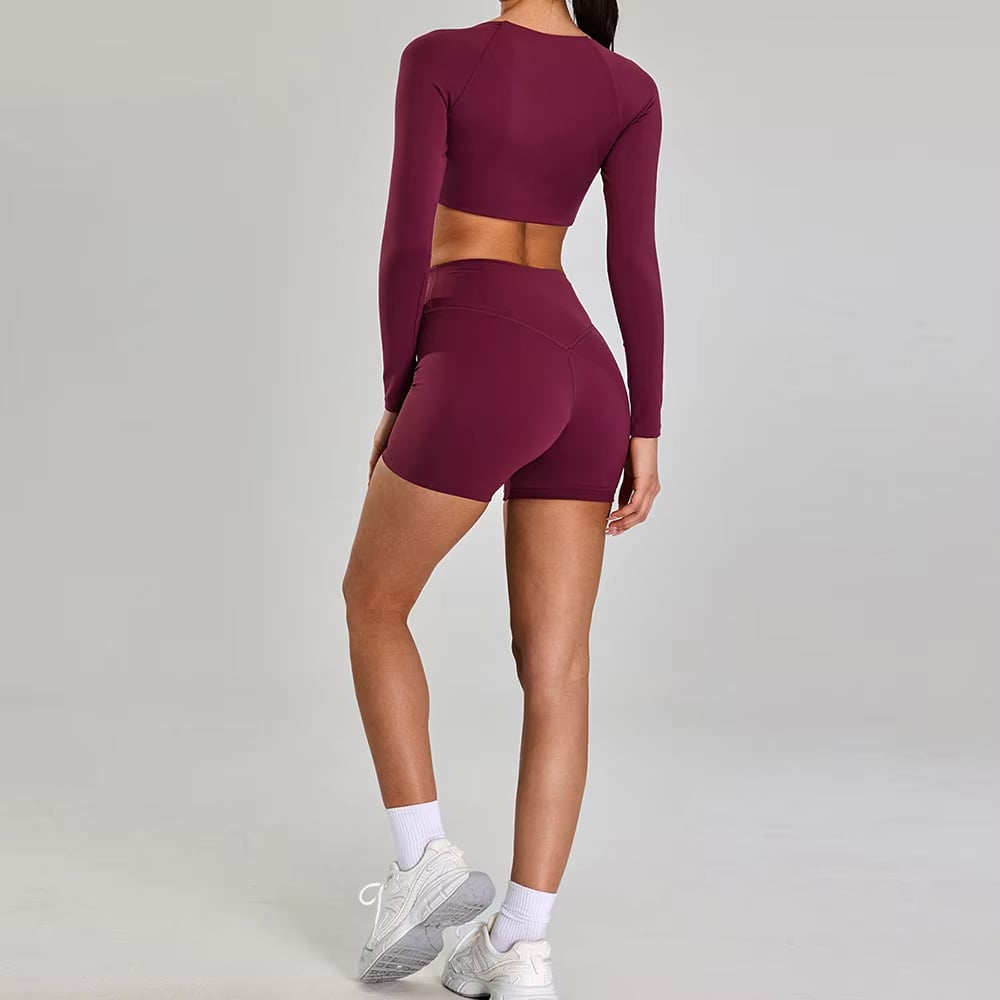
However, trends shift quickly. Bio-based elastanes, which replace petroleum-derived spandex, are emerging as a next-generation solution for items requiring high stretch, such as custom stretch cheerleading crop tops. Buyers should stay ahead of the curve by partnering with manufacturers who invest in R&D for these new materials. Additionally, circularity is becoming a focus. Designs that facilitate easy recycling, such as mono-material constructions, are increasingly requested by forward-thinking brands. Understanding these nuances allows buyers to recommend products that will remain relevant in the coming years, rather than those that are merely trendy today.
In Europe and North America, regulations regarding environmental claims are tightening. The EU’s EmpCo directive and similar laws mean that vague terms like "eco-friendly" are no longer sufficient. Buyers must ensure that every piece of Sustainable Activewear they purchase comes with robust documentation. Key certifications include GRS (Global Recycled Standard) for recycled content, OEKO-TEX for chemical safety, and BSCI for social compliance.
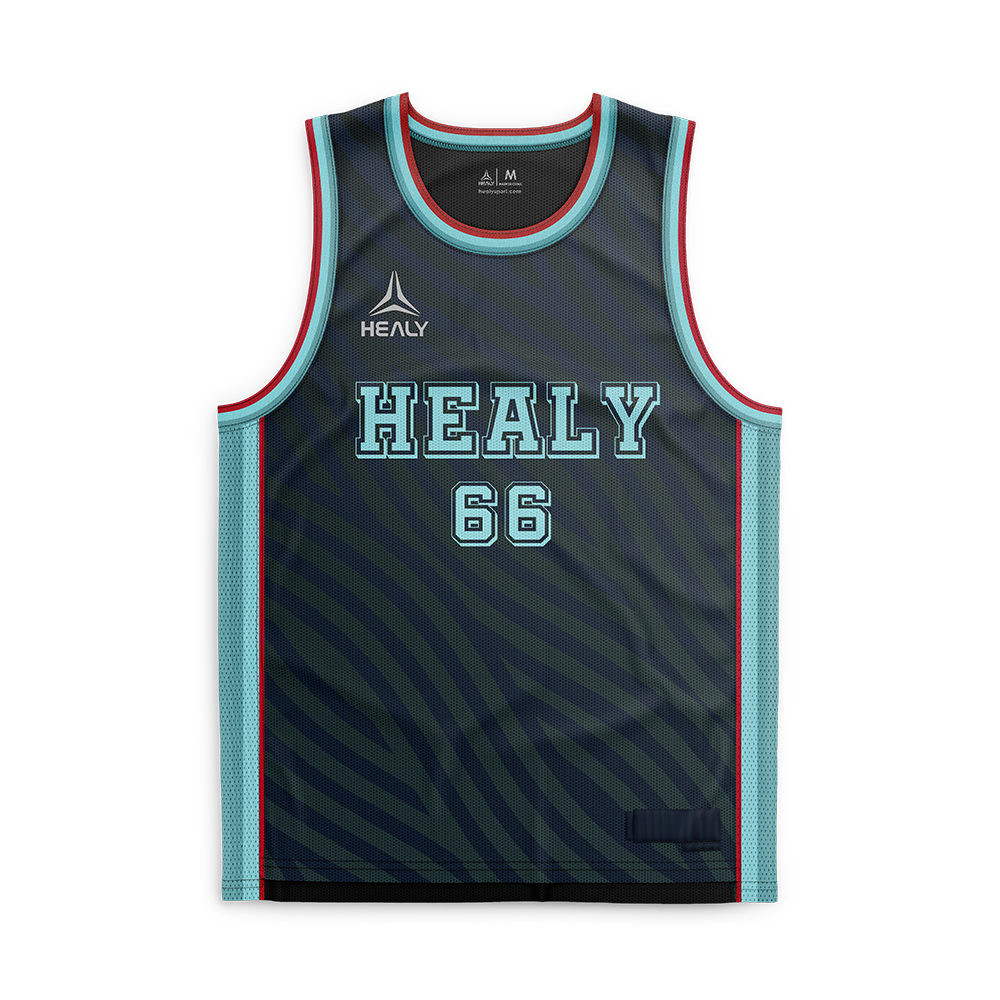
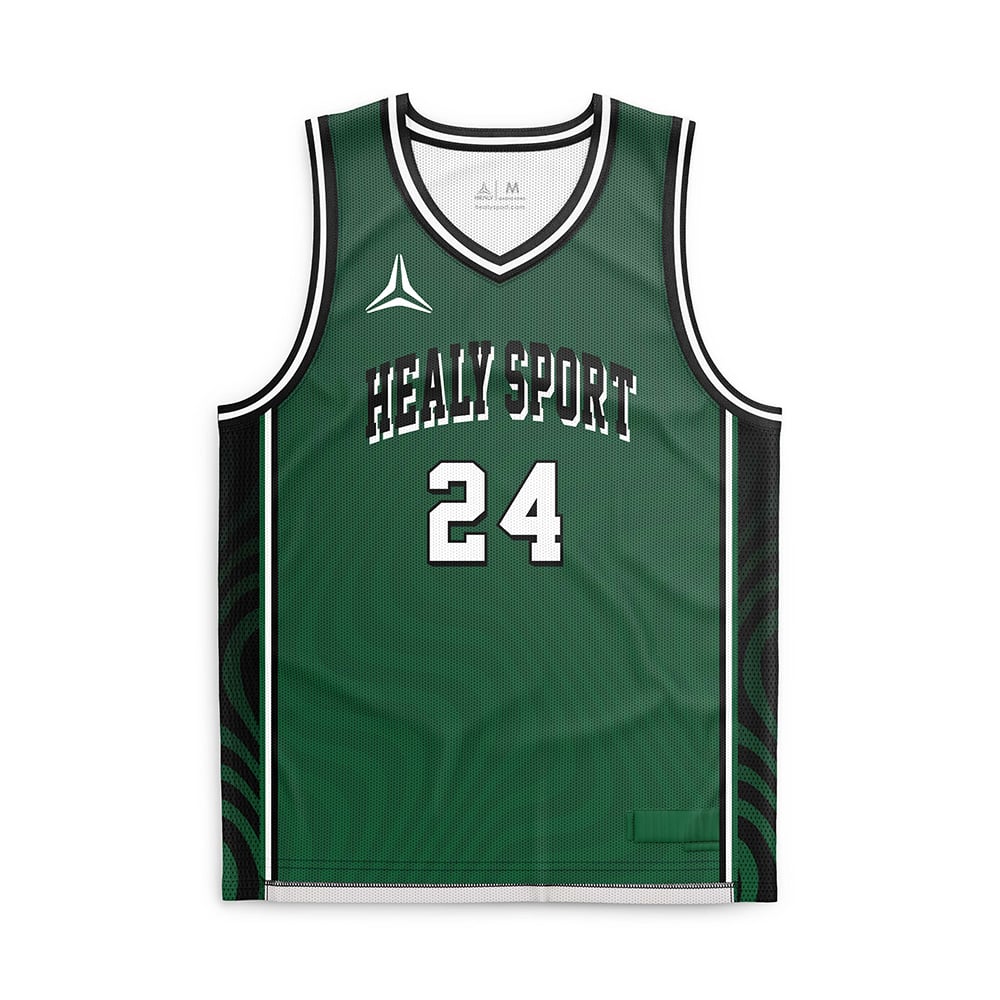
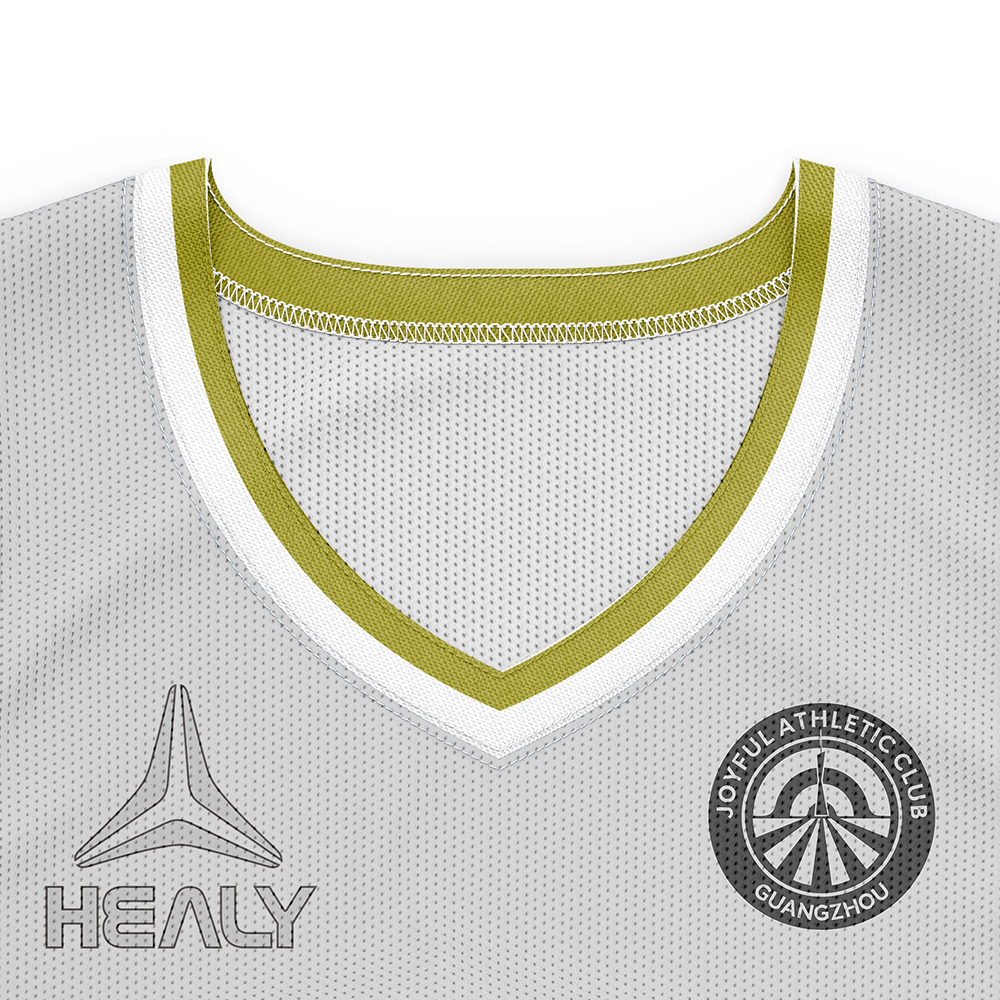
When sourcing items like custom reversible basketball jerseys or custom reinforced goalie pants, verify that the supplier holds valid certificates and that these cover the entire supply chain, from yarn spinning to final assembly. Lack of proper documentation exposes retailers to legal risks and reputational damage. A trusted partner will provide transparent traceability reports, allowing buyers to confidently communicate the product’s origins to end-users. This compliance layer is not just a legal requirement; it is a competitive advantage that builds trust with discerning customers.
On September 17, 2026, a mid-sized sporting goods retailer in Toronto, Canada, faced a dilemma. Their previous supplier had delivered a bulk order of custom stretch yoga joggers that failed to meet Canadian import safety standards due to undisclosed chemical treatments. The retailer was left with unsellable inventory and a damaged reputation.
They partnered with Healy Sportswear to restart their Q4 collection. Healy provided a data-driven selection plan focusing on high-margin, low-risk items. They sourced GRS-certified rPET fabrics and produced custom stretch yoga joggers and matching tops. Crucially, Healy supplied complete REACH and OEKO-TEX compliance documentation before shipment. The retailer launched a marketing campaign highlighting the verified sustainability of the line. The result was a sell-through rate of 85% within six weeks, with zero returns related to quality or compliance issues. This case underscores how rigorous selection and certification can transform a risky procurement into a profitable success story for Sustainable Activewear.
Selecting the right Sustainable Activewear requires a blend of market intuition, data analysis, and regulatory diligence. By understanding the distinct needs of brands, clubs, and wholesalers, and by prioritizing verifiable sustainability metrics, buyers can curate collections that drive sales and build loyalty. The future of sportswear lies not just in performance, but in purpose. As a buyer, your role is to connect purposeful products with the people who care about them. With the right partner and a clear strategy, Sustainable Activewear becomes not just a trend, but a cornerstone of a resilient business model.
23 September, 2026
Custom Basketball Jersey Printing Process: From Artwork to Finished Teamwear