EN

As a team manager who has overseen the procurement of uniforms for multiple seasons, I have learned that the gap between a brilliant design concept and a flawless finished Basketball Jersey is often filled with logistical nightmares. Many teams believe that once they submit an artwork file, the rest is automatic. However, the reality of custom apparel manufacturing is far more complex. Issues such as low-resolution files, mismatched fabric-printing combinations, and opaque production timelines frequently lead to delayed deliveries, poor quality control, and frustrated players. To ensure your team looks professional and performs comfortably, it is essential to understand the end-to-end printing process. This guide breaks down the journey of a custom Basketball Jersey, from initial artwork preparation to final delivery, highlighting the critical checkpoints that prevent costly errors and ensure high-quality results.
The foundation of a successful Basketball Jersey order lies in the technical quality of the source files. A common mistake among amateur designers or club managers is submitting JPEG images or low-resolution PDFs. For sublimation printing, which is the industry standard for performance wear, vector-based files (such as AI, EPS, or SVG) are preferred because they allow for infinite scaling without loss of clarity. If raster images are used, they must be at least 300 DPI at full size to avoid pixelation on the large surface area of a jersey.
Furthermore, color management is crucial. Digital screens display colors in RGB mode, while printers use CMYK. Converting designs incorrectly can result in dull or shifted colors on the final product. Professional manufacturers like Healy Sportswear offer design assistance services to help clients convert files into print-ready formats. They check for bleed margins, ensuring that graphics extend beyond the cut lines so no white edges appear after sewing. By addressing these technicalities upfront, brands can avoid the "garbage in, garbage out" scenario where beautiful digital mockups translate into blurry, misaligned physical jerseys. Proper file preparation ensures that every detail of the Basketball Jersey design is preserved during production.
Once the design is finalized, the next step is selecting the appropriate fabric and matching it with the correct printing technology. Not all fabrics work with all printing methods. Dye-sublimation, for instance, requires polyester-rich fabrics; cotton or high-cotton blends will not accept the ink permanently, leading to faded or washed-out prints. Conversely, screen printing works well on various materials but struggles with complex gradients and unlimited colors due to the need for separate screens per color.
For modern Basketball Jerseys, lightweight, moisture-wicking polyester meshes (typically 140-180 GSM) are the ideal choice. These fabrics provide breathability and durability, essential for athletic performance. When paired with sublimation printing, the ink permeates the fibers, resulting in vibrant, permanent colors that do not crack or peel. It is vital to consult with your supplier early in this stage. A knowledgeable partner will advise on the best fabric-weight combination for your specific design complexity. For example, if your Basketball Jersey features intricate background patterns, a smoother mesh might yield sharper details than a heavy-duty open mesh. Misalignment here can lead to expensive re-runs or unsatisfactory products.
With the design approved and fabric selected, the actual printing process begins. In dye-sublimation, the first step involves printing the mirror-image design onto specialized transfer paper using sublimation inks. This paper is then carefully aligned with the pre-cut fabric panels. The assembly is fed through a heat press machine, where temperatures reach approximately 200°C (392°F). Under this intense heat and pressure, the solid ink turns into gas and bonds molecularly with the polyester fibers.
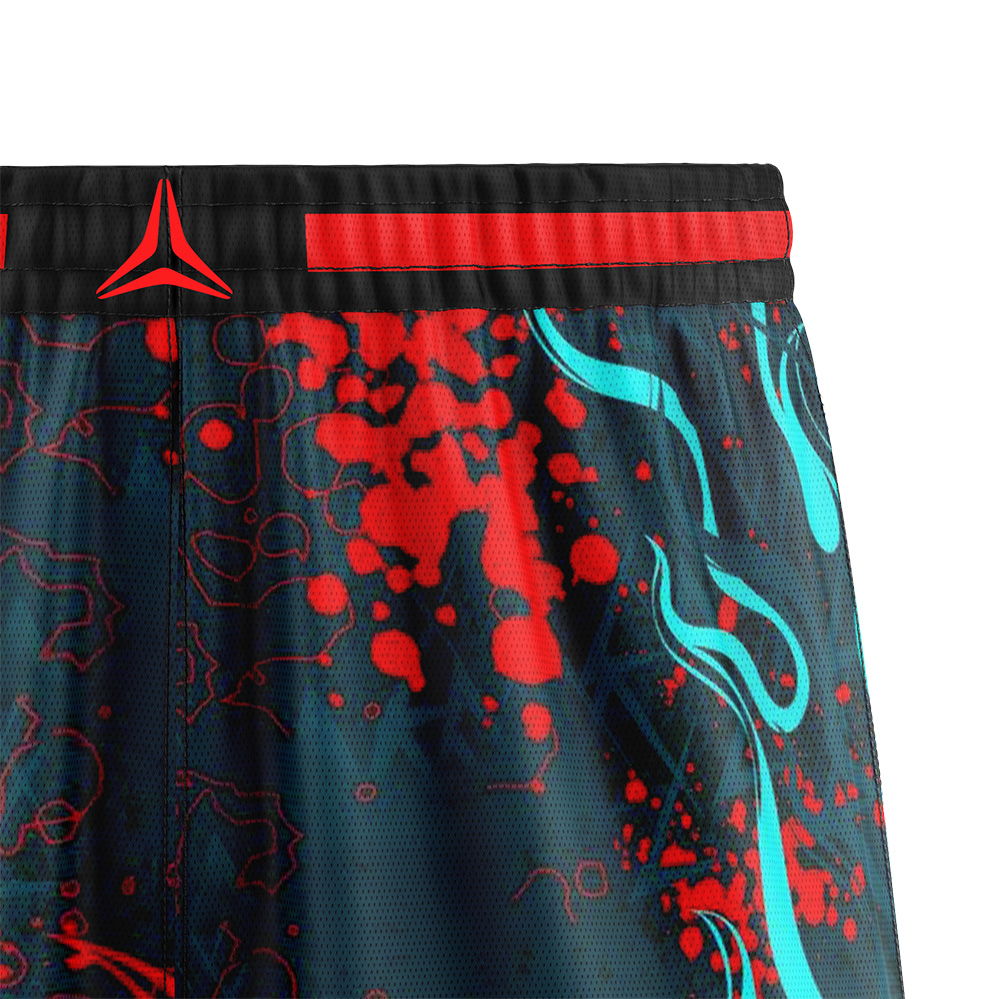
This stage requires precision alignment. Any shift in the paper during pressing can result in ghosting or blurred edges on the final Basketball Jersey. Advanced factories use automated registration systems to ensure perfect placement across multiple panels. After pressing, the paper is peeled away, revealing the vivid, embedded colors. Unlike vinyl applications, there is no texture to feel; the print is part of the fabric itself. This method allows for edge-to-edge coverage, enabling creative freedom for full-body designs on the Basketball Jersey. Quality control at this stage involves checking for color consistency, print sharpness, and any signs of under-pressing or over-pressing, which could affect the fabric’s hand-feel.
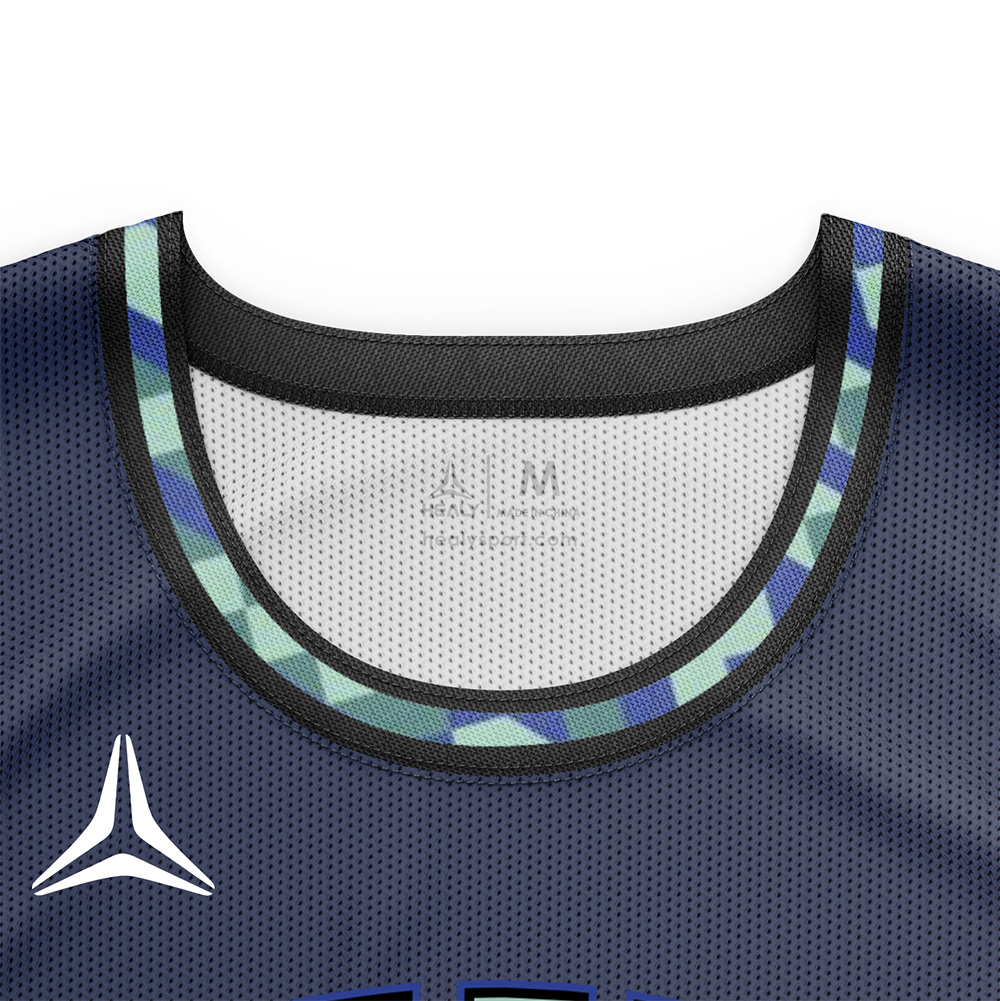
After the printed fabric panels are cooled and inspected, they move to the cutting room. Precision cutting is critical to ensure that each piece matches the pattern specifications exactly. Once cut, the panels are assembled by skilled sewers. This is where the structural integrity of the Basketball Jersey is determined. High-quality stitching, such as flatlock seams, prevents chafing and enhances durability. Reinforced stitching around armholes and necklines ensures the garment withstands rigorous movement.
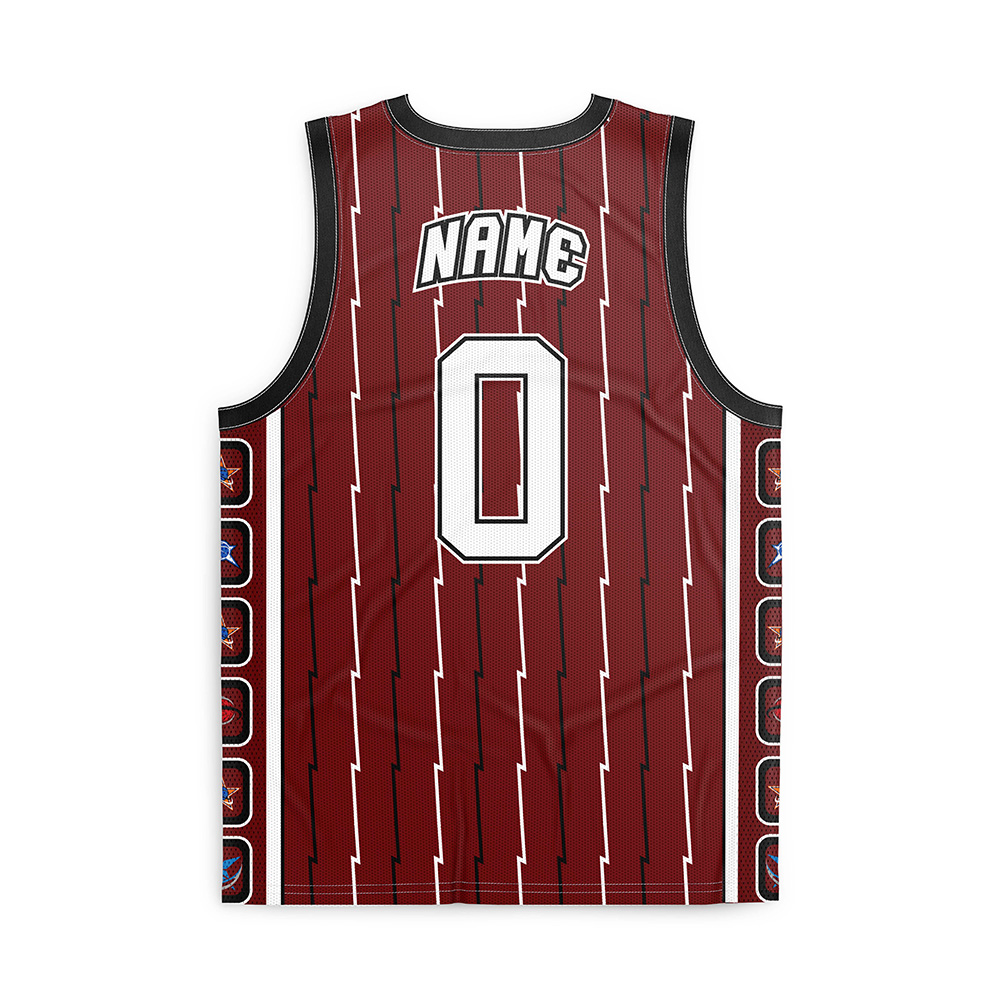
Personalization—adding player names and numbers—is typically done during this phase or immediately after. With sublimation, personalization can be integrated directly into the main print run, allowing for unique designs for every jersey in a batch without additional setup costs. This flexibility is a significant advantage for teams needing individual identification. Alternatively, some suppliers use heat-transfer vinyl for names and numbers, though this adds a layer of texture and potential peeling risks. Integrated sublimation remains the gold standard for professional-grade Basketball Jerseys, offering a seamless look and feel. Throughout assembly, workers must pay attention to grain direction and pattern matching across seams to maintain visual continuity.
The final stage before shipping is rigorous quality assurance. Every completed Basketball Jersey should undergo inspection for defects such as loose threads, uneven stitching, color deviations, or print misalignments. Reputable manufacturers implement multi-point QC checks, including incoming material inspection, in-process checks during sewing, and final random sampling. Certifications like CE, UKCA, ASTM/CPSIA, FSC, and REACH compliance ensure that the products meet international safety and environmental standards, particularly important for youth teams.
Packaging also plays a role in perceived value. Jerseys are usually folded neatly, placed in polybags (often made from recycled materials to align with sustainability goals), and boxed for shipment. Clear labeling helps teams distribute gear efficiently. Finally, logistics coordination ensures timely delivery. Transparent communication regarding tracking numbers and estimated arrival dates is essential to avoid last-minute surprises before game days. A smooth delivery process completes the lifecycle of the custom Basketball Jersey, transitioning it from factory floor to locker room.
On September 17, 2026, a competitive youth basketball league in Toronto, Canada, faced a crisis. Their previous supplier had delivered Basketball Jerseys with severe color fading and peeling numbers just weeks before the provincial championships. The league needed a rapid, reliable solution. They partnered with Healy Sportswear.
Healy’s team began by auditing the league’s existing artwork, converting low-res JPEGs into high-fidelity vector files and correcting color profiles for accurate sublimation reproduction. They recommended a 160 GSM recycled polyester mesh for optimal breathability and print clarity. Using their internal sublimation line, they produced samples within five days, allowing for immediate feedback and adjustments. The mass production included zero-cost personalization for 50 unique players, with names and numbers integrated into the main print. Rigorous QC ensured no defects, and the goods arrived two days ahead of schedule. The new Basketball Jerseys maintained their vibrancy throughout the tournament, boosting player confidence and earning praise from parents and coaches alike. This case underscores the importance of a structured, transparent manufacturing process in delivering high-performance teamwear.
Understanding the custom Basketball Jersey printing process empowers team managers to make informed decisions and hold suppliers accountable. From preparing compliant design files to selecting the right fabric-tech combination, overseeing sublimation precision, ensuring robust sewing, and demanding strict quality control, each step contributes to the final outcome. By partnering with experienced manufacturers who offer transparency and expertise, teams can avoid common pitfalls and receive uniforms that reflect their pride and professionalism.
23 September, 2026
Custom Basketball Jersey Printing Process: From Artwork to Finished Teamwear