EN

As a Quality Control Manager with over fifteen years of experience in the textile industry, I have witnessed a critical gap in how brands approach quality assurance for eco-conscious products. Traditional QC checklists are designed for conventional garments, focusing heavily on dimensions, stitching integrity, and visual aesthetics. However, when dealing with Sustainable Activewear, these standard metrics are insufficient. A shirt can be perfectly sewn but fail to meet environmental claims, or it might look pristine while releasing harmful microfibers during the first wash. The complexity of verifying recycled content, ensuring chemical safety under strict regulations like REACH, and maintaining high-performance standards in bio-based fabrics requires a specialized, multi-dimensional QC framework. This article outlines a comprehensive checklist tailored specifically for bulk orders of Sustainable Activewear, bridging the divide between ethical marketing promises and physical product reality.
The foundation of reliable Sustainable Activewear begins before the fabric even enters the cutting room. IQC is not just about checking for holes; it is about validating the supply chain’s integrity. For any order involving materials claimed to be recycled or organic, such as those used in custom sublimated cheerleading uniforms, we must verify the Global Recycled Standard (GRS) transaction certificates. These documents trace the flow of material from the waste source to the final yarn. Without this paper trail, the claim of sustainability is merely anecdotal.
Furthermore, fiber composition testing is mandatory. Using lab tests to confirm the percentage of rPET versus virgin polyester ensures that the manufacturer hasn’t diluted the sustainable blend to cut costs. For natural fibers, such as the organic cotton blends often found in custom raglan sleeve baseball tees, we require GOTS certification documentation. Additionally, initial batch testing for colorfastness and shrinkage rates is crucial. Eco-dyes sometimes behave differently than synthetic counterparts, so pre-production swatch testing prevents large-scale discoloration issues later. If the incoming roll fails these basic sustainability checks, the entire lot is rejected, protecting the brand’s reputation for authentic Sustainable Activewear.
Once production begins, IPQC shifts focus to consistency and functional performance. This stage involves "First Piece Approval" and regular line inspections. For high-stretch items like custom stretch yoga joggers or custom stretch golf pants, elasticity recovery is a key metric. We test samples mid-line to ensure the spandex or elastane blend maintains its shape after repeated stretching. If the fabric loses tension, the garment will bag out quickly, leading to customer dissatisfaction despite being made of "green" materials.
Another critical aspect of IPQC for Sustainable Activewear is seam strength testing. Recycled nylon, often used in durable items like custom reinforced goalie pants, can have different abrasion characteristics than virgin nylon. We perform pull-test measurements to ensure seams do not burst under stress. Additionally, we monitor dye bath temperatures and chemical usage to ensure compliance with ZDHC (Zero Discharge of Hazardous Chemicals) guidelines. This real-time monitoring ensures that the manufacturing process itself remains sustainable, not just the raw materials. Any deviation in stitch density or tension triggers an immediate stop-line authority, preventing defective units from progressing further.
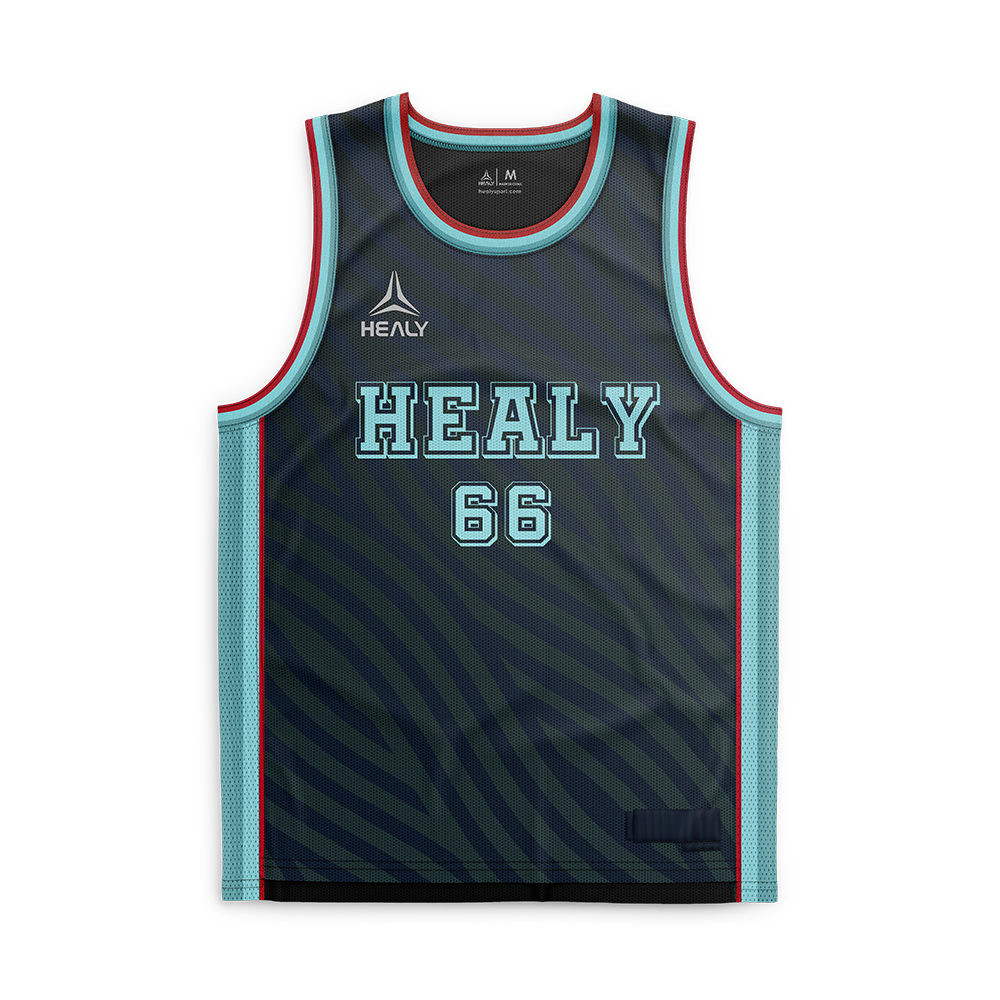
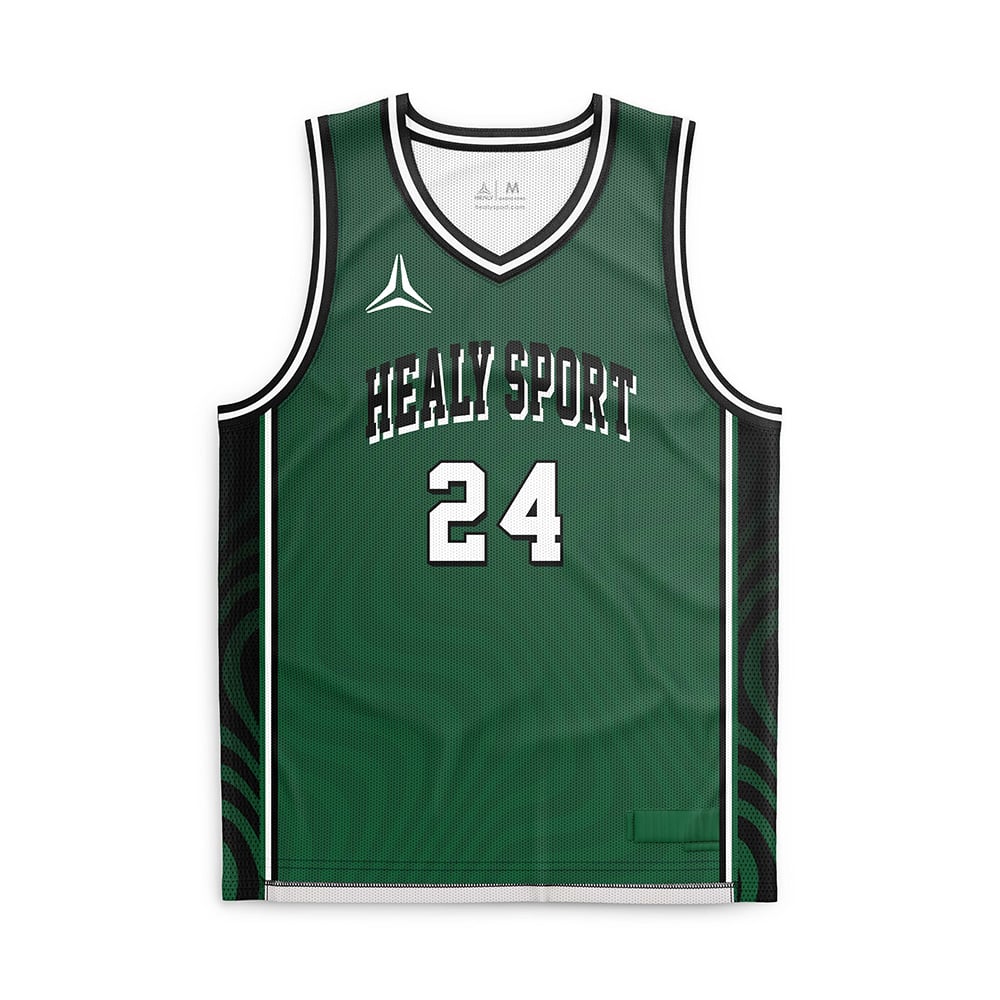
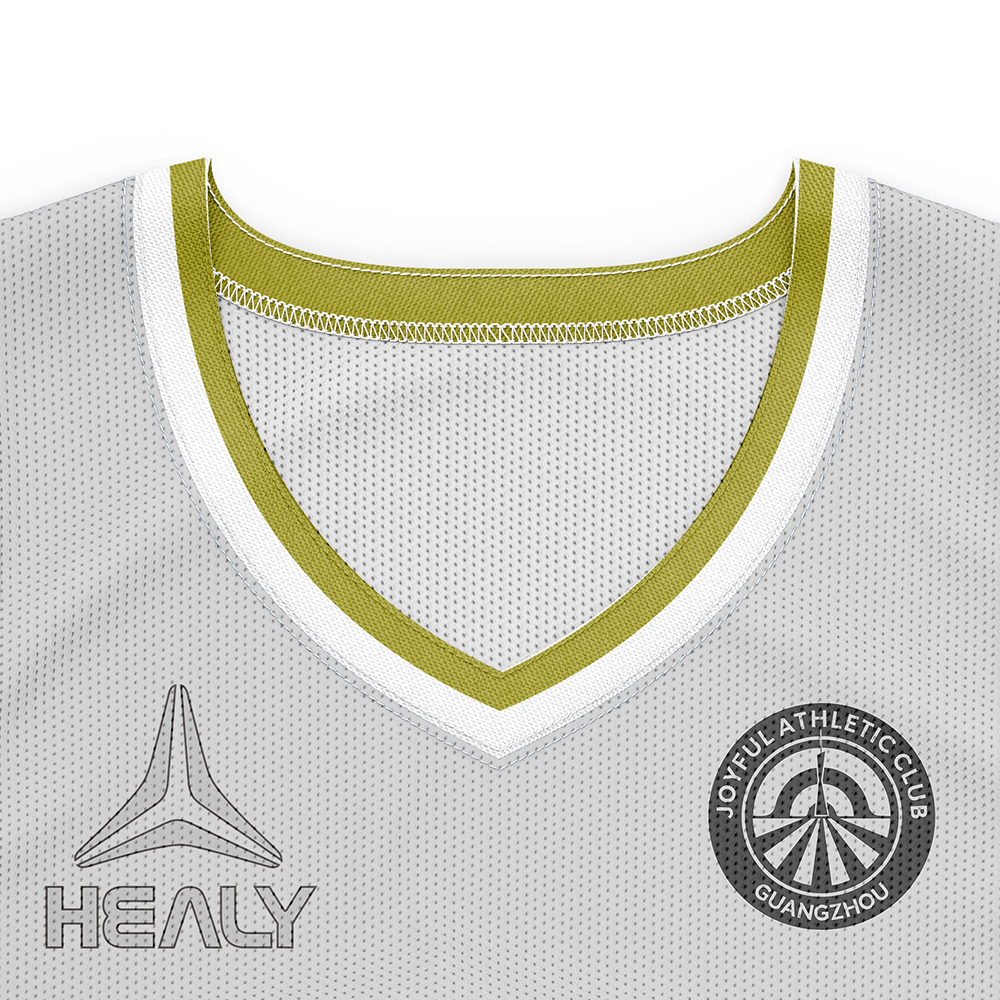
The final inspection stage is where the product meets the consumer’s expectation. For Sustainable Activewear, this goes beyond looking for loose threads. We conduct specific functional tests relevant to the sport. For example, custom side-split tennis skirts must undergo mobility tests to ensure the split design doesn’t compromise modesty or structural integrity during movement. Custom reversible basketball jerseys are checked for print alignment on both sides, a common issue with double-sided sublimation printing.
Crucially, FQC includes rigorous compliance verification based on the target market. If the goods are destined for Europe, we verify adherence to EU REACH regulations, ensuring no restricted substances exceed thresholds. For US markets, CPSIA lead and phthalate testing is mandatory, especially for children’s sizes in custom sports uniforms. We also perform microfiber shedding tests on synthetic fabrics. While not always legally required yet, it is becoming a best practice for premium Sustainable Activewear to demonstrate care for ocean health. Packaging is also inspected; FSC-certified polybags and hangtags must be present and correctly labeled with recycling instructions. This holistic FQC ensures that every unit shipped represents the brand’s commitment to quality and ethics.
A unique challenge in Sustainable Activewear is verifying "greenwashing." Suppliers may claim a fabric is 100% recycled, but lab analysis might reveal only 70%. To combat this, our checklist includes random sampling for isotopic analysis, which can distinguish between bio-based and petroleum-derived polymers. This scientific rigor adds a layer of trust that visual inspection cannot provide.
Moreover, we assess the durability of sustainable finishes. Water-repellent treatments on custom rugby jerseys must be PFC-free (perfluorocarbon-free). We test the hydrostatic head pressure to ensure water resistance without using toxic chemicals. If the coating wears off after two washes, the product fails the longevity criterion of sustainability. Therefore, wash-testing protocols are integrated into FQC, simulating 20+ cycles to predict lifespan. This proactive approach ensures that Sustainable Activewear lasts longer than fast-fashion alternatives, reducing overall waste.
To maintain objectivity, we employ a standardized Acceptable Quality Limit (AQL) system. For Sustainable Activewear, we typically use AQL 2.5 for major defects and 4.0 for minor ones. Major defects include broken zippers, incorrect GRS labeling, or significant color variance. Minor defects might include slight thread ends or packaging creases. Critical defects, such as failed safety tests or missing compliance certificates, result in automatic rejection of the batch.
We categorize defects by severity:
This structured approach removes subjectivity from QC decisions, ensuring consistent quality across batches of Sustainable Activewear.
On September 17, 2026, a prominent outdoor apparel brand in Toronto, Canada, faced a crisis with their new line of thermal base layers marketed as Sustainable Activewear. Initial bulk shipments showed inconsistent warmth retention and pilling issues after minimal wear. The brand hired Healy Sportswear’s QC team to audit the remaining inventory and future production.
Healy implemented a three-stage QC protocol. During IQC, they discovered that the supplier had mixed virgin polyester with rPET without disclosing the ratio, violating GRS terms. They immediately halted production and re-sourced certified materials. In IPQC, they introduced tensile strength testing for the knit structure, adjusting machine settings to improve fabric stability. Finally, in FQC, they conducted extensive wash tests to validate the durability of the eco-friendly thermal coating. The corrected batch passed all checks, including OEKO-TEX and REACH compliance. The brand was able to relaunch the collection with verified data, restoring consumer trust. This case highlights how a robust QC checklist transforms Sustainable Activewear from a risky venture into a reliable product line.
Quality control for Sustainable Activewear is not a single checkpoint but a continuous journey from fiber sourcing to final delivery. It demands a fusion of traditional textile engineering skills with modern environmental science knowledge. By implementing a comprehensive checklist that covers IQC, IPQC, and FQC, brands can ensure their eco-friendly claims are backed by tangible proof. This rigor protects the brand’s reputation, satisfies regulatory requirements, and delivers products that truly stand the test of time. In the evolving landscape of ethical fashion, meticulous quality control is the ultimate safeguard against greenwashing, ensuring that every piece of Sustainable Activewear honors its promise to the planet and the wearer.
23 September, 2026
Custom Basketball Jersey Printing Process: From Artwork to Finished Teamwear