EN

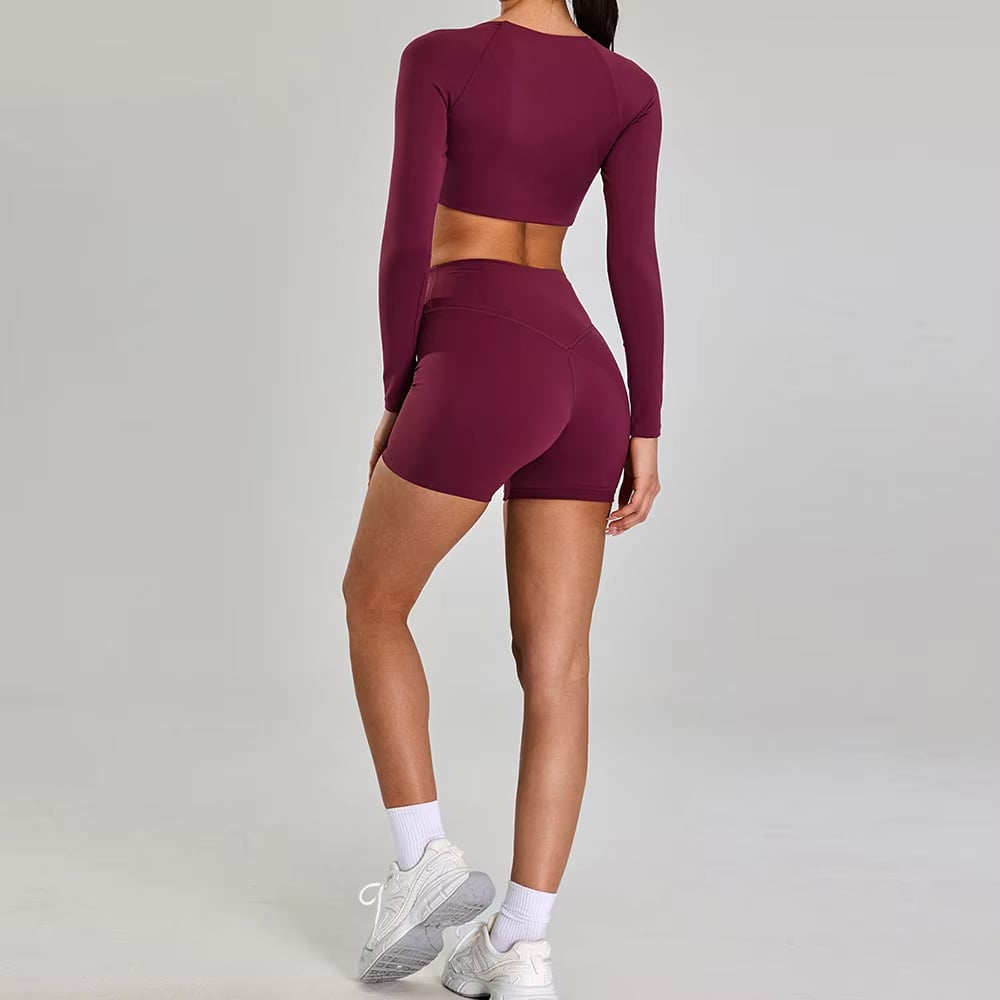
For procurement officers managing sports gear for clubs, schools, and community teams, the tracksuit is more than just apparel; it is a mobile billboard for institutional identity. Unlike individual jerseys, a tracksuit represents the collective spirit of an organization, worn during warm-ups, travel, and public appearances. Consequently, selecting the right activewear manufacture partner is a high-stakes decision that impacts budget efficiency, brand perception, and operational reliability. As someone who has navigated the supply chain landscape for over a decade, I have learned that not all suppliers are created equal. Many traditional factories treat small-to-medium orders as nuisances, leading to inconsistent quality, missed deadlines, and inflated costs. This article outlines the critical criteria for evaluating a superior activewear manufacture, focusing on material integrity, design execution, quality control systems, logistical agility, and long-term partnership value.
The "bottom line" of any tracksuit is its fabric. For teams that train daily or travel frequently, durability is non-negotiable. A poor-quality activewear manufacture may use lightweight, thin polyester to cut costs, resulting in garments that pill, tear, or lose shape after a few washes. Conversely, a reputable activewear manufacture sources technical fabrics engineered for longevity and comfort. Look for materials with high abrasion resistance, moisture-wicking capabilities, and color-fastness ratings compliant with international standards like OEKO-TEX or REACH regulations.
When vetting a potential activewear manufacture, request physical samples and third-party test reports. Does the supplier provide data on tensile strength and shrinkage rates? Healy Sportswear, for example, utilizes pre-approved, durable blends that maintain their structure through hundreds of cycles. A skilled activewear manufacture understands that a school’s budget must stretch across multiple seasons, so they prioritize value over volume, ensuring that every unit produced by this activewear manufacture delivers lasting performance. If a activewear manufacture cannot demonstrate consistent fabric sourcing, they pose a significant risk to your inventory stability.
A tracksuit is a canvas for branding. Whether it is a university crest, a club sponsor logo, or a team name, the visual presentation defines professionalism. Many low-cost activewear manufacture entities offer limited customization options, forcing clients to choose between sublimation printing (which can look flat) or embroidery (which can be bulky and expensive). A top-tier activewear manufacture provides versatile application methods tailored to the garment’s function. For instance, heat-transfer vinyl might be ideal for names and numbers on shorts, while 3D puff embroidery adds prestige to jacket collars.
Crucially, the design process must be seamless. A fragmented approach where the activewear manufacture lacks internal design support often leads to "design drift," where the final product deviates from the approved mockup. Healy addresses this by integrating design teams directly with production lines. Their activewear manufacture model ensures that complex logos, gradient colors, and custom patterns are reproduced with pixel-perfect accuracy. When choosing an activewear manufacture, assess their ability to handle intricate details without requiring you to hire external designers. A holistic activewear manufacture saves time and ensures brand consistency across all items, from beanies to track pants.
One of the most persistent complaints from buyers is the discrepancy between the sample and the bulk order. A sample provided by a questionable activewear manufacture may feature high-thread-count stitching and premium zippers, but the mass-produced units arrive with loose threads, misaligned seams, and inferior hardware. This inconsistency erodes trust and leads to costly returns. A reliable activewear manufacture implements a rigorous Quality Control (QC) system that spans the entire production lifecycle.
This includes incoming material inspection, in-line checks during sewing, and final random sampling based on AQL (Acceptable Quality Limit) standards. Does the activewear manufacture conduct destructive testing on seam strength? Do they verify zipper durability? Healy’s 16+ years of experience have refined a QC protocol that ensures batch-to-batch uniformity. By partnering with a disciplined activewear manufacture, schools and clubs can rest assured that the hundredth tracksuit matches the first. Furthermore, certifications such as CE, UKCA, and ASTM/CPSIA are indicators of a activewear manufacture’s commitment to safety and compliance, particularly important when purchasing for minors in educational settings.
Sports calendars are unforgiving. A school term begins on a fixed date, and tournament registrations close weeks in advance. Missing these windows due to delayed delivery can result in empty lockers and frustrated athletes. Traditional large-scale activewear manufacture operations often operate on rigid schedules, prioritizing massive corporate orders over smaller community requests. This lack of flexibility is a major pain point for clubs needing 50–200 units.
An agile activewear manufacture offers flexible Minimum Order Quantities (MOQs) and rapid turnaround times. Healy supports orders ranging from hundreds to thousands of dollars, allowing new teams to start small and scale up. Moreover, their integrated supply chain minimizes lead time variability. When evaluating an activewear manufacture, ask about their capacity for rush orders and restocking. Can they reproduce a specific item six months later without changing the fabric lot? A responsive activewear manufacture maintains detailed records of patterns and dye lots, ensuring that future orders match previous ones perfectly. This capability transforms the activewear manufacture from a vendor into a strategic logistics partner.
Finally, consider the philosophy of the activewear manufacture. Are they interested in a one-off sale, or do they view themselves as a business partner? The latter approach involves proactive communication, problem-solving, and a willingness to advise on cost-saving measures without compromising quality. Healy’s founder emphasizes an altruistic model where client success equals company success. This mindset distinguishes a transactional activewear manufacture from a collaborative one.
Long-term partnerships yield benefits such as priority production slots, better pricing tiers, and dedicated account management. A committed activewear manufacture will help you navigate regulatory changes, suggest sustainable packaging options (like FSC-certified boxes), and streamline your reordering process. In contrast, a short-sighted activewear manufacture may disappear when issues arise, leaving you to manage defects alone. Choosing a partner who values relationship building ensures that your institution’s needs are met consistently year after year.
To illustrate these principles, consider the case of a youth football league in Manchester, UK. On September 11, 2026, the league faced a crisis. They had secured sponsorship funding late, requiring 300 full tracksuit kits for ten teams within three weeks before the season opener. Previous quotes from local activewear manufacture vendors ranged from six to eight weeks, citing capacity constraints and fabric shortages.
Healy Sportswear stepped in. Leveraging their flexible MOQ policy, they accepted the mid-sized order without imposing prohibitive setup fees. Their internal design team finalized the kit layouts, including sponsor logos and player names, within 48 hours. Using pre-stocked, REACH-compliant fabrics, they bypassed typical procurement delays. The activewear manufacture process was monitored via real-time updates, and the goods were shipped via expedited air freight, arriving exactly two days before registration day. The kits featured consistent sizing, vibrant sublimation prints, and durable stitching that withstood the muddy pitches of Northern England. This success story highlights how a responsive activewear manufacture can save a season through agility and precision.
Selecting the right activewear manufacture for clubs, schools, and teams requires a shift in perspective. It is not merely about finding the lowest price per unit; it is about securing a partner who guarantees material quality, executes design vision faithfully, maintains strict quality control, and delivers on time. The market is flooded with generic suppliers, but only a specialized activewear manufacture possesses the infrastructure and expertise to handle the nuances of team apparel.
Healy Sportswear exemplifies the ideal partner, combining 16+ years of industry knowledge with a customer-centric approach. Their ability to cover 14 sports categories under one roof eliminates the coordination headaches associated with multi-vendor sourcing. By offering flexible ordering options and reliable delivery, they empower institutions to focus on what matters: developing athletes and fostering community spirit. Ultimately, the quality of your team’s gear reflects the professionalism of your organization. Choose an activewear manufacture that shares your commitment to excellence, and ensure that every member of your team wears their pride with confidence.
23 September, 2026
Custom Basketball Jersey Printing Process: From Artwork to Finished Teamwear