EN

In the intricate ecosystem of global sportswear sourcing, pricing is often perceived as a black box. As a Product Operations Manager with over a decade of experience navigating supply chains for major athletic brands, I have witnessed countless companies struggle to balance cost efficiency with product quality. The core challenge lies not in finding the cheapest tracksuit manufacturer, but in understanding why costs fluctuate across different parameters. Many brands fall into the trap of "false economy," where they cut corners on critical components like fabric safety or seam integrity, only to face skyrocketing return rates and reputational damage. Conversely, others overspend on unnecessary premium finishes that do not enhance performance. To achieve sustainable margins, brands must master the interplay between process optimization, volume leverage, hidden cost management, and strict adherence to quality red lines. This requires a strategic partnership with a knowledgeable tracksuit manufacturer who can illuminate these dynamics rather than obscuring them.
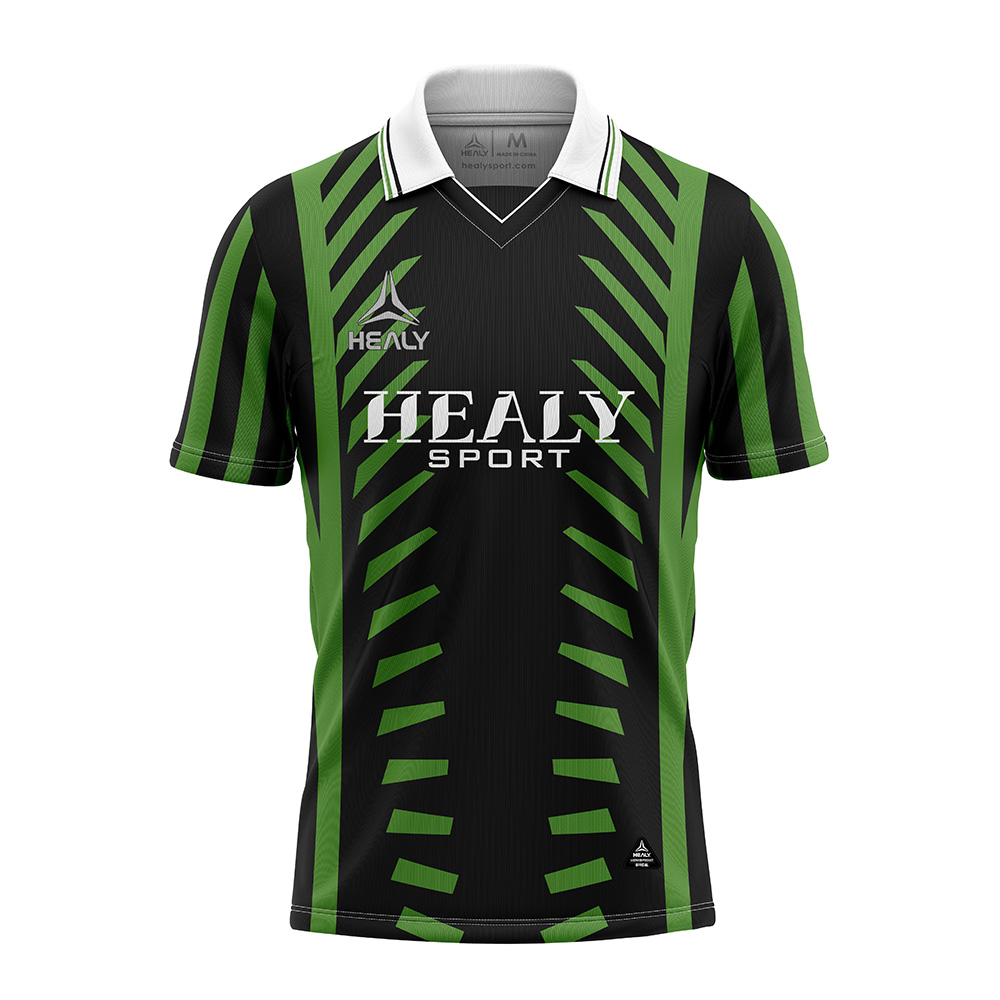
One of the most significant drivers of cost variation is the selection of decoration techniques. A novice brand might request embroidered logos for every SKU, assuming it adds prestige. However, an experienced tracksuit manufacturer knows that embroidery is labor-intensive and priced by stitch count, which can inflate unit costs by 15–20% compared to sublimation or screen printing. For high-volume items like custom soccer warm up tracksuits supplier orders, sublimation printing is often the optimal choice. It allows for all-over designs without additional setup fees per color and integrates seamlessly into the fabric structure, eliminating cracking issues associated with vinyl transfers.
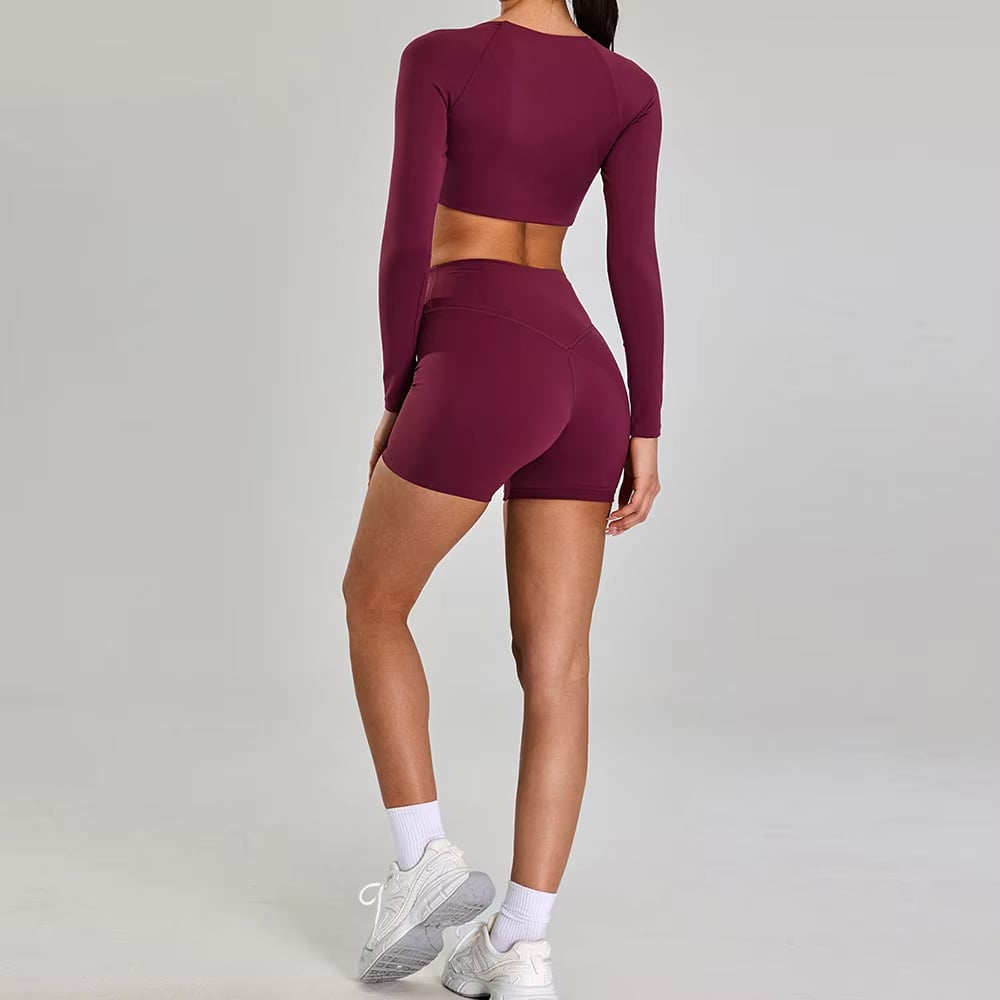
Conversely, for durable team gear such as those produced by a durable lacrosse jerseys manufacturer, reinforced stitching and heavy-duty appliqués may be necessary despite higher labor costs. A skilled tracksuit manufacturer advises on the right technique for the right application. For instance, when producing custom yoga wear supplier collections, laser-cut ventilation holes are preferred over mesh panels because they reduce sewing steps while maintaining aesthetic cleanliness. Misjudging this alignment leads to wasted budget. By leveraging the expertise of a specialized tracksuit manufacturer, brands can avoid the pitfall of using expensive processes for low-impact features or cheap processes that fail under stress. Healy Sportswear’s integrated design-production model ensures that every decorative element serves a functional purpose, optimizing the cost-to-value ratio from the initial sketch phase.
Quantity directly impacts unit price through economies of scale, but traditional models penalize startups with high Minimum Order Quantities (MOQs). A standard tracksuit manufacturer might require 500+ units to amortize fixed costs like pattern making and machine setup. This forces small brands to tie up capital in excess inventory, increasing storage and markdown risks. Modern partners like Healy address this by offering flexible MOQs starting at 50 sets. While the per-unit cost for small batches is naturally higher due to setup inefficiencies, the ability to test market response without massive financial risk often yields better net profitability.
For larger orders, the negotiation power shifts. When scaling up production of custom hoodies manufacturer items, bulk purchasing of trims (zippers, drawstrings) and optimized cutting layouts significantly reduce material waste. A transparent tracksuit manufacturer provides tiered pricing structures, showing exactly how much savings are unlocked at 100, 500, and 1,000 units. This transparency allows brands to plan their cash flow effectively. Furthermore, consolidating orders across multiple SKUs—such as pairing custom baseball windbreaker jackets with matching pants—allows the tracksuit manufacturer to streamline production runs, further driving down costs. Understanding these volume thresholds is crucial for effective negotiation with any prospective tracksuit manufacturer.
Lead time is a silent cost killer. Last-minute changes or delayed approvals often result in expedited shipping fees and overtime labor charges. A disorganized tracksuit manufacturer may lack standardized workflows, leading to unpredictable delays. In contrast, a disciplined partner establishes clear milestones for sampling and mass production. Healy, for example, completes custom samples within 7–10 working days, allowing brands to validate fit and function before committing to bulk orders. This reliability minimizes the need for costly air freight replacements later in the season.
When planning seasonal launches, such as winter gear including custom hockey training jacket lines, early engagement with your tracksuit manufacturer is vital. Booking production slots during off-peak seasons can secure better rates and priority handling. Brands must recognize that speed comes at a premium; however, poor planning exacerbates this cost exponentially. A reliable tracksuit manufacturer communicates potential bottlenecks proactively, enabling brands to adjust timelines and avoid last-minute surcharges. Consistency in lead times also builds trust with retailers, reducing the likelihood of penalties for late deliveries.
Initial quotes often exclude ancillary costs that accumulate rapidly. Pattern-making fees, sample charges, lab testing for compliance, and packaging customization are frequently overlooked. A vague quote from a generic tracksuit manufacturer may appear attractive until these extras are added, inflating the total landed cost by 10–15%. Transparency is key. A professional tracksuit manufacturer breaks down every component: fabric, labor, decoration, trims, packaging, and logistics. They also clarify payment terms, such as FOB Guangzhou pricing with 30% deposit and balance upon shipment inspection.
Compliance testing is another area where hidden costs lurk. Ensuring products meet CE, UKCA, ASTM/CPSIA, REACH, and FSC standards involves laboratory expenses. Non-compliant goods risk seizure or recalls, which are far more expensive than preventive testing. A compliant tracksuit manufacturer integrates these checks into the production workflow, absorbing some costs into overhead while clearly stating others. Brands should demand itemized invoices to track these expenditures. Ignoring hidden costs leads to budget overruns and erodes profit margins. Working with a tracksuit manufacturer that prioritizes financial clarity helps brands forecast accurately and manage cash flow efficiently.
Perhaps the most dangerous misconception is that cost reduction should apply uniformly across all aspects of production. There are specific areas where saving money compromises safety and durability, known as "quality red lines." These include fabric chemical safety (REACH compliance), seam strength in high-stress areas, and accurate sizing consistency. For example, using uncertified dyes in custom stretchable wrestling shorts may save cents per yard but poses health risks and regulatory violations. Similarly, skimping on thread quality in custom hockey sweatpants manufacturer products leads to premature tearing, resulting in high return rates that negate any initial savings.
A reputable tracksuit manufacturer explicitly defines these non-negotiables. They advise against cutting corners on structural integrity or safety certifications. Healy’s 16-year history has established rigorous quality control protocols that identify these red lines early. By refusing to compromise on critical elements, the tracksuit manufacturer protects the brand’s reputation. Brands must listen to this guidance. Attempting to force a tracksuit manufacturer to lower prices below viable quality levels results in defective goods. The true cost of poor quality includes returns, customer service complaints, and lost future sales. Therefore, identifying which elements are essential and which are optional is a critical skill in managing relationships with any tracksuit manufacturer.
Finally, cost variance is influenced by the level of supply chain integration. Fragmented suppliers—where fabric, printing, and sewing are outsourced separately—introduce handoff errors and double margins. An integrated tracksuit manufacturer controls the entire pipeline, from raw material sourcing to final packaging. This vertical integration reduces waste, improves communication, and stabilizes pricing. For example, producing custom sports clothing under one roof allows for real-time adjustments if a trim shortage occurs, preventing production halts.
Brands seeking long-term stability should prioritize partners with robust internal capabilities. A siloed tracksuit manufacturer cannot offer the same predictability or value engineering opportunities as an integrated one. The ability to optimize cross-functionally—such as adjusting a pattern to minimize fabric waste—is a hallmark of a mature tracksuit manufacturer. This holistic view ensures that cost savings are systemic rather than superficial.
To illustrate these principles, consider the case of a sports retailer in Toronto, Canada. On September 15, 2026, the company faced a severe budget overrun on their new winter collection. Their previous supplier had provided a low initial quote for custom hoodies manufacturer services but failed to account for the high cost of heavyweight fleece and complex embroidered logos. When the bulk order arrived, the actual landed cost was 25% higher than projected due to hidden setup fees, expensive air freight for rushed delivery, and rework costs for misaligned prints.
Healy Sportswear intervened as their emergency tracksuit manufacturer. They conducted a thorough cost audit, identifying that switching from heavy embroidery to sublimated prints for the side stripes could reduce labor time by 20%. They consolidated trim orders to achieve bulk discounts on zippers and drawstrings. Crucially, Healy’s transparent FOB Guangzhou pricing included all compliance certifications (REACH, OEKO-TEX) upfront, eliminating surprise charges. By adjusting the order quantity to meet tiered pricing thresholds and optimizing the fabric weight to match climate needs without excess, the retailer achieved a 15% reduction in total landed cost. The goods were delivered on schedule, avoiding rush fees. This success underscores how a collaborative relationship with a knowledgeable tracksuit manufacturer transforms cost management from a reactive burden into a strategic advantage.
Understanding why tracksuit manufacturing costs vary is the first step toward profitable sourcing. It requires looking beyond the headline price to analyze process efficiency, volume leverage, timeline discipline, and quality boundaries. A generic tracksuit manufacturer offers a number; a strategic tracksuit manufacturer offers insight.
Healy Sportswear exemplifies this approach, providing clear cost breakdowns and flexible terms tailored to diverse sports categories. Whether you need a custom soccer warm up tracksuits supplier or a specialist in durable lacrosse jerseys manufacturer solutions, the key is to demand visibility into every cost component. By engaging early with your tracksuit manufacturer, you can engineer costs out of the design process rather than cutting corners after production begins. In the competitive world of custom activewear, informed decision-making driven by a trusted tracksuit manufacturer ensures that your brand delivers value to customers while protecting its bottom line.
23 September, 2026
Custom Basketball Jersey Printing Process: From Artwork to Finished Teamwear