EN

As a wholesale buyer who has navigated the turbulent waters of global sportswear distribution for over a decade, I have learned that inventory risk is the silent killer of margins. The difference between a profitable season and a warehouse full of dead stock often lies in selecting the right styles for the right customer segments. Many wholesalers struggle because they treat all buyers as one homogeneous group, failing to recognize that a university athletic department, a boutique fitness studio, and a local soccer club have vastly different aesthetic preferences, budget constraints, and functional needs. Without a systematic framework for selection, wholesalers rely on gut feeling, leading to misaligned purchases. To succeed, one must partner with a sophisticated tracksuit manufacturer who not only produces garments but also provides data-driven insights into market trends. This article dissects the best-selling tracksuit styles across four key customer groups—clubs, schools, fitness brands, and general wholesalers—and explores how cross-segment trends, fabric technology, and seasonal adaptation influence purchasing decisions. Understanding these dynamics allows you to leverage your relationship with a strategic tracksuit manufacturer to optimize inventory turnover and maximize profitability.
For sports clubs, particularly in contact or high-intensity disciplines, the primary drivers are durability, team cohesion, and cost-efficiency per unit. When sourcing from a custom hockey training jacket supplier or a durable lacrosse jerseys manufacturer, club managers prioritize gear that withstands rigorous use while maintaining brand visibility. The most popular style remains the classic two-piece zip-up tracksuit, featuring reinforced stitching at stress points like shoulders and knees. Unlike fashion-forward items, club uniforms favor solid block colors with contrasting piping to enhance player recognition on the field. A reliable tracksuit manufacturer will recommend heavy-weight polyester blends (280–320 GSM) that resist abrasion and maintain shape after repeated washing. For winter leagues, insulated fleece-lined variants are essential. When working with a specialized tracksuit manufacturer, ensure they offer bulk customization options, such as sublimated player numbers and embroidered crests, which add prestige without significantly increasing labor costs. Clubs often place large orders, so negotiating tiered pricing with your tracksuit manufacturer is crucial for maintaining competitive retail prices. Furthermore, compliance with safety standards like CE and UKCA certifications is non-negotiable for youth clubs, making the regulatory expertise of your tracksuit manufacturer a key value-add.
Educational institutions require apparel that bridges the gap between athletic performance and casual campus wear. Students want gear they can wear to class as well as practice. Consequently, the "athleisure" hybrid style dominates this segment. A leading custom hoodies manufacturer offering pullover hoodies paired with tapered joggers sees high demand among school buyers. These pieces feature softer hand-feels, brushed interiors, and minimalist branding compared to traditional team kits. When collaborating with a versatile tracksuit manufacturer, focus on colorways that align with school spirit colors but utilize modern cuts, such as dropped shoulders or cropped silhouettes. Functionality is still important; moisture-wicking capabilities are expected even in casual styles. A smart tracksuit manufacturer will suggest technical fabrics that look like cotton but perform like synthetics, satisfying both comfort and utility needs. Bulk ordering for entire student bodies requires strict size consistency, a challenge where an experienced tracksuit manufacturer excels by implementing rigorous QC protocols. Additionally, sustainability is becoming a deciding factor for many universities; partnering with a tracksuit manufacturer that offers GRS-certified recycled materials can help win contracts with eco-conscious educational institutions.
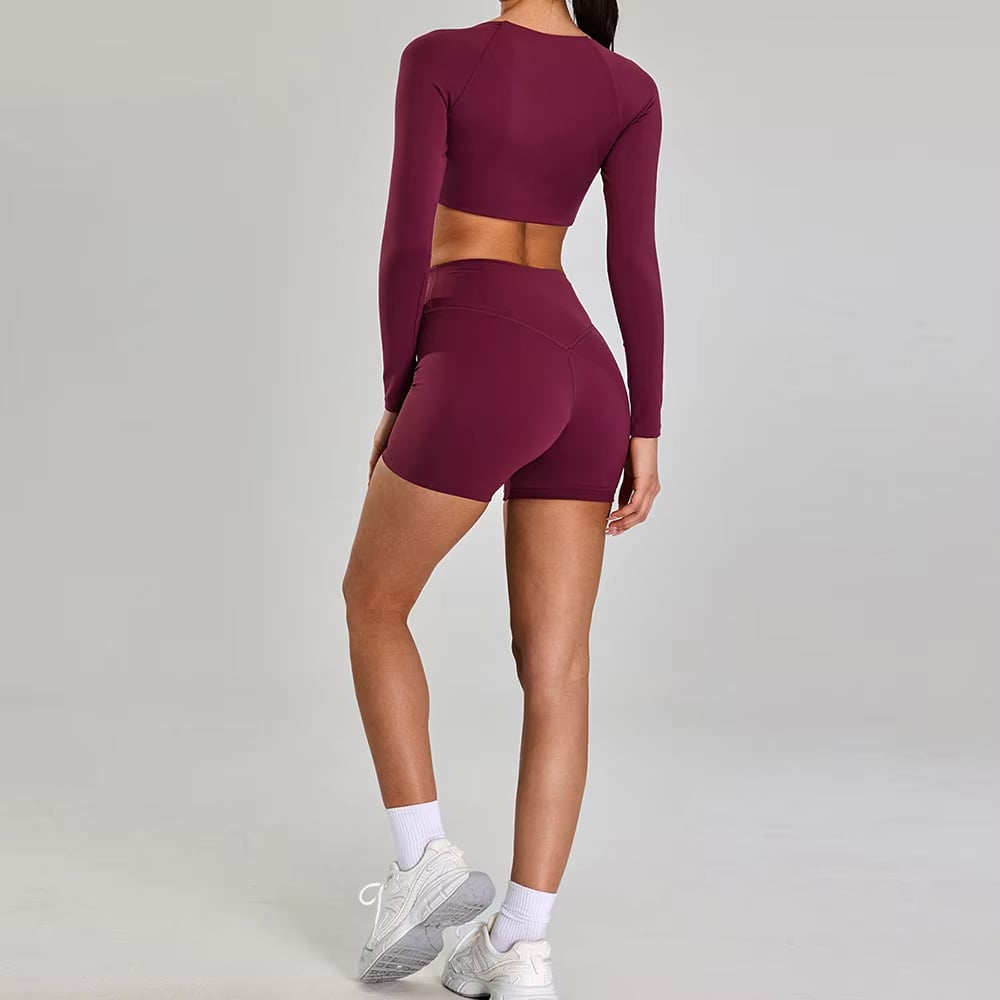
Boutique fitness studios and emerging activewear brands operate on trend sensitivity and community building. Their customers demand stylish, Instagram-worthy designs that also deliver high-performance results. Here, the custom yoga wear supplier model prevails, with seamless sets, high-waisted leggings, and lightweight windbreakers being top sellers. Unlike clubs, fitness brands prefer limited-edition drops and unique color palettes. A forward-thinking tracksuit manufacturer acts as a design consultant, advising on current trends such as earth tones, pastel gradients, or bold geometric prints. Fabrics must be squat-proof, breathable, and quick-drying. When sourcing from a custom baseball windbreaker jacket provider, look for ultralight materials with laser-cut ventilation for maximum breathability during HIIT sessions. Fitness brands often start with smaller quantities to test market response, making flexible MOQs from a supportive tracksuit manufacturer indispensable. Healy’s ability to support low minimum order quantities allows these brands to experiment with new styles without massive financial risk. Moreover, premium finishing touches, such as custom rubberized labels or branded zipper pulls, differentiate products in a crowded market, showcasing the value-added services a specialized tracksuit manufacturer can provide.
General wholesalers serve diverse retail channels, requiring a balanced portfolio of high-volume basics and niche specialties. The goal here is turnover speed. Classic crewneck sweatshirts and simple track pants remain staples due to their broad appeal. However, savvy wholesalers diversify into specific niches like custom stretchable wrestling shorts or custom shorts manufacturer lines for summer seasons. A reliable tracksuit manufacturer helps wholesalers anticipate seasonal shifts, recommending early production of lightweight mesh jerseys for spring/summer and thermal layers for autumn/winter. Efficiency is key; wholesalers need consistent lead times to plan logistics. A transparent tracksuit manufacturer provides real-time tracking of production status, ensuring that goods arrive before peak sales periods. Cost control is paramount, so working with a tracksuit manufacturer that optimizes cutting layouts to reduce fabric waste directly impacts the wholesaler’s bottom line. By leveraging the scale and efficiency of a mature tracksuit manufacturer, wholesalers can maintain healthy margins while offering competitive prices to retailers.
Despite distinct needs, several trends unite these segments. First, sustainability is no longer optional; consumers across all groups prefer eco-friendly materials. Second, the rise of digital sampling through 3D visualization allows faster iteration cycles, reducing time-to-market. Third, comfort remains king; regardless of the sport, buyers reject stiff, itchy fabrics in favor of soft, flexible textiles. A modern tracksuit manufacturer integrates these commonalities into every product line. For instance, using REACH-compliant dyes ensures safety for both school children and professional athletes. Adopting FSC-certified packaging appeals to environmentally conscious buyers in all sectors. Recognizing these shared values helps wholesalers communicate a unified brand story, supported by the ethical practices of their chosen tracksuit manufacturer.
To avoid overstocking or understocking, adopt a data-driven selection framework. Analyze past sales data to identify core SKUs versus experimental styles. Allocate 70% of budget to proven performers (e.g., basic custom soccer warm up tracksuits supplier kits) and 30% to trending innovations (e.g., new fabric technologies). Collaborate closely with your tracksuit manufacturer to understand material lead times and potential shortages. Use small batch orders to test new designs before committing to large volumes. A responsive tracksuit manufacturer facilitates this agile approach, allowing rapid reorders of best-sellers. Regularly review competitor offerings and consumer feedback to adjust your mix. Remember, the right tracksuit manufacturer provides not just products, but intelligence—trends, fabric innovations, and production efficiencies that empower smarter buying decisions.
Consider the case of a major sporting goods distributor in Toronto, Canada. On September 16, 2026, facing unpredictable weather patterns and shifting consumer preferences, the company struggled with excess inventory of heavy fleece jackets while lacking lighter transitional layers. They partnered with Healy Sportswear as their strategic tracksuit manufacturer. Healy analyzed their sales data and recommended a shift toward modular layering systems: lightweight base layers, mid-layer vests, and packable outer shells. They utilized 3D digital sampling to validate fit and aesthetics quickly, reducing development time by 40%. With a low MOQ of 50 units per style, the distributor tested three new colorways in the fall market before scaling up successful ones. The result was a 25% reduction in unsold inventory and a 15% increase in sell-through rates for the winter collection. This success highlights how a proactive tracksuit manufacturer can transform inventory management from a liability into a competitive advantage.
Selecting the best tracksuit styles requires deep understanding of each customer segment’s unique demands. Whether serving clubs needing durability, schools seeking versatility, fitness brands chasing trends, or wholesalers focusing on volume, the common thread is the quality and reliability of the supply chain. A generic supplier cannot meet these nuanced needs; only a specialized tracksuit manufacturer with broad category experience and agile production capabilities can. By choosing a partner like Healy, who combines trend insight with operational excellence, wholesalers can navigate market volatility with confidence. Ultimately, the strength of your business depends on the strength of your partnership with your tracksuit manufacturer. Invest in relationships that prioritize transparency, flexibility, and innovation, and you will secure a position at the forefront of the sportswear industry.
23 September, 2026
Custom Basketball Jersey Printing Process: From Artwork to Finished Teamwear