EN

As a Procurement Director responsible for outfitting diverse athletic programs, I have witnessed a significant shift in what schools and clubs value. For decades, the priority was simply durability and low cost. However, today’s stakeholders—parents, donors, students, and community leaders—are demanding more. They want gear that reflects their institution’s unique identity, aligns with their ethical values, and performs at a professional level. The challenge lies in balancing these high expectations with limited budgets and rigid timelines. Many institutions struggle to find suppliers who can deliver Sustainable Activewear without imposing prohibitive minimum order quantities (MOQs) or sacrificing quality. This article explores how custom Sustainable Activewear serves as a strategic tool for differentiation, education, and operational efficiency, helping clubs and schools stand out in an increasingly competitive landscape.
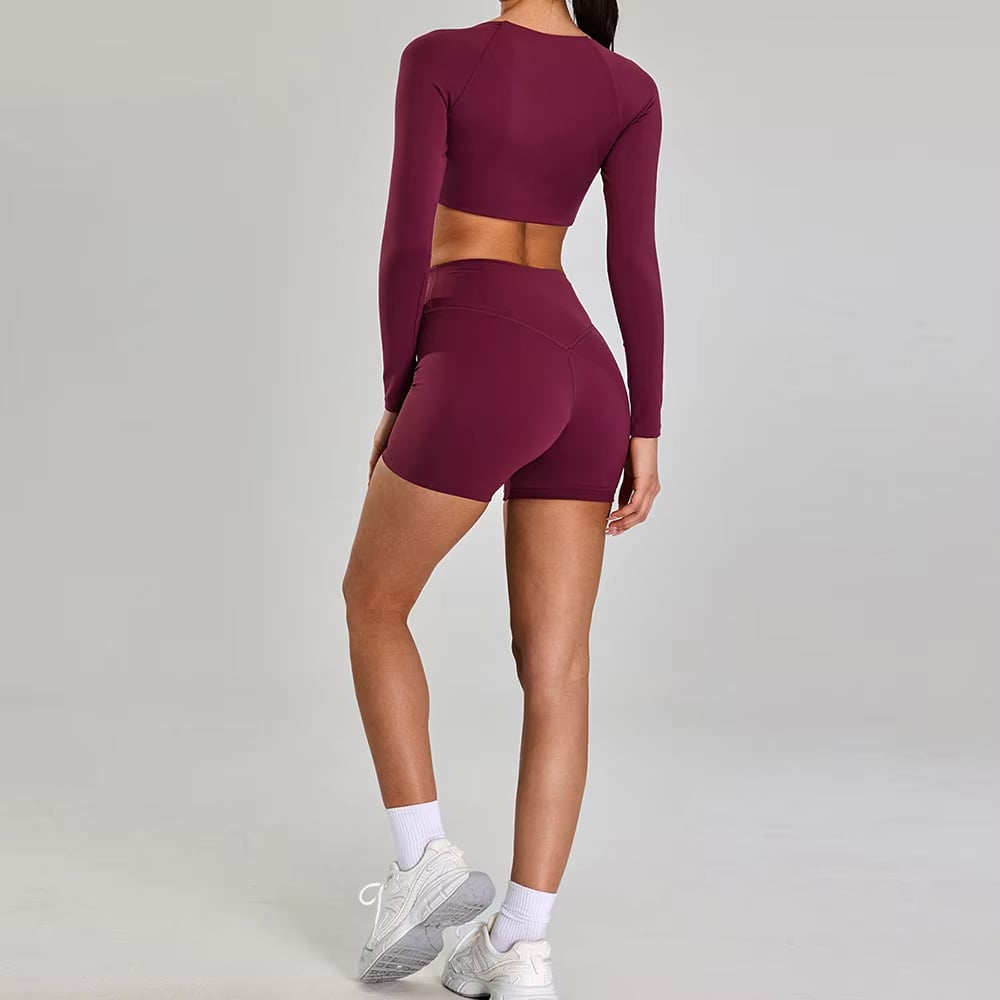
The most immediate impact of custom Sustainable Activewear is visual differentiation. In regional tournaments, it is not uncommon to see five teams wearing identical generic kits from major brands, creating a confusing "sea of sameness." This lack of distinction dilutes team pride and makes branding difficult for sponsors. By investing in custom designs, schools create a cohesive visual language that reinforces belonging. For instance, when designing custom sublimated cheerleading uniforms, we move beyond standard color blocks to incorporate intricate patterns that reflect school spirit mascots or local heritage. Similarly, custom stretch cheerleading crop tops can be tailored with specific necklines and sleeve lengths that suit the choreography style, ensuring the athletes look and feel unified.
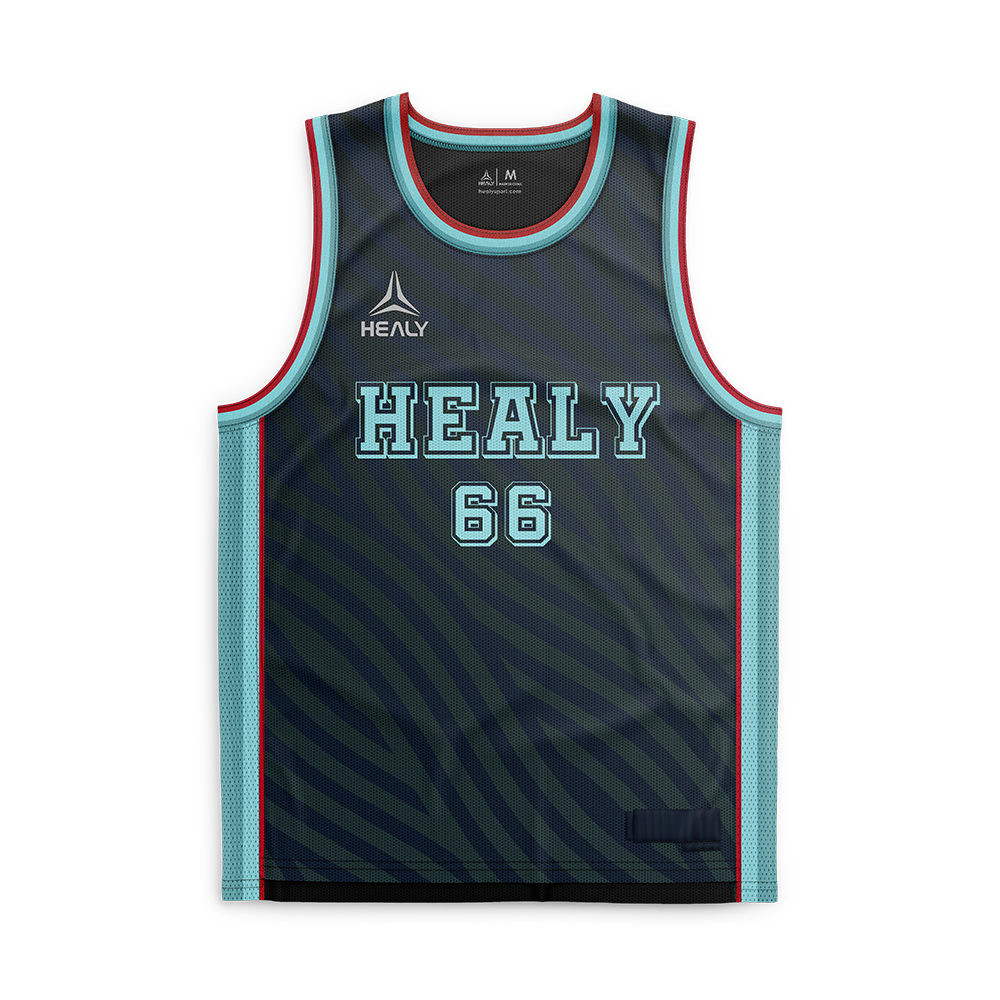
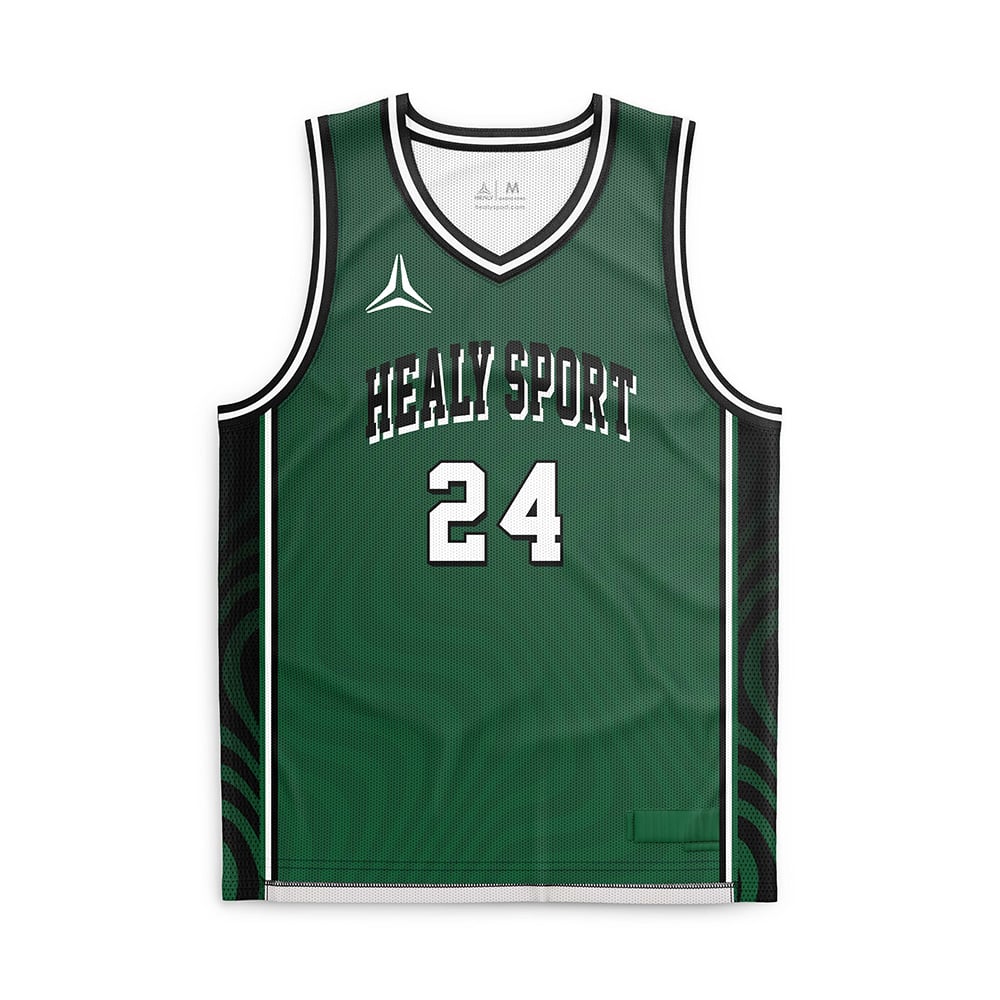
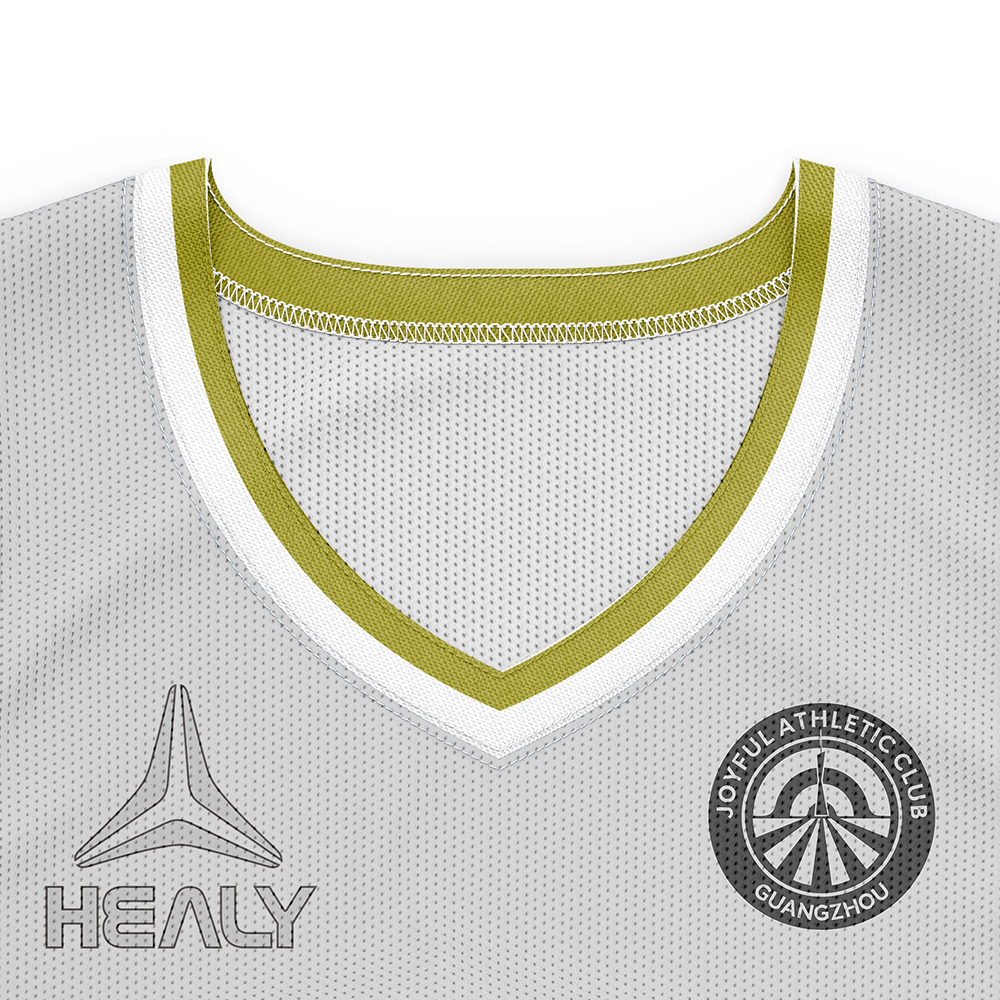
This attention to detail extends to all sports. Custom rugby jerseys allow for reinforced shoulder panels that not only enhance durability but also provide a canvas for bold, team-specific graphics. For basketball, custom reversible basketball jerseys offer dual-color options, maximizing utility while maintaining a sleek aesthetic. Even in individual sports like tennis, custom side-split tennis skirts can be customized with school crests and signature colors, turning functional gear into a statement of identity. When every piece of Sustainable Activewear carries the team’s unique DNA, it fosters a stronger sense of community among players and fans alike.
Beyond aesthetics, Sustainable Activewear offers profound educational opportunities. Schools are institutions of learning, and the gear students wear can serve as a tangible lesson in environmental stewardship. By choosing materials like GRS-certified recycled polyester (rPET) or ECONYL® regenerated nylon, educators can demonstrate real-world applications of sustainability science. We often pair these products with hangtags featuring QR codes that link to a digital passport, showing the journey of the plastic bottle or fishing net that became the student’s shirt.
This transparency transforms procurement into pedagogy. When parents ask why we chose a slightly higher price point for custom stretch yoga joggers made from organic cotton blends, we can explain the water savings and chemical-free farming practices involved. It turns a purchase decision into a conversation about responsibility. Furthermore, using custom reinforced goalie pants made from durable, recyclable materials teaches young athletes about equipment care and longevity, combating the throwaway culture. Integrating Sustainable Activewear into the curriculum through sports programs helps cultivate a generation of conscious consumers who understand the impact of their choices.
A common misconception among procurement officers is that custom Sustainable Activewear is exclusively for wealthy private schools or elite clubs. Historically, this was true due to high MOQs imposed by traditional manufacturers, often requiring 500–1,000 units per design. This excluded smaller clubs, intramural teams, and specialized groups like esports or niche martial arts. However, the rise of flexible manufacturing partners has democratized access to premium gear.
Healy Sportswear, for example, supports MOQs as low as 50 sets, allowing small soccer academies or university club teams to afford professional-grade custom sports uniforms. This flexibility enables institutions to allocate budgets more efficiently. Instead of buying bulk generic items that may sit unused, schools can order precise quantities for active rosters. Moreover, the durability of high-quality Sustainable Activewear reduces replacement frequency. A well-made custom raglan sleeve baseball tee lasts longer than a cheap alternative, offering better long-term value despite a higher initial unit cost. By leveraging tiered pricing models and avoiding hidden fees, procurement teams can achieve cost predictability and maximize the return on investment for every dollar spent on Sustainable Activewear.
Schools and large clubs often manage diverse athletic programs, each with distinct technical requirements. A one-size-fits-all supplier rarely meets these needs. Football requires abrasion resistance; swimming demands chlorine tolerance; golf needs moisture management and stretch. Finding a single partner capable of handling this complexity is crucial for administrative efficiency.
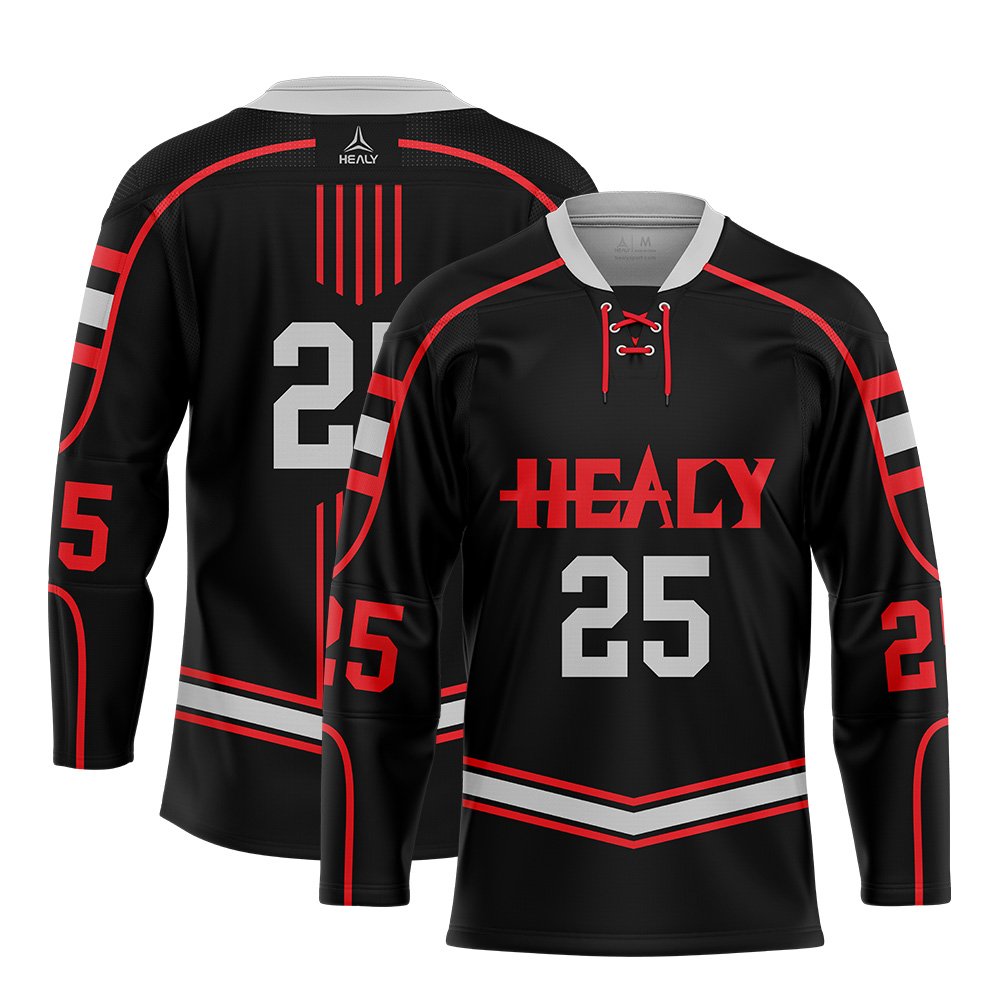
Advanced providers offer a comprehensive matrix of Sustainable Activewear solutions tailored to specific sports. For golfers, custom stretch golf pants utilize four-way stretch fabrics with UV protection, essential for outdoor play. For lacrosse or field hockey, protective gear must balance safety with breathability. By working with a specialist who understands the biomechanics of different sports, procurement directors ensure that athletes perform optimally. This expertise prevents costly mistakes, such as selecting a fabric that fades quickly under sunlight or tears during intense grappling. A unified supply chain for multiple sports simplifies ordering, tracking, and compliance, reducing the administrative burden on staff.
In sports, timing is everything. Missing a championship game because uniforms haven’t arrived is a logistical nightmare that damages reputation and morale. Traditional supply chains are often opaque, with no visibility into production status until the final shipment. Reliable partners mitigate this risk through digital tracking systems and proven lead times.
When planning for seasonal launches, such as the autumn term starting in September 2026, early engagement with a responsive manufacturer is key. Healy’s ability to complete custom samples within 7–10 days allows for rapid iteration and approval. Their mass production timelines are consistently met, ensuring that custom sublimated cheerleading uniforms arrive before competition season begins. This reliability is backed by certifications like CE, UKCA, ASTM/CPSIA, REACH, and FSC, which guarantee that goods pass customs inspections without delay. Knowing that your Sustainable Activewear will arrive on time allows coaches to focus on training rather than logistics.
On September 17, 2026, the North York Youth Soccer League in Toronto, Canada, faced a crisis. Their budget had been cut by 15%, yet they needed to upgrade kits for six new teams ahead of the fall tournament. Previous suppliers quoted high MOQs for sustainable options, forcing them toward cheap, non-recyclable polyester that faded after two washes.
They partnered with Healy Sportswear to implement a new strategy. Healy proposed a modular design system using GRS-certified rPET fabrics, allowing for shared base patterns with unique team accents. This reduced setup costs. With an MOQ of just 50 sets per team, the league could outfit smaller squads without overstocking. The process included 3D digital previews for parent approval, speeding up sign-offs. Crucially, Healy provided full compliance documentation, reassuring the board about safety standards. The kits arrived two weeks before the tournament, boosting player confidence. Post-season surveys showed a 40% increase in family satisfaction regarding the quality and eco-credentials of the gear. This case demonstrates how accessible Sustainable Activewear can drive both community pride and operational success.
For schools and clubs, Sustainable Activewear is no longer a luxury; it is a strategic imperative. It builds identity, educates the next generation, respects budgets, and ensures performance. By choosing partners who offer customization, transparency, and flexibility, procurement leaders can transform their athletic departments into models of excellence and ethics.
23 September, 2026
Custom Basketball Jersey Printing Process: From Artwork to Finished Teamwear