EN

As the Director of Athletics for a large school district that manages varsity teams, junior high clubs, and elementary youth leagues, I have learned that uniform procurement is not merely a logistical task; it is a critical component of student-athlete welfare and institutional identity. For years, our department struggled with a fragmented supply chain that failed to address the unique needs of our diverse populations. We faced persistent issues: female athletes wearing ill-fitting men’s cuts, youth players outgrowing jerseys mid-season, and inconsistent branding across different grade levels. These challenges were compounded by opaque pricing structures that made budget approvals difficult and minimum order quantities (MOQs) that excluded smaller clubs. To resolve these systemic inefficiencies, we had to rethink our approach to Basketball Jersey sourcing. This article outlines a comprehensive strategy for customizing uniforms that respects the biomechanics of women, supports the growth of children, adheres to strict school budgets, and maintains a cohesive visual brand across all levels of competition.
One of the most glaring failures in traditional sportswear manufacturing is the assumption that a "small" adult jersey fits a woman. In reality, female anatomy requires distinct pattern engineering. Standard Basketball Jerseys are cut on straight side seams with wide shoulder drops, which causes excess fabric to bunch at the waist while pulling tightly across the chest and shoulders during movement. This not only compromises comfort but also restricts range of motion, affecting shooting mechanics and defensive stance.
To address this, we implemented a solution based on independent pattern drafting for women’s teams. This involves narrowing the shoulder slope, adjusting the armhole depth to prevent chafing under bra straps, and incorporating a tapered waistline that accommodates hip curvature without being restrictive. When testing these new cuts, our varsity players reported a significant improvement in confidence and mobility. Furthermore, for younger girls transitioning from youth to high school programs, maintaining this ergonomic consistency is vital. By ensuring that every Sustainable Activewear item designed for females reflects true anatomical differences, schools can promote inclusivity and performance equity. Healy Sportswear’s ability to provide specialized women’s blocks ensures that no female athlete has to compromise her physical comfort for the sake of compliance.
Youth basketball presents a unique sizing challenge due to rapid physical development. A child who wears a size 8Y today may need a 10Y or even an XS adult size within six months. Traditional suppliers often create a "size cliff," where youth sizes end abruptly, forcing parents to buy expensive adult gear prematurely or leaving gaps in inventory. Moreover, many vendors charge premiums for larger youth sizes or fail to stock them consistently.
Our solution involved establishing a seamless size continuum from 4Y (preschool/early elementary) through 5XL (adult). This system eliminates the awkward transition period between youth and adult categories. Crucially, we adopted a policy of zero surcharges for extended sizes, ensuring that larger students are not financially penalized for their body type. This inclusive approach aligns with modern educational values of equity and accessibility. Additionally, for growing children, durability is key. We selected fabrics with reinforced stitching and colorfast dyes to withstand frequent washing and active play. By providing full-size coverage without hidden costs, we simplified the ordering process for parents and reduced administrative burden for coaches. Every Basketball Jersey ordered through this unified system guarantees that a player’s fit remains consistent regardless of age group, fostering a sense of belonging within the broader athletic community.
For public institutions, budget approval is a rigorous process requiring detailed cost breakdowns. Vague quotes that bundle design fees, printing setup charges, and personalization costs into a single line item are often rejected by finance departments. Hidden fees such as "large size surcharges" or "individual name printing fees" can inflate the actual cost per unit by 20-30%, leading to unexpected deficits.
We transitioned to a transparent pricing model that itemizes every component: fabric cost, labor, printing technology, and logistics. By utilizing dye-sublimation technology, we eliminated screen setup fees, allowing for unlimited colors and complex designs without additional costs. Personalization—adding names and numbers—was integrated into the base price, removing per-unit add-ons. This clarity enabled us to present precise forecasts to the school board, securing faster approval for multi-year contracts. Furthermore, flexible MOQs allowed us to support small niche sports or newly formed clubs without forcing bulk purchases of unused inventory. This financial agility ensured that every team, regardless of size, received professional-grade Basketball Jerseys within strict fiscal guidelines.
A common issue in school districts is visual fragmentation. Different teams (e.g., JV vs. Varsity, Boys vs. Girls, Elementary vs. High School) often source uniforms independently, resulting in mismatched fonts, inconsistent logo placements, and varying color shades. This lack of cohesion dilutes school spirit and confuses spectators.
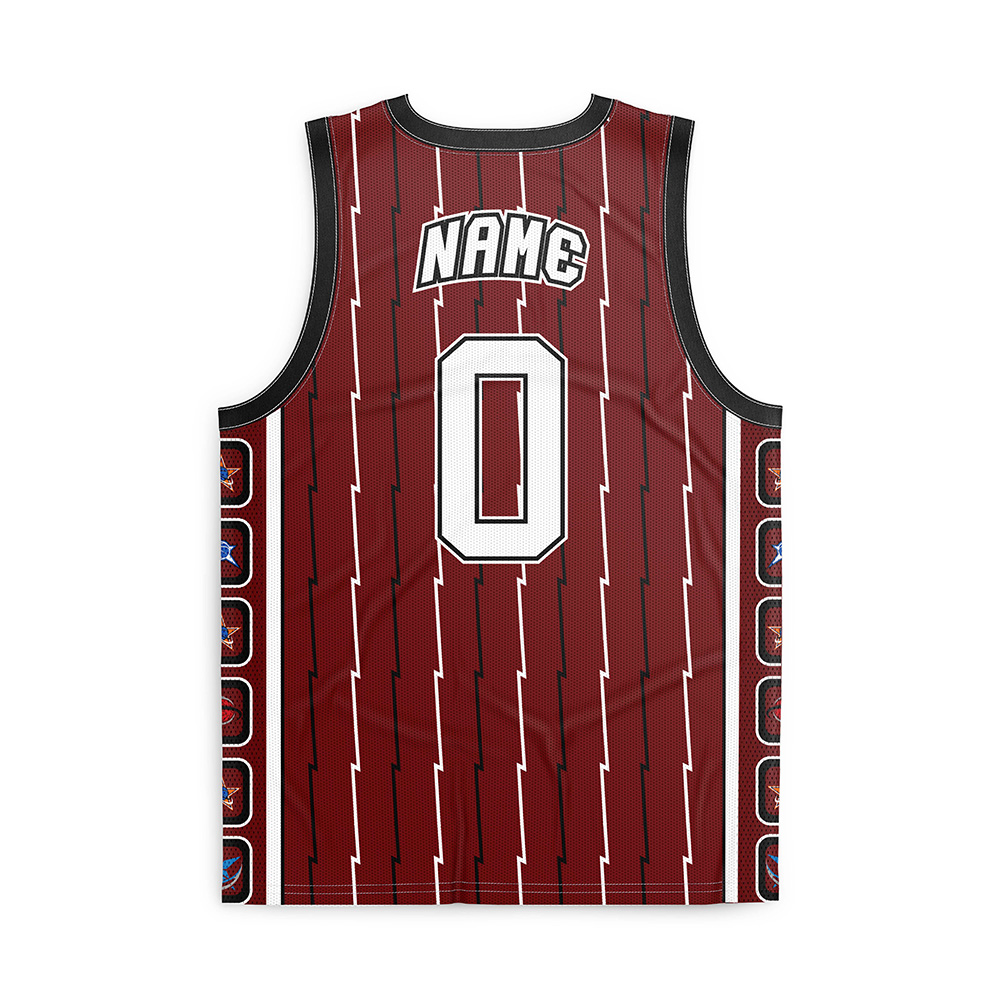
To combat this, we developed a centralized Brand Visual System. This guide dictates specific typography, logo proportions, and color palettes (using Pantone references) for all Basketball Jersey orders. Whether a fourth-grader receives a mini-jersey or a senior wears a varsity kit, the visual language remains identical. This standardization was achieved by working with a single supplier capable of managing multiple sub-brands under one umbrella. The result was a powerful, recognizable athletic identity that strengthened alumni connections and enhanced media presentation. Consistency in design also simplifies reordering, as replacements match perfectly with existing stock. This holistic approach to branding ensures that every piece of Sustainable Activewear reinforces the institution’s prestige and unity.
Finally, the quality of the fabric itself cannot be overlooked. Low-cost options often use thin, translucent polyester that tears easily and retains odors. For student-athletes, hygiene and durability are paramount. We mandated the use of GRS-certified recycled polyester with a weight of 160-180 GSM, ensuring opacity and moisture-wicking capabilities. All materials complied with safety standards including CE, UKCA, ASTM/CPSIA, FSC, and REACH, guaranteeing they were free from harmful chemicals. Rigorous quality control checks prevented defects like peeling prints or loose threads before shipment. This commitment to material integrity meant that our Basketball Jerseys lasted through entire seasons, reducing replacement frequency and long-term costs.
On September 17, 2026, a major school district in Toronto, Canada, launched a pilot program to unify its athletic apparel procurement. Previously, each of its twelve high schools ordered Basketball Jerseys separately, leading to inconsistent quality and inflated costs. The district partnered with Healy Sportswear to implement a centralized solution.
Healy’s team first conducted a fit analysis, introducing women-specific patterns that resolved long-standing complaints about shoulder slippage and waist looseness among female athletes. They established a continuous size chart from 4Y to 5XL, eliminating the need for separate youth and adult inventories. Pricing was restructured to include all personalization and extended sizes without extra fees, satisfying the district’s finance committee. A unified brand guide was created, standardizing logos and colors across all schools. The initial order included trial samples for try-on sessions, achieving a 98% fit accuracy rate upon delivery. The program resulted in a 15% reduction in overall apparel spending and significantly improved student satisfaction. This case demonstrates how strategic planning and specialized manufacturing can transform uniform procurement from a headache into a tool for empowerment and efficiency.
Customizing Basketball Jerseys for women, youth, and schools requires more than just applying a logo to a shirt. It demands a deep understanding of physiological differences, developmental stages, financial constraints, and brand psychology. By prioritizing ergonomic fit, size continuity, cost transparency, and visual unity, educational institutions can create an environment where every athlete feels valued and supported. Partnering with a provider that offers end-to-end solutions—from design consultation to certified sustainable production—is essential for achieving these goals. Ultimately, a well-designed uniform is not just clothing; it is a statement of respect for the individual and pride in the collective.
23 September, 2026
Custom Basketball Jersey Printing Process: From Artwork to Finished Teamwear