EN

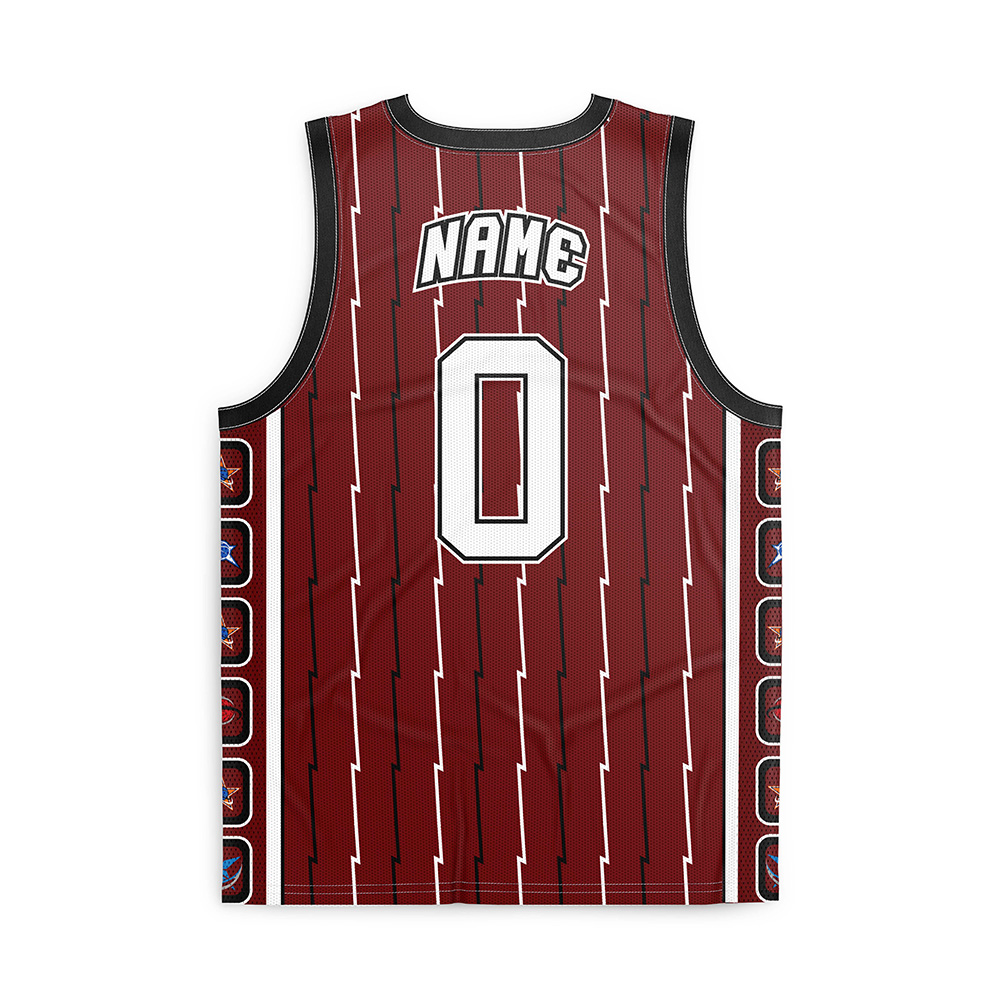
As the Director of Operations for a regional sports league that hosts over fifty teams annually, I have learned that the success of a tournament often hinges on logistical precision rather than just athletic talent. One of the most critical yet frequently underestimated aspects of event management is the procurement of custom Basketball Jerseys. Many organizers and team managers operate under the assumption that ordering uniforms is a simple transaction: submit a design, pay the fee, and receive the goods. However, when dealing with competitive tournaments and regional events, this simplistic view leads to chaos. Teams arrive at venues with non-compliant kits, colors clash during matches, or worse, jerseys are still in transit while the opening whistle blows. To ensure a seamless experience for players, referees, and spectators, one must adopt a strategic planning framework that integrates reverse-engineered timelines, strict regulatory compliance, comprehensive sizing protocols, dual-colorway systems, and robust contingency plans. This guide details how to effectively plan custom Basketball Jersey orders to meet the high demands of organized competition.
The first step in successful order planning is establishing a rigid timeline based on the event date, not the desired delivery date. In traditional manufacturing models, lead times can range from 15 to 30 days, but these estimates rarely account for design revisions, sampling approvals, or shipping delays. For tournament organizers, relying on standard lead times is a gamble that often results in missed deadlines. Instead, we recommend a "reverse scheduling" approach. If the tournament starts on November 1st, the final shipment should ideally arrive by October 20th to allow for distribution and emergency replacements. This means production must be completed by October 15th, requiring an order confirmation by September 25th. Consequently, the design phase must conclude by mid-September, meaning initial concepts need to be submitted by early September.
This granular breakdown prevents the common pitfall of "last-minute rush," which invariably leads to errors. By locking in each milestone—design approval, sample receipt, bulk production start, and shipping dispatch—organizers maintain control over the process. Healy Sportswear assists clients in creating these detailed project calendars, ensuring that every stage of the Basketball Jersey creation process aligns perfectly with the event schedule. This proactive approach transforms jersey procurement from a reactive scramble into a predictable, managed workflow.
A frequent source of frustration in regional competitions is the disqualification of teams due to non-compliant uniforms. Each league has specific regulations regarding number size, placement, color contrast, and prohibited elements such as religious symbols or political slogans. Ignoring these rules until after production begins is a costly mistake. Therefore, compliance verification must occur before any artwork is finalized. Organizers should obtain the official rulebook for the specific tournament and cross-reference it with the proposed designs. Key checks include ensuring player numbers are at least six inches tall on the front and eight inches on the back, verifying that no two teammates wear the same number, and confirming that primary colors do not conflict with other participating teams.
Moreover, safety standards are paramount, especially for youth leagues. All materials must adhere to international certifications such as CE, UKCA, ASTM/CPSIA, FSC, and REACH. These certifications guarantee that the fabrics are free from harmful chemicals and safe for prolonged skin contact. When sourcing Sustainable Activewear, it is essential to request documentation proving that the recycled polyester used in the Basketball Jersey meets GRS (Global Recycled Standard) criteria. A knowledgeable supplier will integrate these compliance checks into their design review process, flagging potential issues early. By prioritizing regulatory adherence, teams avoid the embarrassment of being barred from competition due to administrative oversights.
Managing player data is arguably the most complex aspect of bulk ordering. Errors in roster lists, duplicate numbers, or incorrect sizing can disrupt team dynamics and cause significant delays. To mitigate these risks, organizers should implement a centralized data collection system well before the order deadline. Instead of relying on email threads, use digital forms that validate entries in real-time, preventing duplicate names or invalid sizes. Additionally, always order extra inventory beyond the active roster. A general rule of thumb is to add 10-15% spare units to cover unexpected injuries, last-minute roster additions, or lost items.
Sizing accuracy is another critical factor. Standard charts vary between manufacturers, leading to high return rates if not handled carefully. Providing physical samples for try-on sessions is highly recommended. This allows players to assess fit and comfort firsthand, reducing the likelihood of exchanges after delivery. Healy Sportswear offers full-size coverage from XS to 5XL and supports trial sample services, helping teams achieve a near-zero error rate. Furthermore, ensuring unique numbering across the entire league, not just within individual teams, prevents confusion among referees and scorekeepers. Proper data hygiene ensures that every Basketball Jersey fits its intended wearer and adheres to league-wide identification standards.
In competitive basketball, visual distinction is vital for fair play. Referees strictly enforce rules against similar-colored uniforms, forcing teams to change mid-game if clashes occur. To prevent this disruption, every serious team should invest in a complete set of home and away Basketball Jerseys. Planning for dual colorways requires a cohesive design strategy that maintains brand identity while offering distinct visual separation. Typically, home teams wear lighter colors (white or cream), while away teams wear darker hues (black, navy, or red). However, some leagues mandate specific color assignments, so checking local regulations is essential.
Designing both sets simultaneously ensures consistency in graphics, fonts, and sponsor placements. It also optimizes production costs, as printing two batches together often yields better economies of scale than separate orders. When selecting colors, consider contrast ratios to ensure readability of numbers and names. Poorly chosen combinations can hinder gameplay visibility. By preparing for both scenarios, teams demonstrate professionalism and readiness, contributing to a smoother tournament flow. Integrated suppliers like Healy facilitate this by allowing multi-colorway orders within a single purchase order, streamlining logistics and budget management for custom Basketball Jersey collections.
Budget constraints often force compromises, but smart allocation can maximize value without sacrificing quality. The choice of printing technology significantly impacts cost and durability. Dye-sublimation is the preferred method for tournament gear because it produces permanent, vibrant prints that withstand repeated washing and intense physical activity. Unlike heat-transfer vinyl, which can peel or crack, sublimated ink becomes part of the fabric. While the upfront cost per unit may appear higher than basic screen printing, the longevity and aesthetic appeal justify the investment. Additionally, sublimation allows for unlimited colors and complex gradients without additional setup fees, making it ideal for intricate team logos and sponsor layouts.
Organizers should also anticipate hidden costs. Ensure quotes include all personalization fees, such as adding player names and numbers, which should be zero-cost with integrated sublimation processes. Verify whether large-size surcharges apply; reputable suppliers absorb these costs to support inclusivity. By understanding the total cost of ownership, including replacement frequencies and maintenance, teams can allocate budgets more effectively. Investing in high-quality Sustainable Activewear reduces long-term expenses associated with premature wear and tear, ensuring that the Basketball Jersey investment pays dividends throughout multiple seasons.
Even with perfect planning, external factors like weather delays or customs holdups can threaten delivery schedules. Therefore, building buffer time into the logistics plan is crucial. Opt for reliable carriers with tracking capabilities and insurance options. For international orders, account for potential customs inspections and duty payments in advance. Communicate clearly with suppliers about shipping methods, choosing air freight for urgent needs despite higher costs, or sea freight for planned bulk orders.
Equally important is having an emergency response plan. Identify local suppliers who can produce small batches rapidly in case of catastrophic loss or damage during transit. Keep a digital archive of approved artwork files to facilitate quick re-orders if necessary. Regular communication with the manufacturer regarding progress updates helps identify bottlenecks early. Healy’s transparent tracking system provides real-time visibility into production status, allowing organizers to intervene proactively if timelines slip. This level of oversight minimizes anxiety and ensures that teams are equipped and ready for game day.
On September 17, 2026, the Toronto Regional Youth Basketball Association faced a critical challenge. With only six weeks remaining until the championship finals, they needed to outfit twelve new teams with compliant, durable, and visually distinct uniforms. Previous attempts had resulted in sizing errors and delayed deliveries. They partnered with Healy Sportswear to implement a structured planning protocol.
Healy’s team created a reverse-schedule, setting hard deadlines for design submission and approval. They reviewed the league’s strict uniform code, adjusting number sizes and color contrasts to ensure full compliance. Digital rosters were collected via secure forms, and trial samples were sent to key captains for fit validation. Healy designed coordinated home and away sets for each team, utilizing GRS-certified recycled polyester for sustainability. The entire production run was tracked online, with weekly updates provided to the association. The goods arrived ten days before the tournament, with less than 2% sizing adjustments required. The smooth execution allowed the focus to remain on the games, earning praise from parents and officials alike. This case highlights how disciplined planning transforms jersey procurement from a liability into a strategic asset.
Planning custom Basketball Jersey orders for tournaments requires meticulous attention to detail across multiple dimensions: timing, compliance, data management, design strategy, budgeting, and logistics. By adopting a proactive, structured approach, organizers can eliminate common pitfalls and ensure that every player steps onto the court in gear that reflects professionalism and preparedness. Partnering with experienced manufacturers who offer transparency and flexibility is key to achieving these outcomes. Ultimately, a well-planned uniform program enhances the overall quality of the sporting event, fostering pride among participants and excitement among fans.
23 September, 2026
Custom Basketball Jersey Printing Process: From Artwork to Finished Teamwear