EN

In the realm of custom sportswear, the method used to apply branding is as critical as the fabric itself. As a Product Development Manager who has overseen thousands of production runs for global brands, I have learned that there is no single "best" application method. Instead, success lies in selecting the right technique for the specific combination of fabric type, design complexity, order volume, and athletic function. Many brands fall into the trap of choosing a tracksuit manufacturer based solely on price, only to discover later that their chosen process fails under stress—whether it’s embroidery popping off during intense movement or screen printing cracking after a few washes. The difference between a premium product and a disposable one often rests on the technical expertise of the tracksuit manufacturer. This guide provides a systematic framework for evaluating Embroidery, Screen Printing, and Heat Transfer, helping you partner with a tracksuit manufacturer who can deliver optimal results.
To make informed decisions, one must understand the mechanics and limitations of each primary decoration method. A skilled tracksuit manufacturer will explain these nuances clearly, rather than pushing a default option.
Choosing the right process requires balancing several factors. A strategic tracksuit manufacturer uses a decision matrix to guide clients.
Different sports impose different physical stresses on decorations. A versatile tracksuit manufacturer tailors processes to these demands.
For Team Sports (Rugby, Football): Durability is paramount. Embroidered crests combined with sublimated player numbers are the standard recommended by top-tier tracksuit manufacturer partners. Screen printing is avoided on high-friction zones like shoulders. Healy Sportswear, covering 14 categories, advises clients on these specifics, ensuring their tracksuit manufacturer output withstands muddy pitches and aggressive play.
For Fitness & Gym Wear: Aesthetics and comfort drive choices. Minimalist embroidered logos paired with sublimated patterns provide a sleek look. Heavy screen prints can cause chafing. An expert tracksuit manufacturer will suggest laser-cut ventilation holes instead of printed vents to maintain breathability.
For Outdoor Running: Visibility is key. Reflective heat-transfer tape applied by a safety-compliant tracksuit manufacturer ensures night-time visibility without adding bulk. Sublimation allows for bright, high-contrast colors that enhance safety.
The most common mistake is viewing these methods as mutually exclusive. The best solutions often combine techniques. A sophisticated tracksuit manufacturer proposes hybrid approaches to balance cost, quality, and aesthetics.
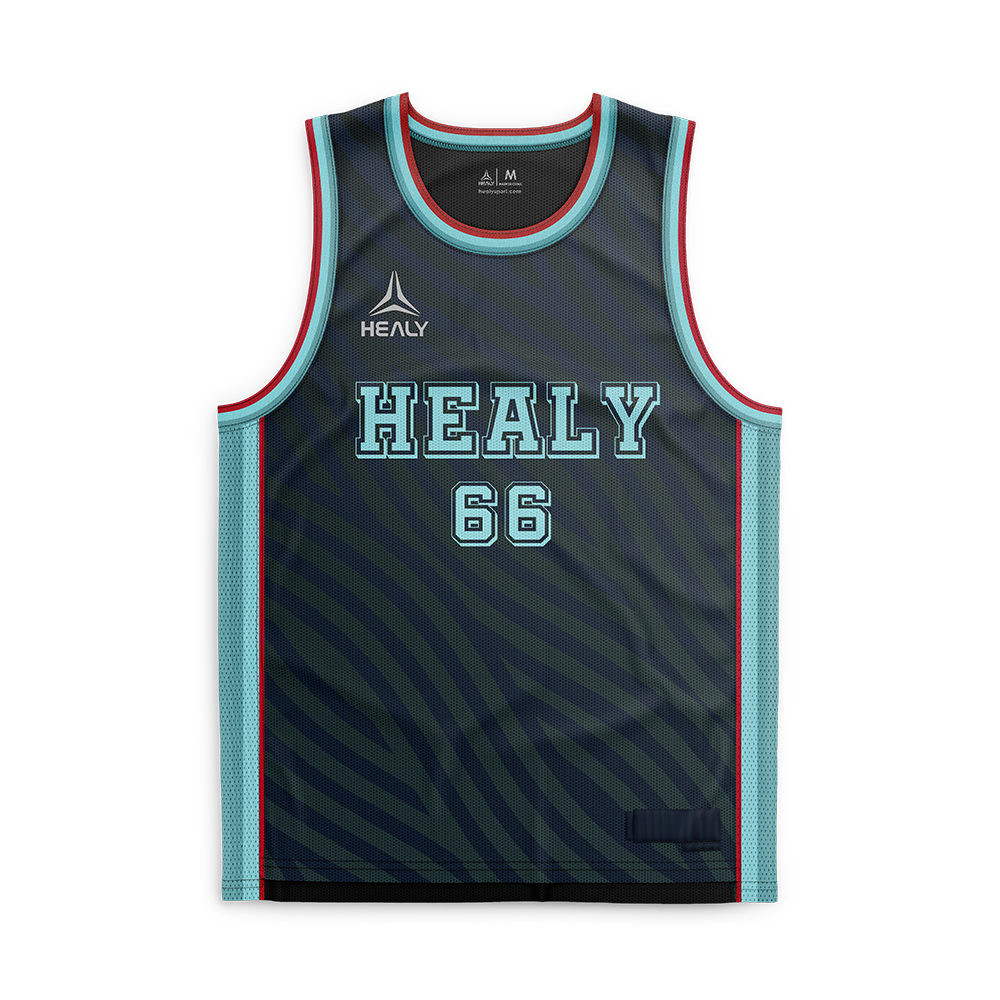
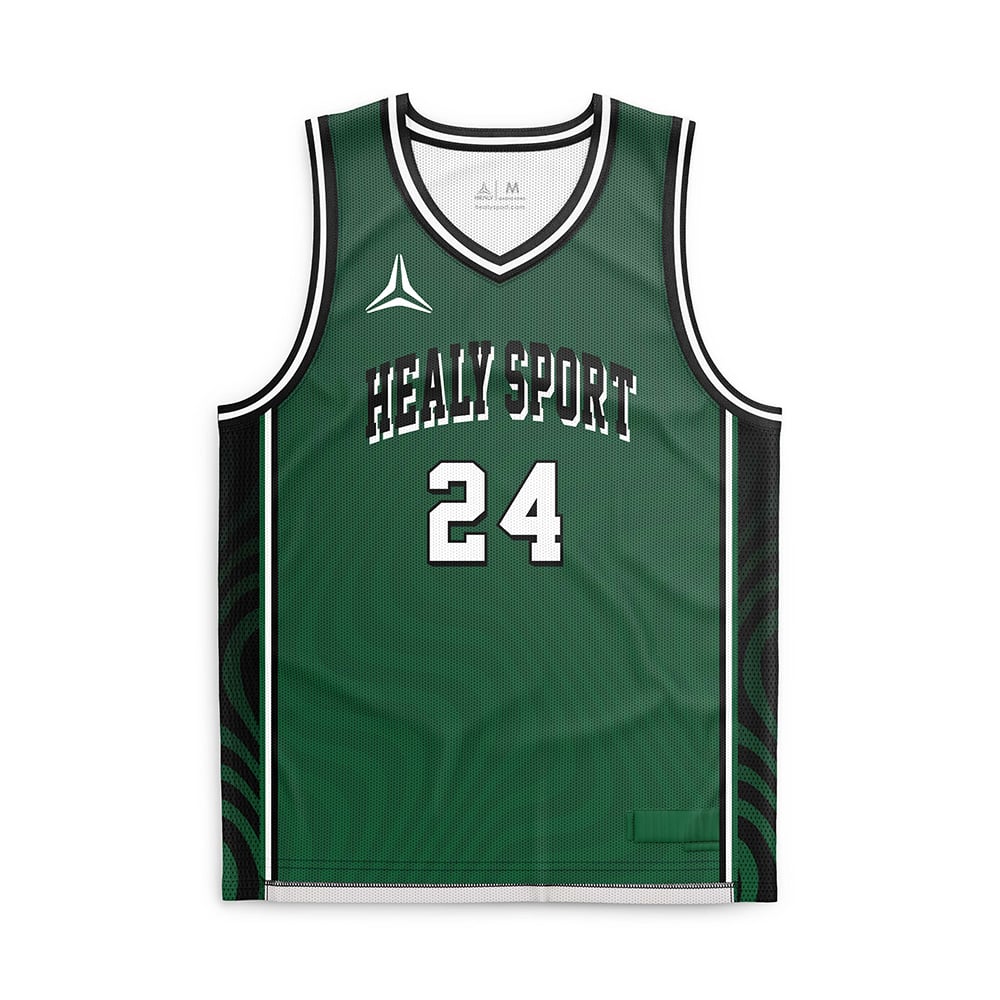
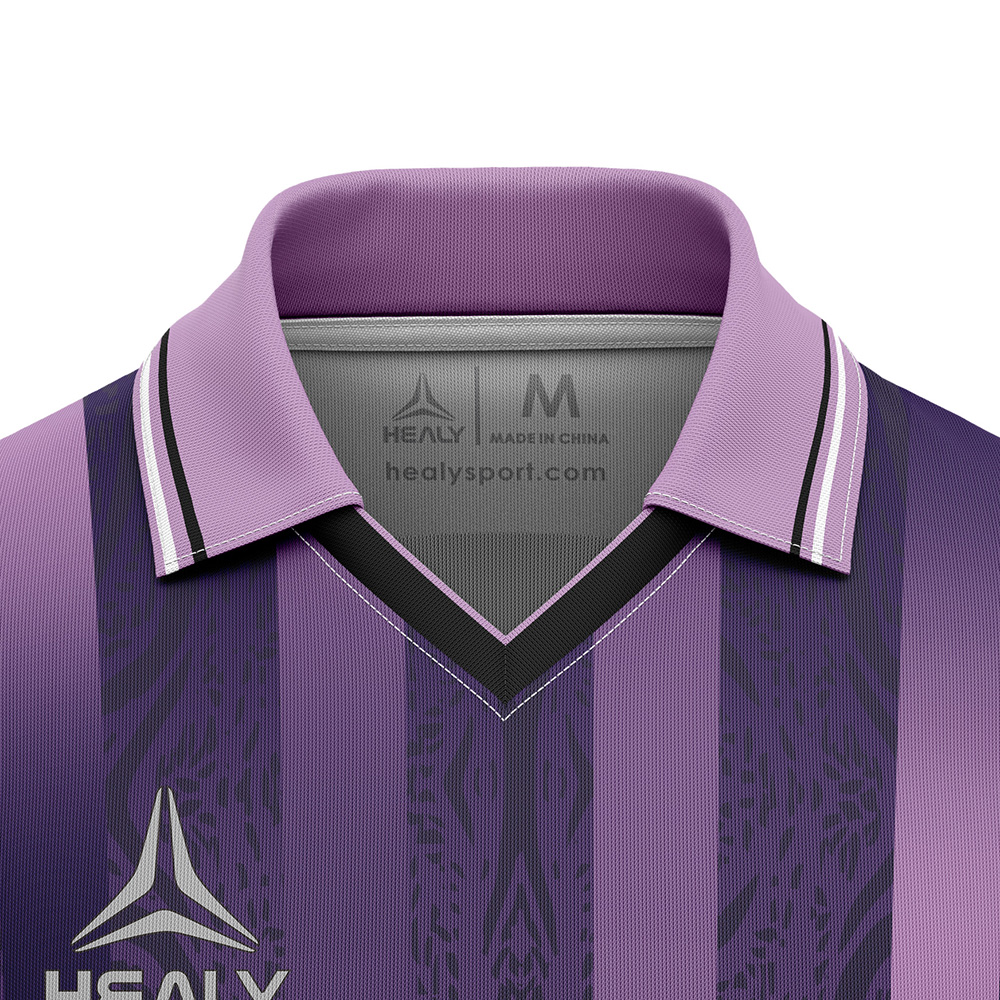
For example, a brand might use sublimation for the entire jersey background pattern to achieve vibrant colors, then add embroidery for the sponsor logo to create a premium 3D effect. Alternatively, a screen print could be used for the main graphic, with heat transfer vinyl for individual player names, allowing for easy customization in small batches. Healy’s integrated design team excels at creating these hybrid workflows. They ensure that the transition between processes is seamless, preventing alignment errors that plague less experienced tracksuit manufacturer operations. By leveraging hybrid strategies, brands can achieve luxury finishes at mid-range prices, a hallmark of a smart tracksuit manufacturer partnership.
Not all fabrics accept all processes equally. A critical role of the tracksuit manufacturer is testing compatibility before mass production.
Healy addresses this by maintaining a library of tested fabric-process combinations. Their tracksuit manufacturer protocols include pre-production lab dips and pull tests to verify adhesion and color fastness, ensuring compliance with ASTM and REACH standards.
Environmental concerns are reshaping decoration methods. Traditional plastisol screen printing contains PVC and phthalates, raising regulatory hurdles in Europe. Forward-thinking tracksuit manufacturer entities are shifting toward water-based discharge inks and eco-friendly sublimation dyes. Additionally, reducing waste is crucial. Sublimation produces zero runoff, whereas screen printing requires chemical cleaning of screens. Brands should ask their tracksuit manufacturer about their waste management policies. Healy supports sustainable practices by offering GOTS-certified organic options and minimizing solvent use, aligning with FSC packaging standards. Choosing a responsible tracksuit manufacturer enhances brand equity among conscious consumers.
Consider the case of a rugby club in Toronto, Canada. On September 11, 2026, they needed to rebrand their kit mid-season due to a new sponsor deal. Their previous supplier had attempted to screen-print the new logo onto existing fleece jackets, resulting in cracked ink and stiff hand-feel. Complaints flooded in.
Healy Sportswear intervened as their emergency tracksuit manufacturer. Analyzing the failure, Healy identified that the thick fleece pile prevented proper ink adhesion. They proposed a hybrid solution: removing the failed print and applying a high-density embroidered patch backed with heat-activated adhesive for stability. For the player names, they switched from vinyl to sublimated inserts within the collar lining to avoid surface cracking. The tracksuit manufacturer team coordinated rapid sampling, delivering approved prototypes in three days. The final kits were durable, comfortable, and visually striking, restoring fan confidence. This incident highlights how a responsive tracksuit manufacturer can diagnose technical failures and implement corrective hybrid strategies effectively.
Selecting the right decoration process is a technical art form that defines the perceived value of your tracksuits. Whether opting for the tactile prestige of embroidery, the vibrant coverage of sublimation, or the bold simplicity of screen printing, the key is matching the method to the material and mission. A generic supplier treats these as menu items; a strategic tracksuit manufacturer treats them as engineering solutions.
Healy Sportswear exemplifies this consultative approach. With 16+ years of experience across 14 sports categories, they offer the depth of knowledge required to navigate complex hybrid workflows. Their commitment to quality control, sustainability, and flexible MOQs makes them an ideal partner for brands seeking precision. Ultimately, the success of your custom tracksuits depends on the expertise of your tracksuit manufacturer. Choose a partner who understands that every thread, drop of ink, and degree of heat matters. In doing so, you ensure that your brand stands out not just for its design, but for its enduring quality and performance.
23 September, 2026
Custom Basketball Jersey Printing Process: From Artwork to Finished Teamwear