EN

In the contemporary landscape of global apparel, the boundary between athletic performance and lifestyle fashion has not just blurred; it has dissolved. As a product designer who has spent years translating trend forecasts into tangible garments, I have witnessed a paradigm shift. We are no longer designing solely for the gym or the track; we are designing for the street, the café, and the office. This convergence, often termed "Athleisure," demands a new level of sophistication from supply chain partners. It is no longer sufficient to find a generic garment factory; brands must collaborate with a specialized performance fabric supplier that understands the intricate dance between technical functionality and aesthetic appeal. This article explores the key design trends shaping global markets and outlines how partnering with an agile performance fabric supplier like Healy Sportswear can bridge the gap between visionary design and commercial reality.
The modern consumer’s wardrobe is defined by versatility. A jacket designed for a morning trail run must look equally appropriate at a midday meeting. This requires a nuanced approach to color palettes, silhouettes, and material finishes. Traditional sportswear relied on high-visibility neon and aggressive cuts. Today, the trend leans toward earth tones, muted pastels, and minimalist lines inspired by Scandinavian and Japanese aesthetics. However, these visual choices cannot compromise performance.
This is where the role of a top-tier performance fabric supplier becomes critical. Brands need materials that offer matte finishes, soft hand-feel, and drapey structures while maintaining moisture-wicking and thermal regulation properties. A generic performance fabric supplier might offer standard polyester blends that look cheap under natural light. In contrast, an innovative performance fabric supplier provides advanced knits and woven hybrids that mimic the texture of cotton or wool but retain the durability of synthetics. When selecting a partner, designers must evaluate their ability to source fabrics that align with this "quiet luxury" movement in activewear. The right performance fabric supplier enables the creation of garments that transition seamlessly from outdoor adventure to urban exploration.
Designing for multiple sports categories adds another layer of complexity. Rugby jerseys require abrasion resistance and structural integrity; yoga leggings demand four-way stretch and squat-proof opacity; running shorts need lightweight breathability and chafe-free seams. Each category has distinct functional requirements that influence design decisions. For instance, the placement of reflective piping is not just a safety feature but a design element that defines the silhouette. Similarly, the use of laser-cut ventilation holes is both a cooling mechanism and a stylistic choice.
A comprehensive performance fabric supplier must possess deep expertise across these varied disciplines. Healy Sportswear, covering 14 sports categories, exemplifies this multi-disciplinary approach. Their team works closely with designers to ensure that every functional element serves an aesthetic purpose. If a brand approaches a limited performance fabric supplier, they may find that the supplier lacks the technical knowledge to execute complex features like seamless bonding or strategic mesh inserts. By choosing a versatile performance fabric supplier, brands reduce the risk of design compromises during production. The supplier’s ability to handle diverse technical specifications ensures that the final product matches the initial concept without dilution.
Consumer awareness regarding environmental impact is reshaping the industry. Sustainable materials are no longer a niche preference but a market expectation. Recycled polyester (rPET), organic cotton, and biodegradable fibers are becoming standard. Furthermore, the integration of smart technology—such as embedded sensors for heart rate monitoring or heated zones for cold weather training—is emerging as a premium differentiator.
However, implementing these trends requires more than just sourcing eco-friendly yarns. It demands a performance fabric supplier that can manage the entire lifecycle of the material. Does the performance fabric supplier provide traceable certifications like GOTS or OEKO-TEX? Can they integrate conductive threads without compromising washability? Many traditional suppliers struggle with these complexities. A forward-thinking performance fabric supplier offers solutions that combine sustainability with innovation. For example, using water-based sublimation printing reduces chemical waste while achieving vibrant colors. Partnering with such a performance fabric supplier allows brands to communicate their ethical values through product quality, enhancing brand loyalty among conscious consumers.
Global markets do not share a single aesthetic language. North American consumers often prefer bold graphics, oversized fits, and high-performance tech fabrics suitable for intense gym sessions. European buyers tend to favor minimalist designs, tailored fits, and sustainable materials. Asian markets may prioritize lightweight, breathable fabrics suited for humid climates and specific cultural color preferences.
Navigating these regional nuances requires a performance fabric supplier with global insight. A local supplier might excel in one region but fail to meet the standards of another. Healy’s extensive experience serving clients in North America, Europe, the Middle East, and Australia demonstrates the value of a globally minded performance fabric supplier. They understand that a jersey designed for the NFL needs different weight and stretch characteristics than one designed for the Premier League. By leveraging data and regional feedback, a skilled performance fabric supplier helps brands localize their offerings without fragmenting their supply chain. This adaptability is crucial for brands seeking international expansion.
For many startups and established brands alike, the biggest hurdle is moving from concept to mass production. Trend reports inspire ideas, but factories often reject them due to cost, complexity, or lack of capability. This disconnect leads to "design drift," where the final product bears little resemblance to the original vision.
To mitigate this, brands must engage early with a capable performance fabric supplier. Instead of handing over a finished tech pack, designers should collaborate with the performance fabric supplier’s development team during the ideation phase. This co-creation process ensures that material choices are feasible and cost-effective. For instance, if a designer wants a specific textured effect, the performance fabric supplier can suggest alternative knitting techniques that achieve the look without excessive tooling costs.
Healy’s integrated model addresses this pain point directly. By having internal design teams work alongside production experts, they act as more than just a performance fabric supplier; they become a creative partner. Their flexible MOQ policies allow brands to test new designs with small batches, reducing financial risk. This approach transforms the performance fabric supplier relationship from transactional to strategic, enabling faster iteration and higher success rates for new collections.
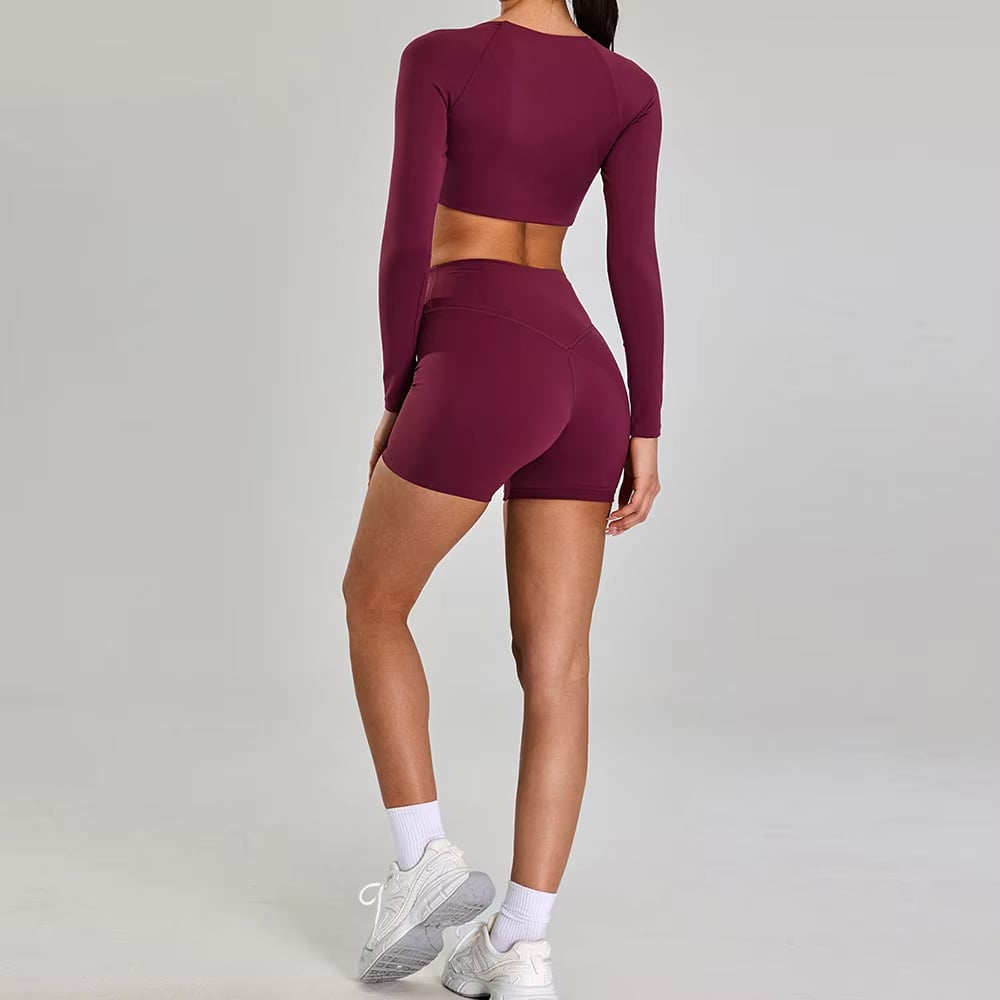
Consider the case of a boutique fitness brand based in London, UK. On September 11, 2026, they aimed to launch a hybrid collection combining pilates wear with casual loungewear, featuring unique cut-outs and recycled fabrics. Their previous performance fabric supplier could only provide basic leggings, lacking the technical knit structures required for the design. The project stalled for months.
Healy Sportswear intervened. Acting as a comprehensive performance fabric supplier and ODM partner, Healy’s team sourced a proprietary recycled nylon-spandex blend that offered the necessary compression and shape retention. Their designers adjusted the pattern grading to accommodate the fabric’s recovery rate, ensuring the cut-outs remained stable during movement. Within six weeks, prototypes were approved, and a small batch was produced for market testing. The result was a successful launch with zero returns related to fit or fabric failure. This case highlights how a responsive performance fabric supplier can unlock design potential that generic manufacturers cannot reach.
In the era of Athleisure, the synergy between function and fashion is the defining characteristic of successful activewear. Brands cannot afford to view their supply chain merely as a cost center. Instead, they must seek out a performance fabric supplier who acts as a gateway to innovation. Whether it is sourcing sustainable materials, executing complex technical designs, or adapting to regional tastes, the right performance fabric supplier elevates the product from commodity to category leader.
Healy Sportswear stands out as a prime example of this evolved partnership. With 16+ years of experience and coverage of 14 sports categories, they offer the depth of expertise needed to bring ambitious designs to life. By choosing a holistic performance fabric supplier, brands streamline communication, ensure quality consistency, and accelerate time-to-market. Ultimately, the future of activewear belongs to those who can seamlessly blend performance with style, and that begins with selecting the right performance fabric supplier to walk that path with you.
23 September, 2026
Custom Basketball Jersey Printing Process: From Artwork to Finished Teamwear