EN

In the dynamic world of global commerce, timing is everything. For brands selling private label activewear, understanding the intricate rhythm of sports seasons, major events, and climatic shifts is not just a marketing strategy; it is an operational necessity. The demand for private label activewear does not follow a linear path. Instead, it moves in waves—predictable seasonal peaks, unpredictable event-driven spikes, and complex geographical variations. This article explores how these factors shape the market for private label activewear, highlighting the challenges faced by procurement teams and offering strategic solutions through agile manufacturing partners like Healy Sportswear.
The most fundamental driver of demand for private label activewear is the traditional sports calendar. In North America and Europe, fall brings football, winter sees basketball and hockey, spring introduces baseball and soccer, and summer focuses on track and field. Each transition requires a specific assortment of private label activewear. Brands must anticipate these cycles months in advance. However, the challenge lies in the precision of this forecasting. Too early, and capital is tied up in inventory that may not sell until the season starts. Too late, and the brand misses the critical window when consumers are actively seeking new gear.
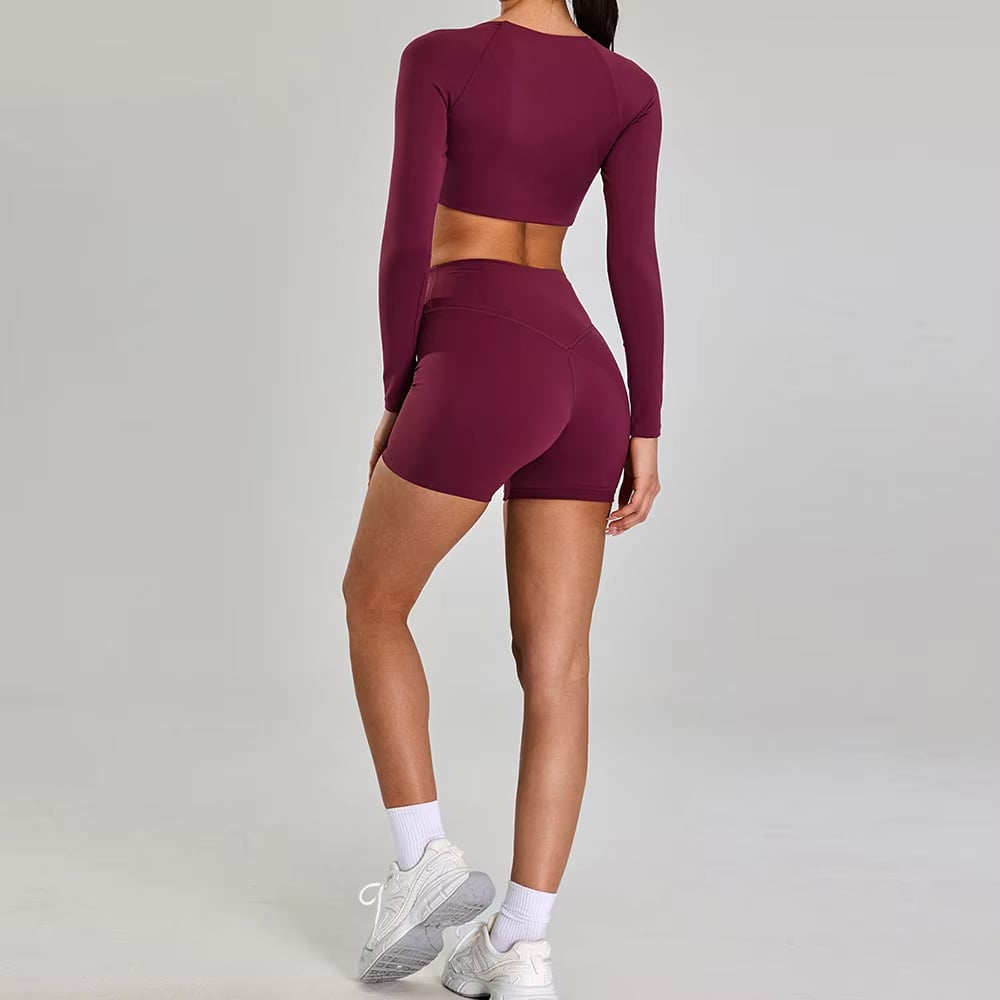
For instance, the demand for lightweight, moisture-wicking private label activewear surges in May and June as outdoor activities increase. Conversely, thermal-lined jackets and base layers see their peak interest in October and November. Managing this flow requires a deep understanding of consumer behavior tied to private label activewear. Without accurate data, brands risk holding obsolete stock or facing stockouts during high-demand periods. The goal is to align production schedules with these natural rhythms, ensuring that every piece of private label activewear hits the shelves exactly when the athlete needs it.
While regular seasons provide a baseline, major sporting events create "pulse-like" explosions in demand for private label activewear. The Olympics, the FIFA World Cup, the Super Bowl, and regional tournaments generate intense, short-term interest. During these windows, fans want to show support through branded merchandise, leading to a sudden spike in orders for team-specific private label activewear.
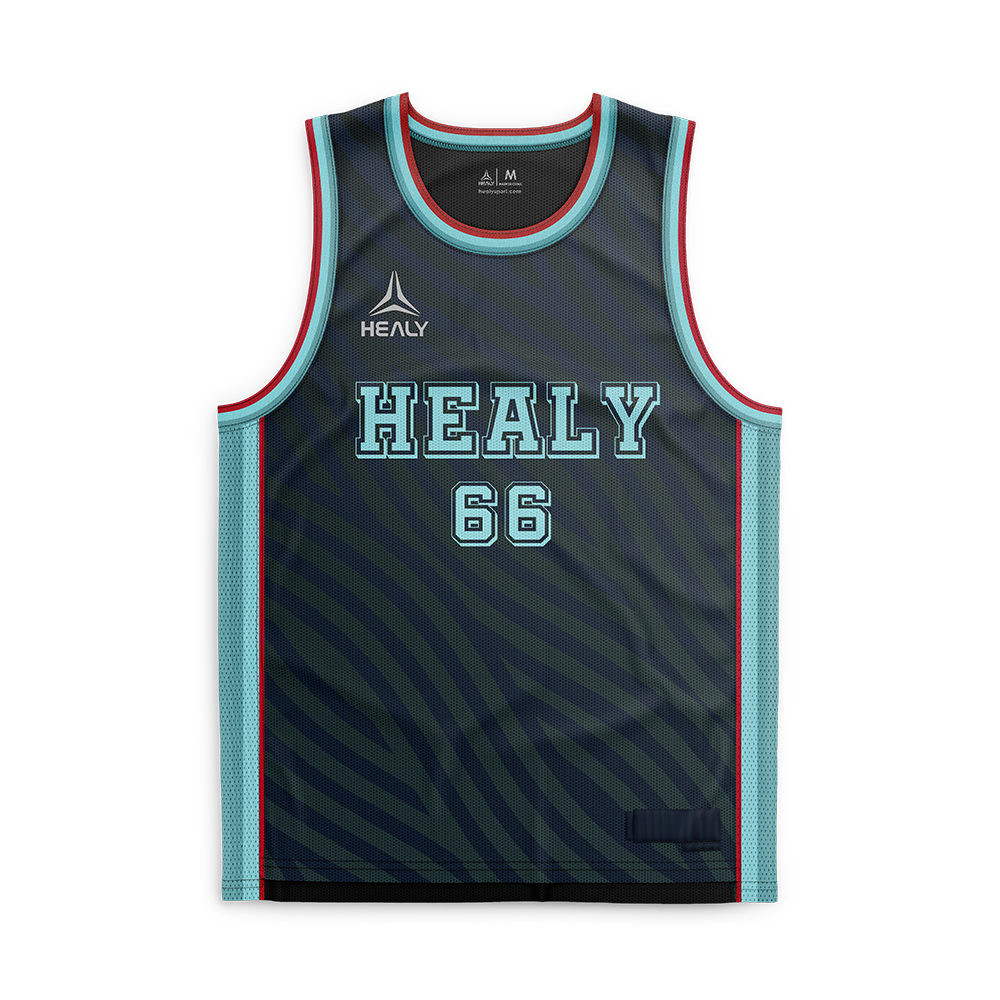
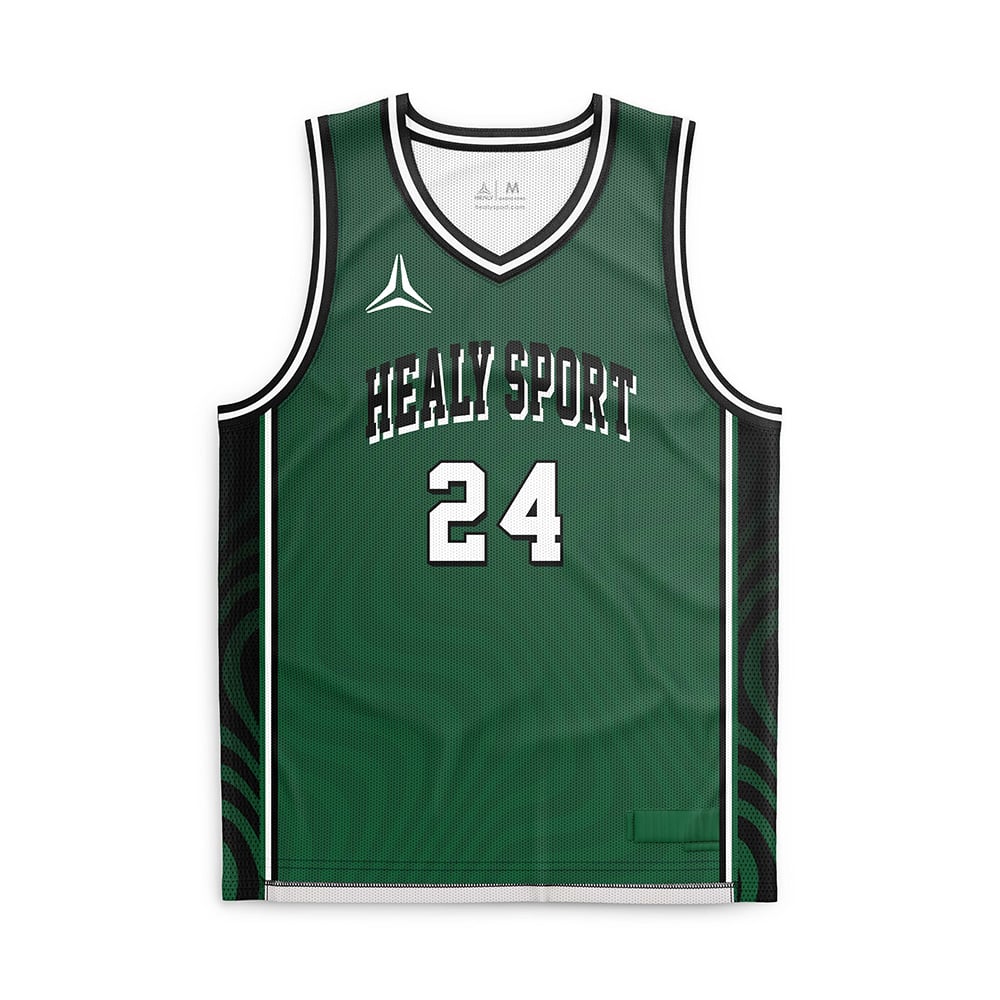
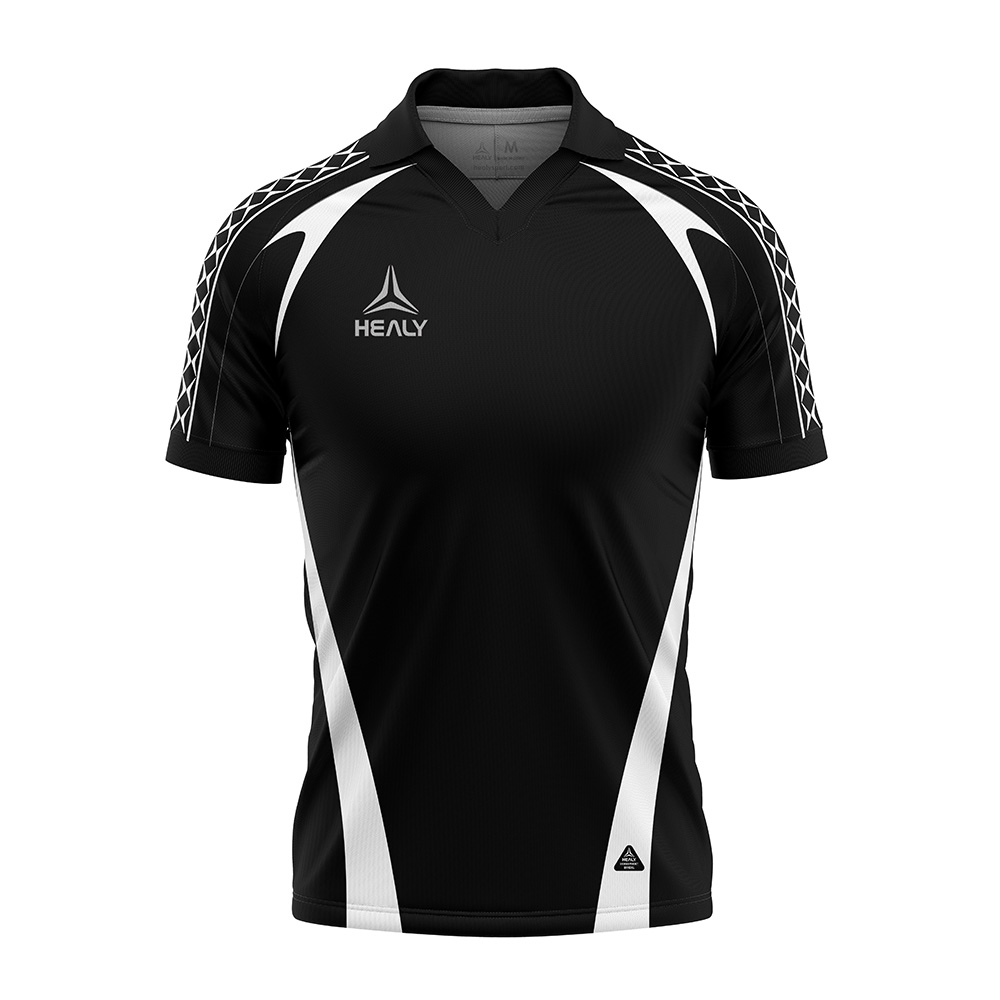
This phenomenon presents a unique logistical nightmare. Traditional supply chains are often too slow to react to these rapid changes. A brand might see a viral moment involving a specific team jersey, but if they cannot replenish stock within days, the opportunity vanishes. The demand for private label activewear during these events is highly emotional and impulsive. Consumers are less price-sensitive but extremely time-sensitive. Success depends on having a flexible manufacturing partner who can ramp up production quickly without compromising quality. The ability to capture these fleeting moments of high engagement for private label activewear distinguishes agile brands from stagnant ones.
Globalization adds another layer of complexity to the demand for private label activewear. Brands operating in multiple markets face conflicting seasonal requirements. When it is winter in Canada and Northern Europe, requiring heavy insulation in private label activewear, it is simultaneously summer in Australia and the Middle East, where breathable, UV-protective fabrics are essential.
This geographical disparity makes unified planning difficult. A single SKU of private label activewear may be relevant in one region while being completely useless in another at the same time. Procurement teams must segment their strategies by region, managing different product lines for different climates. For example, the demand for rain-resistant private label activewear might peak in Southeast Asia during monsoon season, while European markets focus on windproof layers during autumn. Coordinating these divergent needs requires a supplier capable of handling diverse specifications within a single order cycle, ensuring that each market receives the appropriate type of private label activewear.
Beyond sports-specific timing, the retail calendar significantly influences the volume of private label activewear sold. The holiday season, particularly Black Friday and Christmas, drives a surge in gift purchases. Athletes often receive high-end training gear, compression wear, or stylish athleisure as gifts. Consequently, brands must prepare for a dual demand curve: one driven by functional sports needs and another by festive gifting trends.
During these periods, packaging becomes as important as the product itself. Premium boxes and sustainable materials enhance the perceived value of private label activewear intended for gifts. FSC-certified packaging, for instance, appeals to eco-conscious consumers looking for ethical gifts. The intersection of holiday shopping and sports enthusiasm creates a unique opportunity to boost sales of private label activewear, provided the branding and presentation align with the festive spirit.
A common misconception is that demand for private label activewear drops to zero once a tournament ends. In reality, there is a "long tail" effect. Fans continue to wear memorabilia year-round, and athletes maintain their training regimens regardless of competitive seasons. Smart brands leverage this by designing timeless pieces of private label activewear that remain relevant beyond the immediate hype of an event.
Furthermore, post-event analysis provides valuable data for future planning. Understanding which designs of private label activewear retained popularity helps refine next season’s collections. Building a community around a brand ensures steady sales of private label activewear even during off-peak times. This requires consistent quality and design innovation to keep customers engaged long after the final whistle blows.
To illustrate these principles in action, consider a real-world scenario involving Healy Sportswear. On September 11, 2026, a mid-sized athletic club in Manchester, UK, approached Healy with an urgent request. Their team had unexpectedly advanced to the national semi-finals, creating a sudden need for 500 units of custom-branded private label activewear within three weeks.
Traditional suppliers quoted lead times of six to eight weeks, citing fabric sourcing and printing constraints. The club faced the risk of missing the event entirely. Healy leveraged its integrated design-and-production model to address this crisis. By utilizing pre-approved, REACH-compliant technical fabrics already in stock and coordinating directly with their internal design team, Healy bypassed typical bottlenecks. They offered flexible MOQs, allowing the club to start with a smaller batch while scaling up as ticket sales confirmed attendance. The result was the delivery of high-quality, CE-certified private label activewear just ten days before the match. This agility not only saved the sale but also established a long-term partnership, proving that responsive manufacturing is key to capturing pulse-driven demand for private label activewear.
The market for private label activewear is shaped by a confluence of predictable seasons, unpredictable events, global climate differences, and cultural holidays. Navigating these forces requires more than just good intuition; it demands a strategic partnership with a manufacturer who understands the nuances of timing and flexibility. Brands that fail to adapt to these rhythms risk inventory bloat or missed opportunities.
Healy Sportswear exemplifies the ideal partner in this landscape. By covering 14 sports categories and offering end-to-end ODM/OEM services, they eliminate the coordination costs associated with multiple suppliers. Their commitment to transparency, flexible MOQs, and rapid turnaround times addresses the core pain points of modern procurement. Whether it is stocking up for the upcoming football season or reacting to a viral sports moment, having a reliable source for private label activewear is crucial. Ultimately, success in this sector belongs to those who view private label activewear not just as a product, but as a timely solution to the ever-changing demands of the global sports community.
23 September, 2026
Custom Basketball Jersey Printing Process: From Artwork to Finished Teamwear