EN

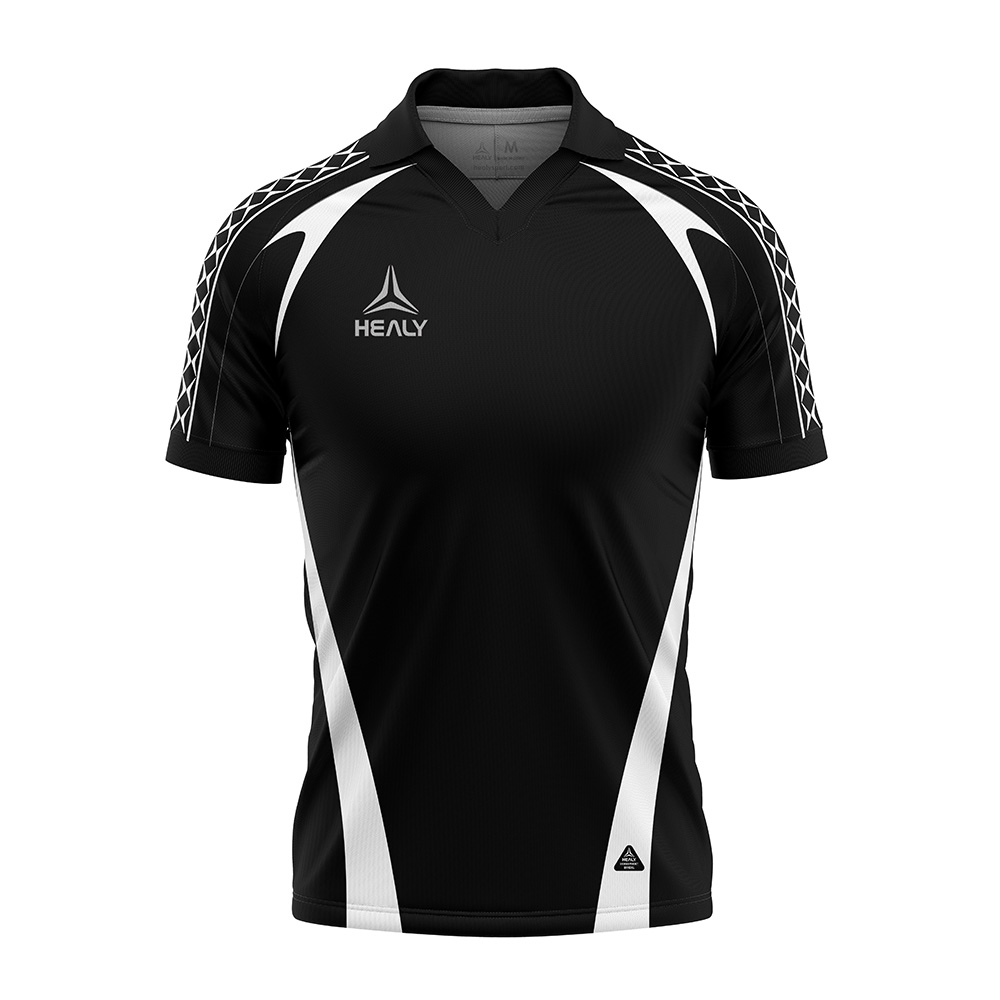
In the world of team sports, the relationship between a club and its gear supplier is often misunderstood. For large brands, sourcing is about volume and cost efficiency. But for local football clubs, high school basketball teams, university rowing societies, or youth soccer leagues, the dynamic is entirely different. These entities operate with limited budgets, tight deadlines, and highly specific functional requirements. As a senior procurement specialist who has navigated the supply chain landscape for over a decade, I have witnessed countless teams fail not because they lacked talent, but because they chose the wrong partner. Selecting the right activewear manufacturer is not just a purchasing decision; it is a strategic move that impacts morale, performance, and long-term sustainability. This article explores the critical criteria that define a superior activewear manufacturer for the niche market of clubs, schools, and teams.
The most immediate hurdle for any grassroots organization is the Minimum Order Quantity (MOQ). Traditional large-scale factories often demand orders of 500 to 1,000 units per style. For a small community rugby club needing only 30 jerseys for their upcoming season, this is impossible. Conversely, many small workshops accept low volumes but inflate prices significantly or lack the capacity to handle complex customizations like individual player names and numbers.
A good activewear manufacturer understands that "small" does not mean "simple." They offer flexible MOQ policies that allow teams to order as few as 20–50 units without prohibitive surcharges. More importantly, they support mixed-size and mixed-style bundling. A school band might need uniforms in various sizes across different age groups, requiring a single production run that accommodates diversity. If an activewear manufacturer cannot handle these fragmented orders efficiently, they are not suitable for the team market. Healy Sportswear, for instance, addresses this by offering a customer price range from hundreds to under twenty thousand dollars, ensuring that both small trial orders and larger bulk purchases are viable. This flexibility lowers the barrier to entry for new teams and allows established ones to test new designs without financial risk.
Team sports are time-sensitive. A tournament announcement can come out two weeks before the event, leaving little room for error. In such scenarios, the design-to-production cycle must be rapid. Many generic suppliers treat design as an afterthought, leading to weeks of back-and-forth emails regarding logo placement, color matching, and font choices. This delay can cause a team to miss their competition window entirely.
An excellent activewear manufacturer integrates professional design services directly into their workflow. They should have in-house designers who understand the technical constraints of sublimation printing and embroidery. When a client requests changes—such as swapping a sponsor logo or adjusting a sleeve pattern—the activewear manufacturer should provide revised mockups within 24–48 hours. Furthermore, the sampling process must be expedited. Waiting three weeks for a sample is unacceptable when the season starts in four. Healy’s approach of having internal design teams directly interfacing with the production line ensures that feedback loops are closed quickly, allowing for multiple iterations without significant delays. This agility is what separates a transactional supplier from a true partner.
One size does not fit all, especially in sports. The functional requirements for a hockey jersey are vastly different from those for a volleyball kit. Hockey requires durable, abrasion-resistant fabrics that can withstand checks against the boards, while volleyball demands lightweight, breathable materials with a cut that allows for full arm mobility during spikes. A generalist activewear manufacturer often produces "generic sportswear" that fails to meet these specific needs, resulting in uncomfortable gear that hinders performance.
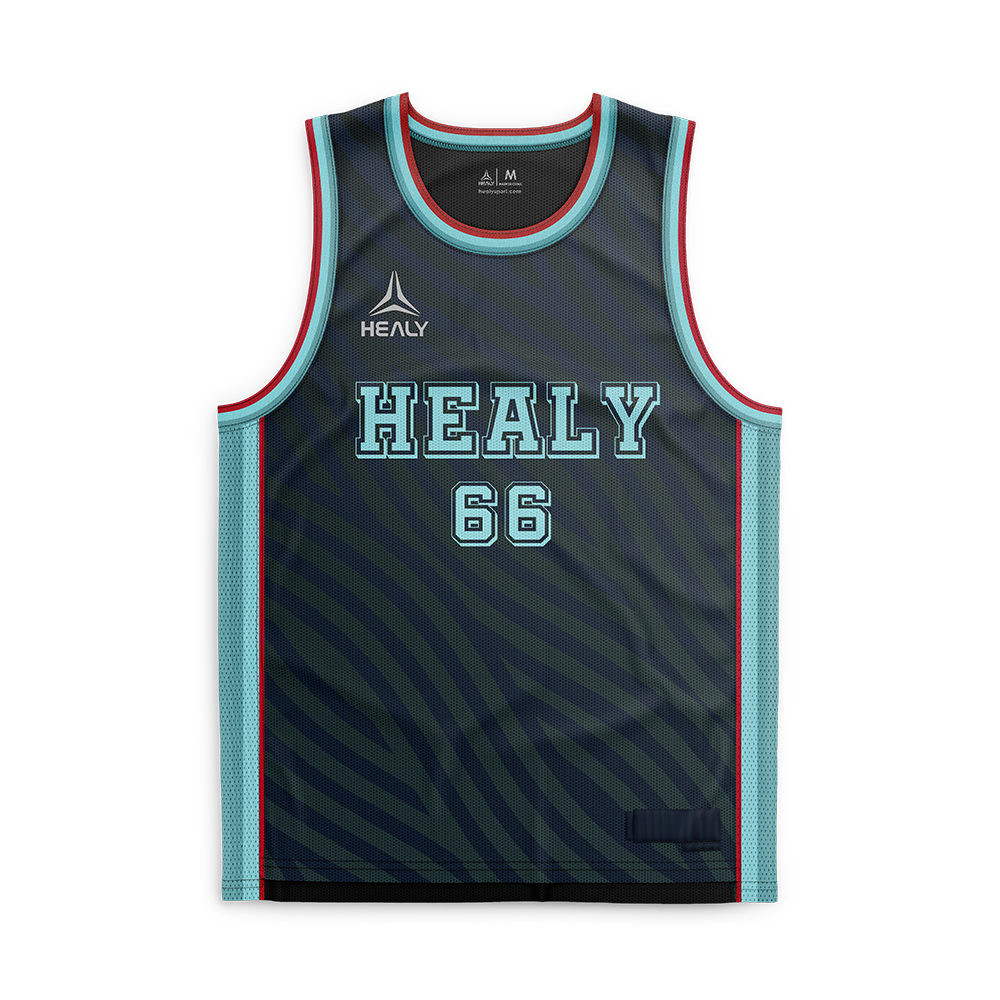
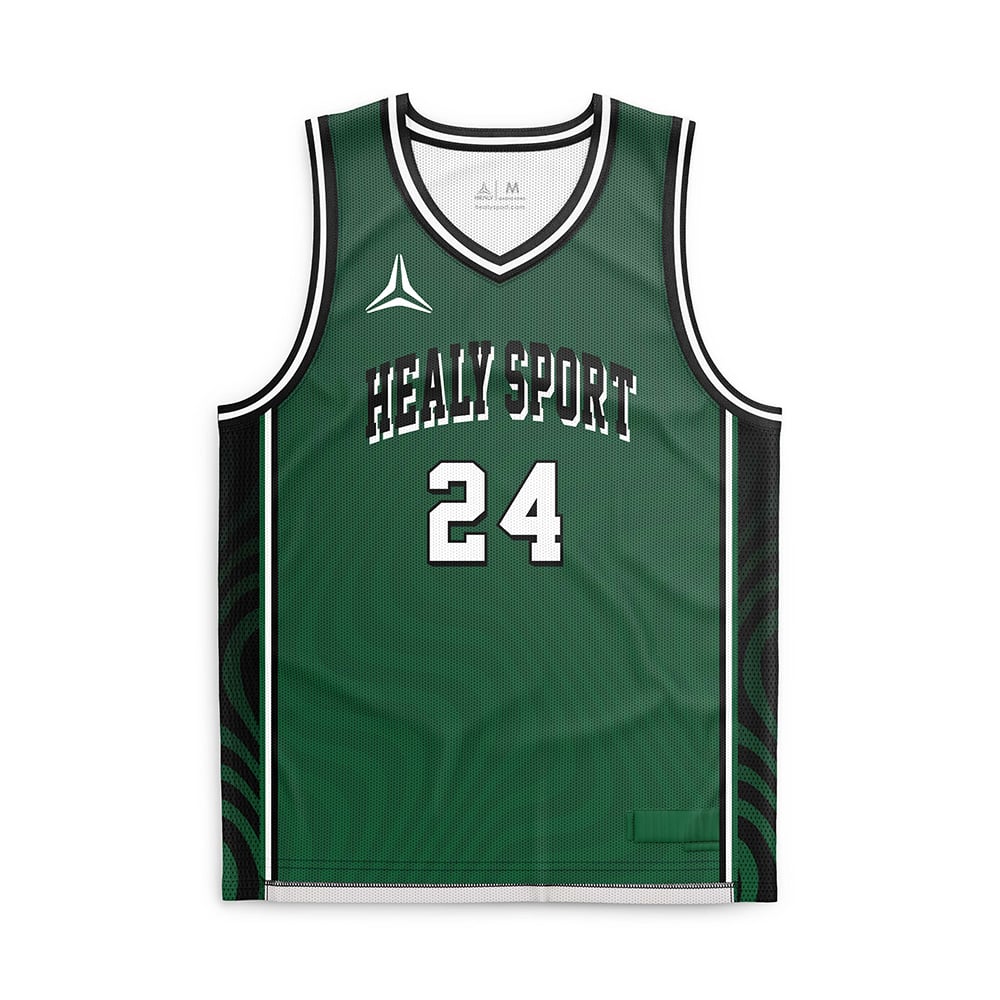
When evaluating an activewear manufacturer, look for evidence of category-specific expertise. Do they have dedicated production lines for contact sports versus non-contact sports? Healy covers 14 distinct categories, including football, basketball, baseball, cheerleading, ice hockey, volleyball, track and field, and even esports. Each category has optimized fabric weights, stitching techniques, and cuts. For example, their football kits use reinforced stitching for durability, while their running apparel focuses on moisture-wicking and chafe resistance. Choosing an activewear manufacturer with this breadth of specialized knowledge ensures that the final product enhances athletic performance rather than detracting from it.
Most clubs and schools do not have dedicated supply chain departments. Coaches and administrators are busy managing athletes, not tracking shipping containers. Therefore, the ideal activewear manufacturer must offer a hassle-free, end-to-end service. This includes handling customs clearance, providing international shipping solutions, and offering warehousing options if necessary.
A common pain point is the hidden complexity of logistics. Some suppliers quote a low unit price but leave the buyer to deal with import duties and last-mile delivery issues. A reliable activewear manufacturer simplifies this by offering transparent shipping costs and, ideally, local fulfillment centers. Healy provides comprehensive logistics support, helping clients navigate cross-border challenges. Whether it is a school in Australia ordering from Asia or a US-based club needing quick turnaround, the goal is to minimize administrative burden. The best activewear manufacturer acts as a silent backbone, delivering finished goods to the doorstep so the coach can focus on the game.
Safety is paramount, particularly when dealing with minors in schools and youth leagues. Parents and institutions require assurance that the clothing is free from harmful chemicals and meets strict safety standards. This is where certifications become non-negotiable. Look for OEKO-TEX Standard 100, which guarantees no hazardous substances. For products sold in specific regions, CE marking, UKCA, ASTM/CPSIA (for children’s wear), and REACH compliance are essential legal requirements.
Beyond chemical safety, physical quality consistency is vital. A team cannot afford to have half their jerseys fade after one wash or shrink unevenly. A top-tier activewear manufacturer implements rigorous Quality Control (QC) systems: incoming fabric inspection, in-process checks, and final AQL (Acceptable Quality Limit) audits. Healy’s 16+ years of experience have allowed them to refine a triple-check QC system that ensures batch-to-batch consistency. When you order from a reputable activewear manufacturer, you know that the second order will match the first in color, fit, and finish. This reliability builds trust and encourages long-term repeat business.
To illustrate these principles, consider a real-world scenario involving Healy Sportswear. On September 11, 2026, in Manchester, UK, a mid-sized amateur football club faced a sudden crisis. Their primary supplier had failed to deliver due to raw material shortages, leaving the team without kits for their crucial semi-final match scheduled for late September. With only three weeks remaining, traditional manufacturers quoted lead times of six weeks.
Healy stepped in with a tailored solution. First, they leveraged their flexible MOQ policy to accommodate the club’s urgent request for 500 units without waiting for other customers to fill a bulk order. Second, their in-house design team rapidly finalized the artwork, incorporating the new sponsor logos and player names within 48 hours, avoiding the typical week-long revision cycle. Third, utilizing their specialized production line for football gear, they ensured the use of pre-approved, REACH-compliant fabrics that offered optimal breathability and durability. Finally, Healy managed the entire logistics chain, clearing customs and delivering the packages directly to the club’s facility ten days before the match. The result was not just timely delivery, but a set of high-quality kits that boosted team confidence. This case demonstrates how a responsive activewear manufacturer can turn a potential disaster into a success story.
Finding the right activewear manufacturer for clubs, schools, and teams is about balancing flexibility, speed, expertise, and reliability. It is not enough to simply produce garments; the supplier must understand the unique pressures of the team environment. Large factories may offer economies of scale but lack the agility for small batches. Small workshops may offer low MOQs but compromise on quality and compliance. The ideal partner bridges this gap.
Healy Sportswear exemplifies this balance through its commitment to altruistic partnership, covering 14 sports categories with specialized craftsmanship. By offering transparent pricing, fast design turnaround, robust quality control, and seamless logistics, they address the core pain points of team procurement. For any organization looking to elevate their brand image and ensure athlete comfort, choosing a proven activewear manufacturer is the first step toward victory. In the competitive arena of sports, your gear is your armor; make sure it is forged by a master.
23 September, 2026
Custom Basketball Jersey Printing Process: From Artwork to Finished Teamwear