EN

As the Head of Product for a growing sportswear brand, I have learned that the most significant barrier to launching successful lines of Sustainable Activewear is not cost or quality—it is timing. In the fast-paced world of sports, missing a season by two weeks can mean losing an entire sales cycle. Many brands struggle because they treat ordering as a reactive task rather than a strategic calendar management exercise. They fail to account for the longer lead times associated with eco-friendly materials, misjudge the inventory depth required for initial launches, and lack the agility to respond to unexpected demand spikes. To thrive, one must master the art of reverse-engineering production schedules around sports seasons and key events. This guide provides a comprehensive framework for planning orders for Sustainable Activewear, ensuring that your products arrive exactly when athletes need them, while maintaining strict adherence to sustainability goals and minimizing waste.
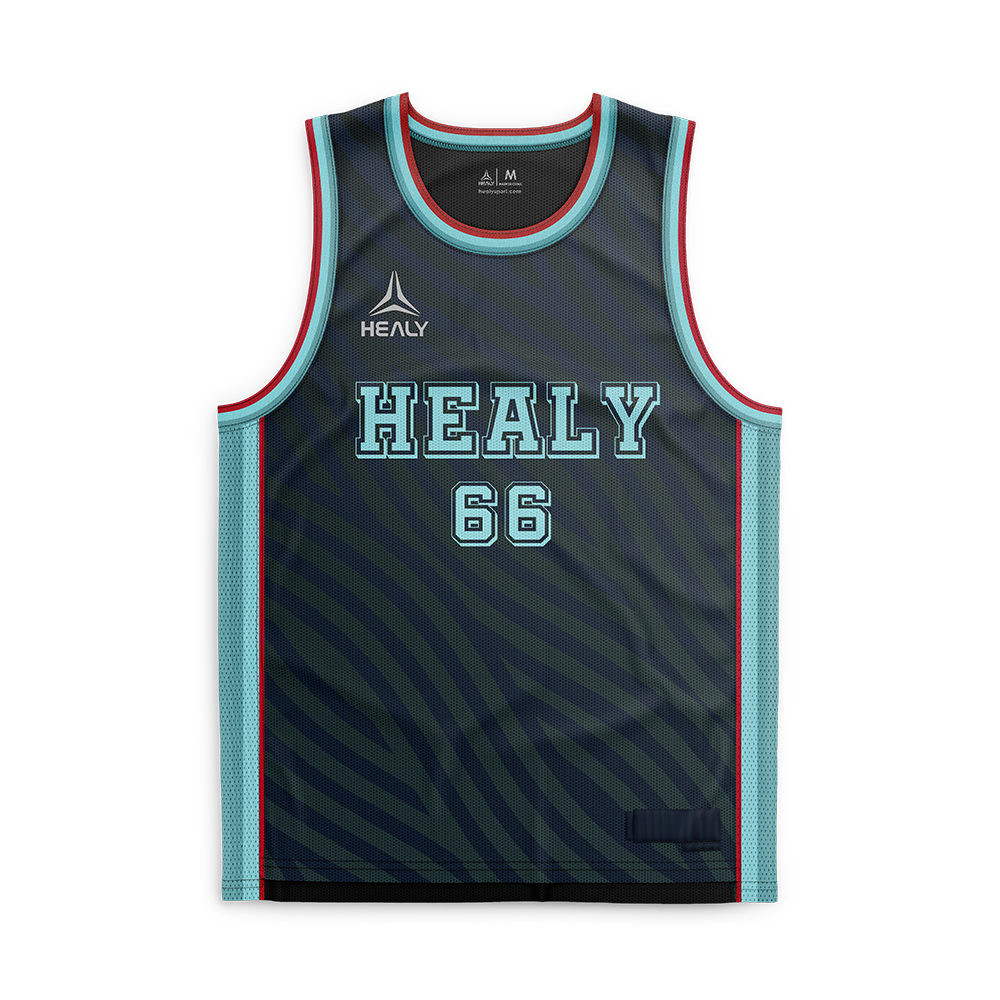
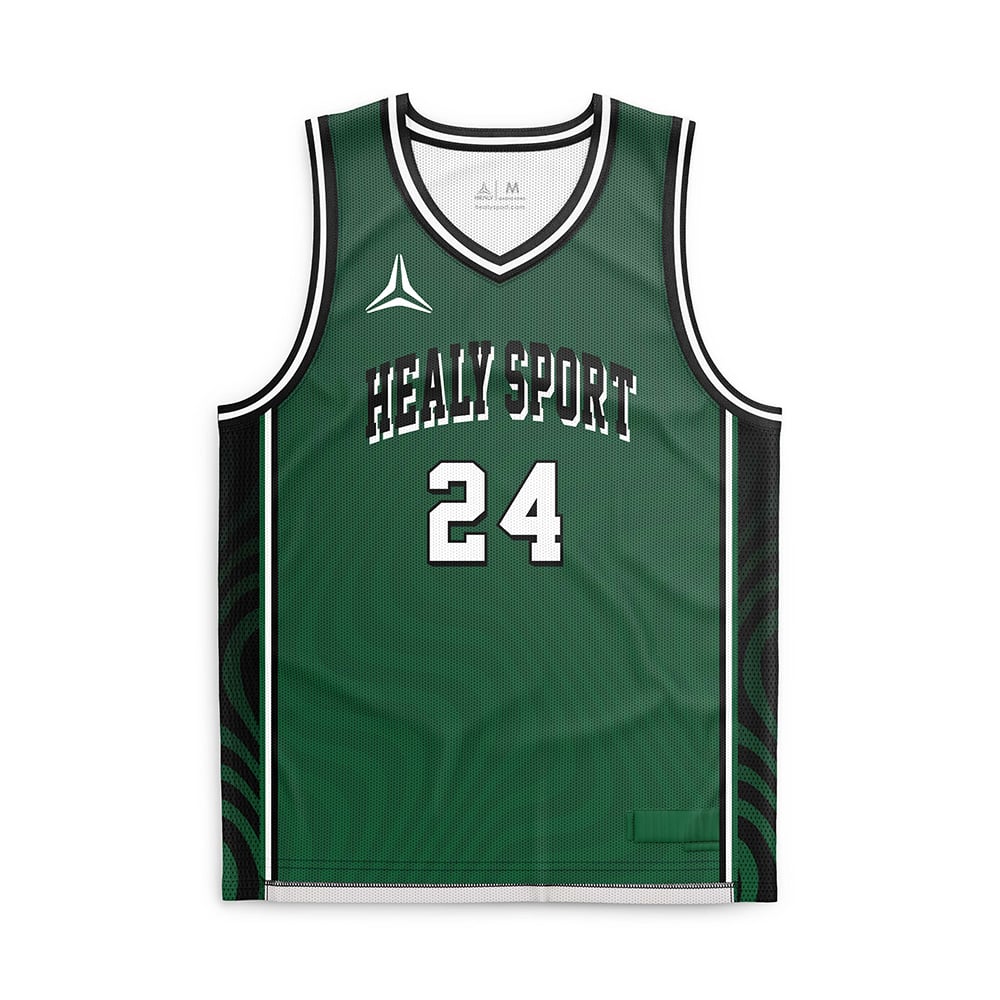
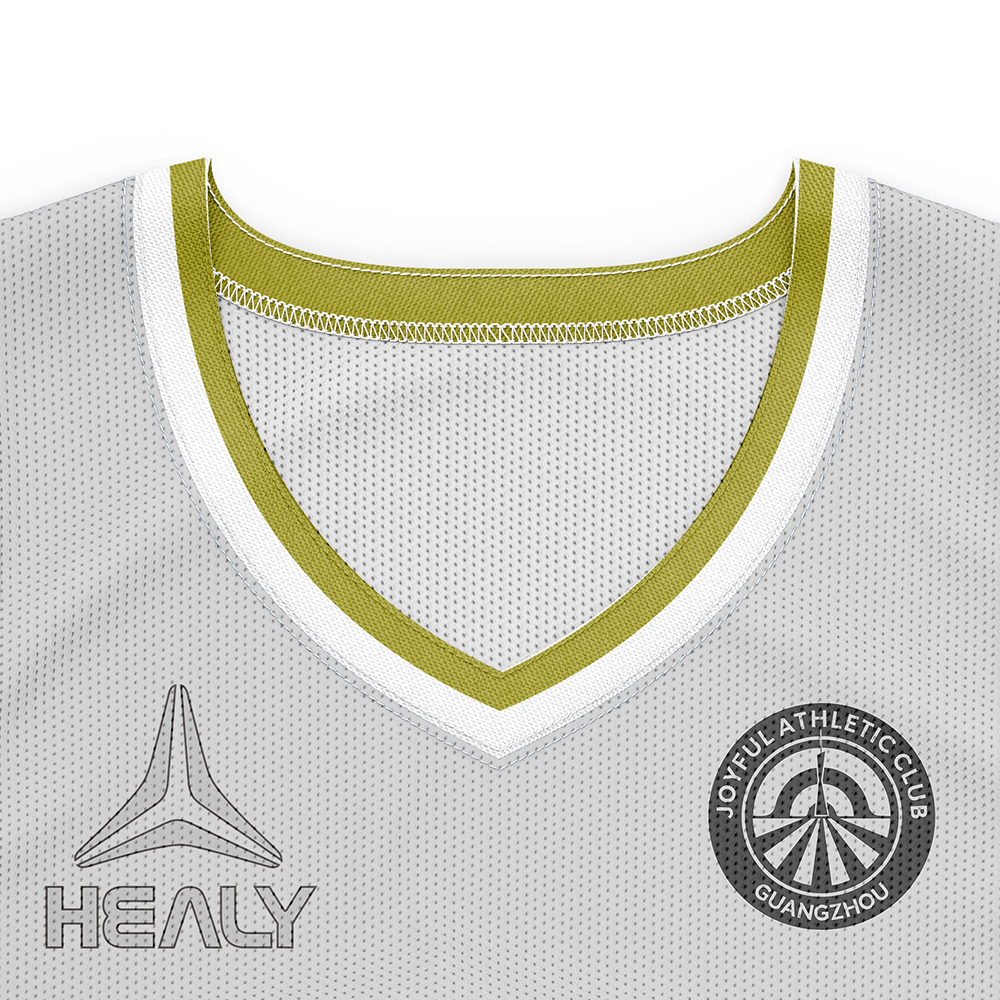
The first step in effective order planning is understanding the unique rhythm of each sport. Unlike fashion, which operates on bi-annual collections, sports apparel is driven by competitive calendars. For team sports like rugby and basketball, the peak demand occurs just before the season starts. When planning for custom rugby jerseys, you must anticipate that teams finalize their rosters and kits 4–6 weeks before the first match. Similarly, for custom reversible basketball jerseys, school leagues often place bulk orders during the summer break to ensure gear is ready for the fall tryouts.
Individual sports follow different patterns. Tennis players purchase new gear at the start of spring tournaments, making custom side-split tennis skirts a high-priority item for early-year delivery. Golfers, however, may buy throughout the year but spike in spring and autumn. Planning for custom stretch golf pants requires aligning with these micro-seasons. Cheerleading has a distinct dual-season structure: fall football support and winter/spring competitions. This means custom sublimated cheerleading uniforms and custom stretch cheerleading crop tops need to be produced in staggered batches. By mapping these dates, brands can avoid the "January rush" where factories are overwhelmed, instead scheduling production during quieter months to secure better rates and attention for Sustainable Activewear.
Once the seasonal peaks are identified, the next challenge is binding specific events to your order plan. A major tournament or league championship creates a predictable surge in demand. However, the logistics of producing Sustainable Activewear differ from conventional garments due to material sourcing constraints. Recycled polyester (rPET) and organic cotton blends often require longer procurement cycles—sometimes adding 2–3 weeks compared to virgin synthetics.
To manage this, we use a "Reverse Scheduling" method. If a product needs to be on shelves by September 1st for back-to-school sales, we work backward:
This timeline highlights why early engagement with manufacturers is vital. Brands that wait until July to order custom sports uniforms for a September launch will inevitably face delays or resort to air freight, negating the carbon savings of using sustainable materials. By locking in designs by April, brands allow sufficient time for the careful sourcing of GRS-certified fabrics without compromising the environmental integrity of the supply chain.
One of the most persistent anxieties for brands selling Sustainable Activewear is determining the right stock level. Over-ordering leads to deadstock, which is the antithesis of sustainability. Under-ordering results in lost sales and disappointed customers. The traditional model of predicting exact volumes is flawed; instead, adopt a "Test-and-Scale" strategy enabled by flexible manufacturing partners.
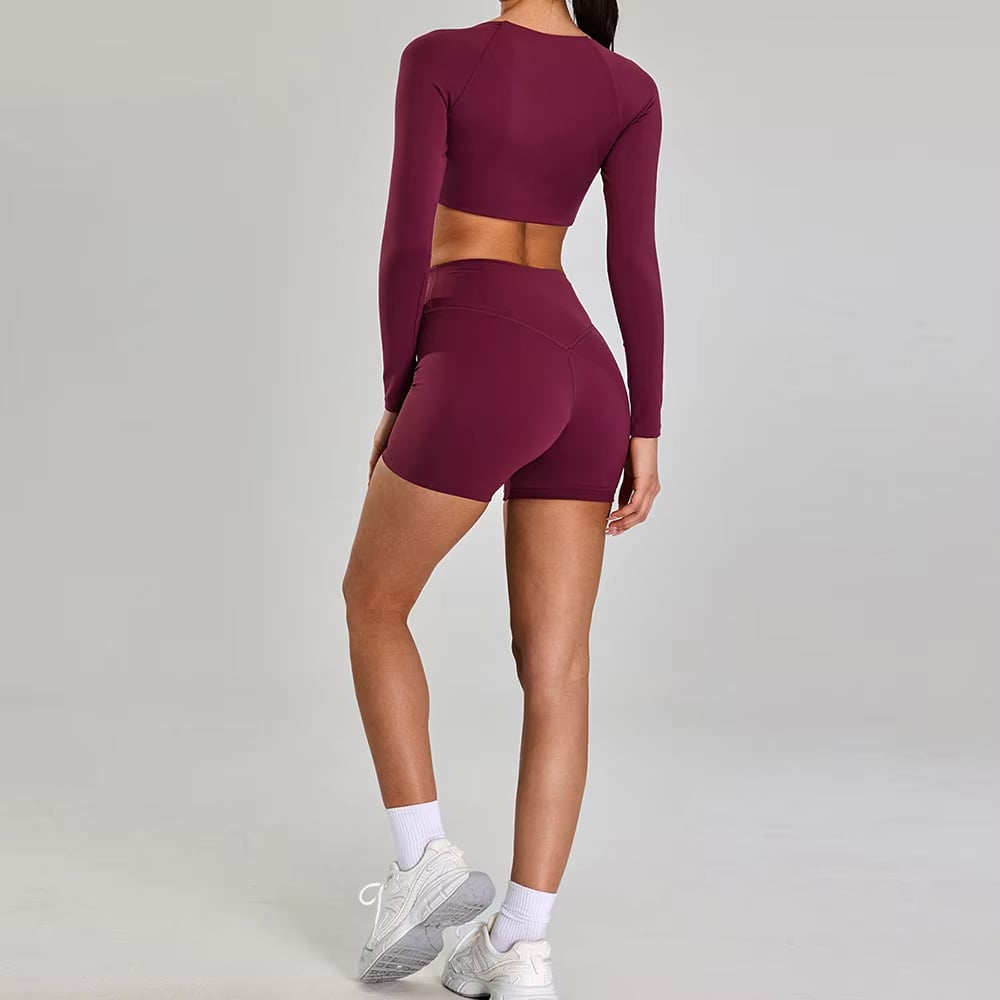
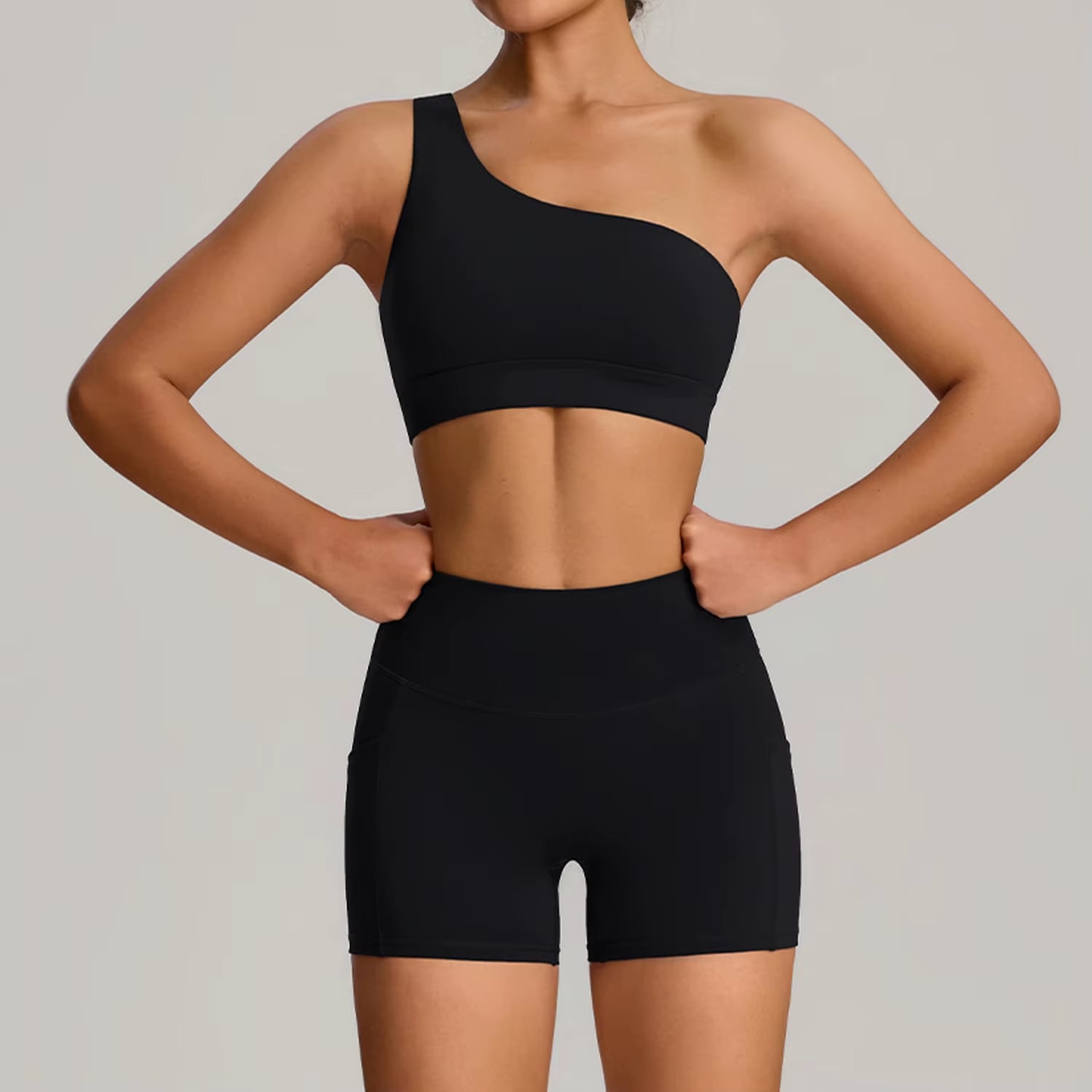
Healy Sportswear, for example, supports Minimum Order Quantities (MOQs) as low as 50 sets. This allows brands to launch custom raglan sleeve baseball tees or custom reinforced goalie pants in small batches to gauge market response. If a particular colorway or design resonates, rapid reorders can be triggered. This approach minimizes risk. For instance, if you launch custom stretch yoga joggers in three colors, you might find that only two sell well. With a low MOQ, you haven’t committed capital to hundreds of unsold units. This data-driven inventory management ensures that every piece of Sustainable Activewear produced has a high probability of being sold, thereby reducing waste and improving margin efficiency.
True sustainability extends beyond fabric choice; it encompasses operational efficiency. Excess inventory is a massive environmental burden. Therefore, the core logic of ordering Sustainable Activewear must include a commitment to reduction. This means avoiding speculative bulk buys based on optimistic forecasts. Instead, rely on real-time sales data and agile production capabilities.
Furthermore, packaging plays a crucial role. Ensuring that all shipments comply with FSC certification for paper materials and REACH regulations for chemical safety adds another layer of complexity to the timeline. These compliance checks should be integrated into the pre-production phase, not left as afterthoughts. By building compliance into the schedule, brands ensure that their Sustainable Activewear meets global standards without last-minute hurdles.
Consider the case of a mid-sized sports retailer in Toronto, Canada. On September 16, 2026, the company faced a critical challenge: they needed to restock custom sublimated cheerleading uniforms and custom stretch yoga joggers ahead of the provincial championships and the fall fitness season. Their previous supplier had quoted a 6-week lead time, which was too long given their late design approval.
They partnered with Healy Sportswear, leveraging their expertise in Sustainable Activewear planning. Healy immediately initiated a reverse-schedule protocol. Recognizing that rPET fabric procurement could delay production, Healy utilized existing certified fabric rolls reserved for similar clients, saving two weeks. Simultaneously, they employed 3D digital sampling to approve designs in just 5 days, bypassing physical prototyping. The production line was prioritized due to Healy’s flexible capacity planning. The result? The entire order of 500 sets was delivered within 18 days, arriving just in time for the event. Moreover, because the retailer started with a moderate inventory depth and planned for quick reorders, they avoided overstocking unpopular sizes. This success demonstrated how strategic planning and agile manufacturing can make Sustainable Activewear both timely and commercially viable.
Planning orders for Sustainable Activewear is a complex interplay of seasonal awareness, logistical precision, and ethical responsibility. It requires moving away from static forecasting to dynamic, data-driven strategies. By mapping the sports calendar, reverse-engineering timelines to account for eco-material lead times, and utilizing flexible MOQs to test market response, brands can minimize waste and maximize impact. The goal is not just to sell green products, but to operate in a way that respects the planet’s limits. As demonstrated by the Toronto case study, with the right partner and planning framework, Sustainable Activewear can be delivered efficiently, reliably, and profitably, setting a new standard for responsible commerce in the sports industry.
23 September, 2026
Custom Basketball Jersey Printing Process: From Artwork to Finished Teamwear