EN

As the Head of Product for a growing sportswear brand, I have learned that launching a line of Sustainable Activewear is not merely about choosing recycled fabrics; it is about engineering an entire supply chain that respects environmental and social standards from concept to consumer. Many brands struggle because they view sustainability as a marketing add-on rather than an operational backbone. They face opaque production processes, high minimum order quantities (MOQs), and a disconnect between design intent and final quality. To succeed, one must master the full manufacturing lifecycle. This guide dissects the end-to-end process of producing custom Sustainable Activewear, highlighting how digital tools, transparent compliance, and flexible manufacturing can turn ethical aspirations into profitable reality.
The journey begins with design, but in the realm of Sustainable Activewear, this stage is fundamentally different from traditional fast fashion. It requires "design for longevity" and "design for recyclability." Before any fabric is cut, brands must utilize 3D digital prototyping. Tools like CLO3D or Browzwear allow designers to visualize fit, drape, and movement without creating physical samples. This step alone reduces material waste by up to 80% during the development phase. For instance, when designing custom stretch yoga joggers, a 3D simulation can predict how the fabric will behave under tension, ensuring the pattern is optimized before mass production. This digital-first approach is critical for Sustainable Activewear because it eliminates the carbon footprint associated with shipping multiple rounds of physical prototypes globally. By integrating digital workflows early, brands ensure that their Sustainable Activewear concepts are technically feasible and aesthetically refined before committing resources.
Once the design is locked, the focus shifts to sourcing. This is where many brands fall victim to "greenwashing." A credible Sustainable Activewear manufacturer must provide verifiable proof of material origins. We look for Global Recycled Standard (GRS) certification for recycled polyester used in items like custom sublimated cheerleading uniforms. For natural fibers, GOTS (Global Organic Textile Standard) is essential for organic cotton blends found in custom raglan sleeve baseball tees. The supplier must disclose the source of the waste—whether it’s post-consumer plastic bottles or industrial nylon scraps. Transparency here is non-negotiable. If we cannot trace the lineage of the fiber, we cannot claim our product is truly Sustainable Activewear. Furthermore, chemical safety is paramount. All materials must comply with REACH regulations and OEKO-TEX Standard 100 to ensure no harmful substances are present in the final garment. This rigorous vetting process ensures that every piece of Sustainable Activewear meets global safety and environmental benchmarks.
In traditional factories, cutting is often done manually or with basic automated systems, leading to significant fabric waste. In advanced Sustainable Activewear production, smart nesting software optimizes marker layouts to maximize yield from every roll of fabric. For complex patterns like custom side-split tennis skirts, precise alignment is crucial not only for aesthetics but also for minimizing off-cuts. Healy Sportswear, for example, utilizes AI-driven cutting tables that reduce waste rates to below 5%, compared to the industry average of 15-20%. These off-cuts are then collected and sent back to recycling partners, closing the loop. This efficiency directly impacts the cost structure of Sustainable Activewear, making eco-friendly options more competitive with conventional products. By embedding waste reduction into the cutting phase, manufacturers ensure that the environmental promise of Sustainable Activewear is upheld at the factory floor level.
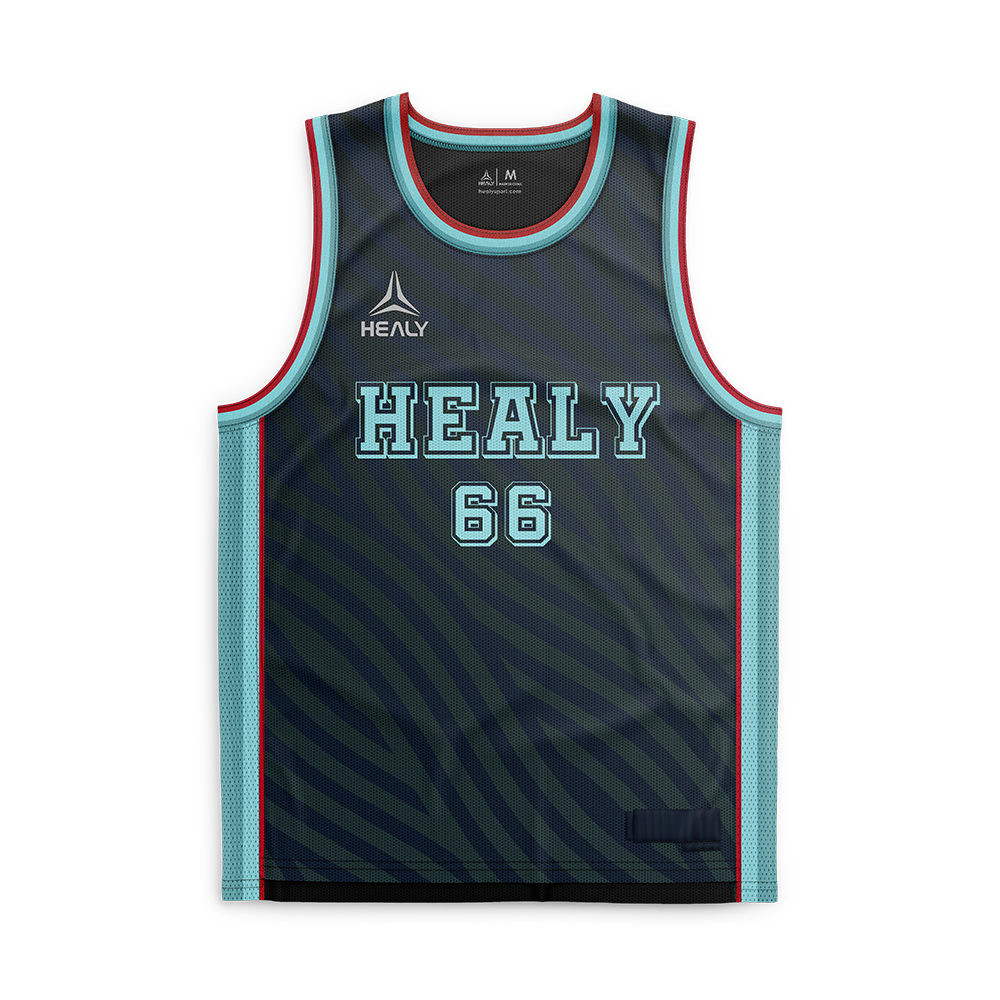
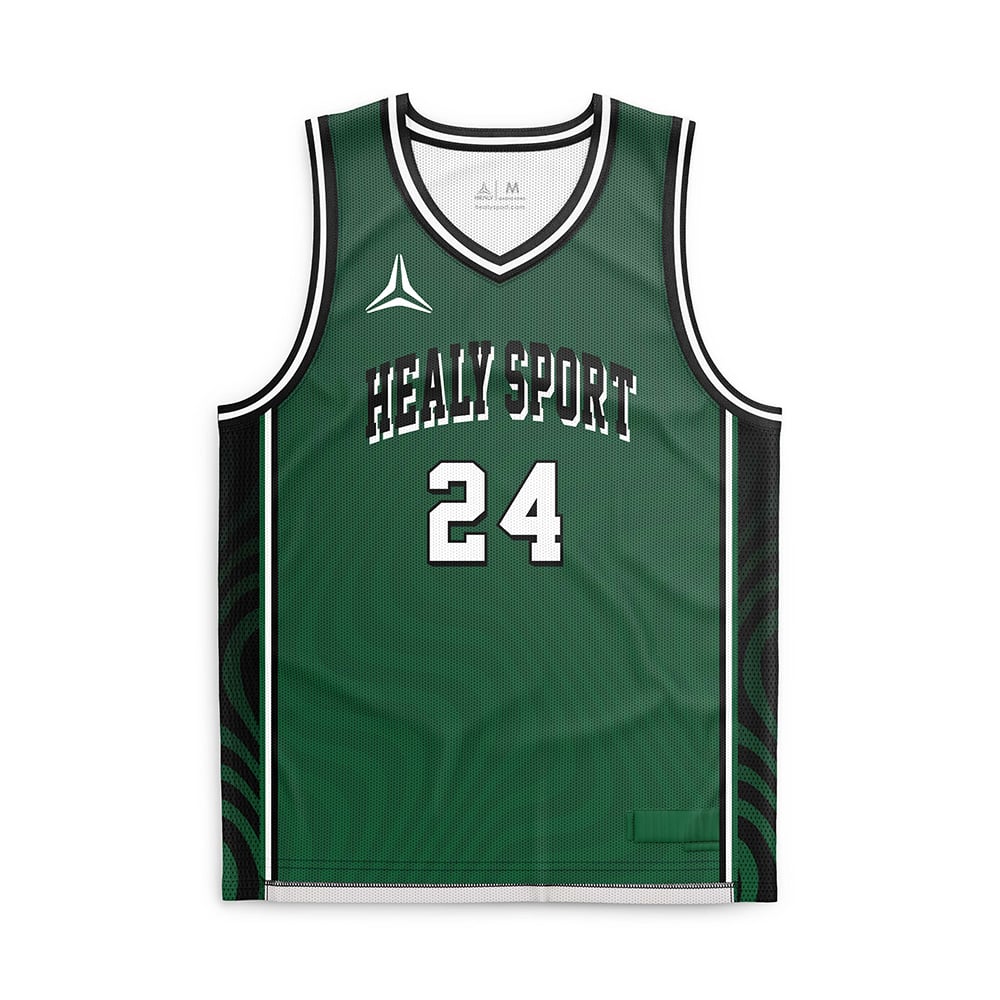
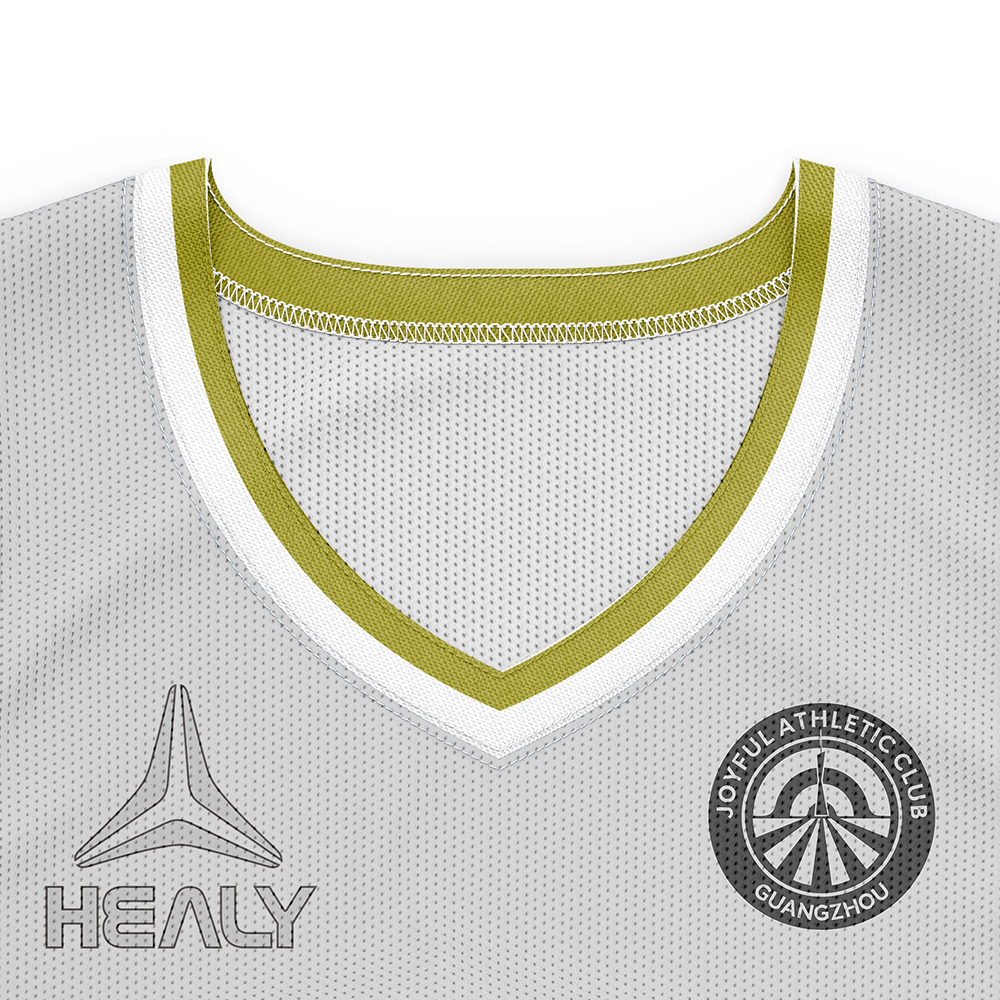
Dyeing is traditionally the most polluting stage of textile production. However, modern Sustainable Activewear facilities employ waterless dyeing technologies or low-bath-ratio machines that recycle up to 90% of water. For printed items like custom reversible basketball jerseys, sublimation printing is preferred over screen printing because it uses less energy and produces zero wastewater runoff. The dyes themselves must be azo-free and biodegradable. Brands must audit their suppliers’ effluent treatment plants to ensure compliance with local environmental laws. This stage defines the ecological footprint of the colorfastness and vibrancy seen in the final Sustainable Activewear products. Without clean processing, even the best recycled fabric becomes part of the problem rather than the solution.
Sustainability includes social responsibility. The sewing phase involves human labor, and ethical Sustainable Activewear production demands fair wages, safe working conditions, and reasonable hours. Certifications like BSCI or SEDEX audits verify these standards. When producing durable items like custom rugby jerseys or protective gear such as custom reinforced goalie pants, skilled craftsmanship is vital. Workers must be trained in techniques that enhance durability, extending the garment’s lifespan—a key pillar of sustainability. Regular on-site inspections ensure that the human element of Sustainable Activewear is treated with dignity. Brands that ignore labor practices risk reputational damage that outweighs any environmental gains. Therefore, social compliance is as integral to the definition of Sustainable Activewear as environmental metrics.
Before shipment, every unit undergoes rigorous QC checks for defects, sizing accuracy, and stitching integrity. For high-performance Sustainable Activewear, functional testing may include abrasion resistance and moisture-wicking validation. Packaging is the final touchpoint. Traditional polybags are being replaced with compostable or recycled paper alternatives, certified by FSC. Hangtags use soy-based inks and recycled cardstock. QR codes on tags link consumers to a digital passport detailing the product’s journey—from bottle to shirt. This transparency builds trust in the Sustainable Activewear brand story. Efficient packing methods also reduce shipping volume, lowering carbon emissions during transit.
On September 16, 2026, a mid-sized fitness retailer in Toronto faced a crisis: their new line of custom stretch golf pants had failed market tests due to inconsistent sizing and poor fabric hand-feel. Their previous supplier lacked integrated quality control and sustainable sourcing verification. They partnered with Healy Sportswear to restart production. Healy implemented a 3D digital sampling process, reducing prototype iterations from five to two. They sourced GRS-certified recycled nylon and utilized smart-cutting technology to minimize waste. The result was a flawless batch of custom stretch golf pants delivered within 14 days of approval, with full traceability documentation provided for marketing. Sales increased by 30% as customers responded positively to the verified sustainability claims. This case illustrates how an integrated, transparent process transforms Sustainable Activewear from a risky venture into a reliable revenue stream.
Creating Sustainable Activewear is a holistic endeavor that touches every link in the supply chain. From digital design to ethical sewing, each stage offers opportunities to reduce impact and enhance value. Brands must demand transparency, leverage technology, and partner with manufacturers who embed sustainability into their core operations. By mastering this process, companies can deliver products that are not only stylish and functional but also ethically sound, securing long-term loyalty in a conscious consumer market.
23 September, 2026
Custom Basketball Jersey Printing Process: From Artwork to Finished Teamwear