EN

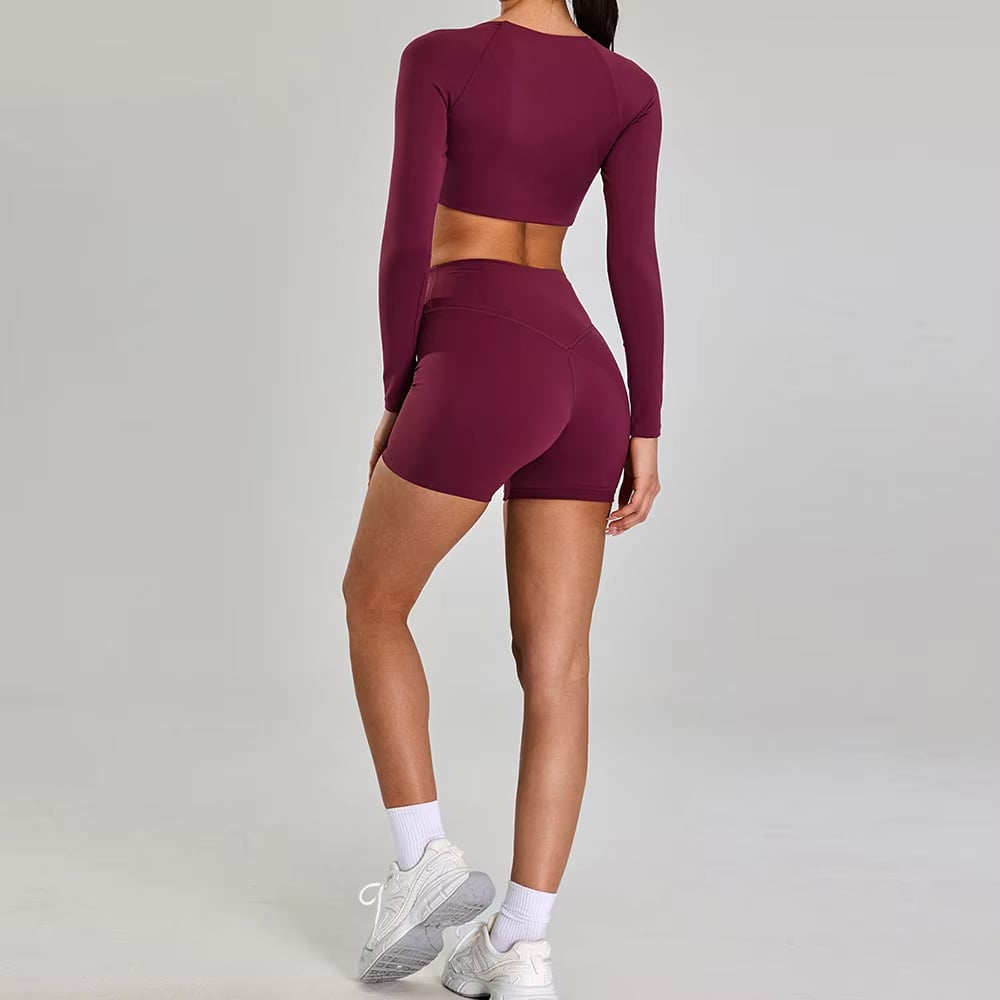
As a Product Development Manager who has spent over a decade navigating the complex landscape of technical textiles, I have learned that sourcing performance fabrics is not merely about buying materials; it is about engineering experiences. The market is flooded with suppliers claiming "cooling," "compression," or "anti-odor" capabilities, yet many brands struggle to deliver on these promises consistently. The core challenge lies in the interplay between these functions. A fabric that provides high compression often traps heat, negating cooling effects. An anti-odor treatment may wash out after ten cycles, leading to customer dissatisfaction. For brands aiming to launch premium Sustainable Activewear, selecting the right supplier requires a rigorous evaluation of technology routes, functional synergy, and long-term durability. This guide dissects the four pillars of performance fabric technology—Cooling, Compression, Anti-Odor, and UV Protection—and provides a strategic framework for evaluating suppliers who can deliver true value in Sustainable Activewear.
To make informed decisions, one must understand the underlying mechanisms of each function. Superficial marketing terms often mask significant differences in efficacy and longevity.
The biggest hurdle in product development is combining these functions without creating conflicts. High compression typically reduces breathability, making cooling difficult. Heavy UV-blocking treatments can stiffen the fabric, ruining the hand-feel of custom raglan sleeve baseball tees. A competent supplier understands how to balance these trade-offs. They use multi-layer constructions or hybrid knits where different zones serve different purposes. For example, the back panel of a jersey might prioritize ventilation and cooling, while the sleeves focus on compression and UV protection. Evaluating a supplier’s ability to manage this complexity is crucial. Ask them to explain how they resolve the tension between warmth retention and moisture management in cold-weather gear versus hot-weather gear. Their answer reveals their depth of technical expertise in Sustainable Activewear innovation.
A feature that fails after five washes is a liability, not a benefit. Many suppliers provide lab reports based on new, unwashed samples. This is misleading. Brands must demand accelerated washing test data (e.g., AATCC standards) showing performance retention after 20, 50, or 100 cycles. Does the cooling effect diminish? Does the compression loosen? Does the anti-odor agent leach out? For custom sports uniforms used in school leagues, durability is paramount due to frequent industrial laundering. Suppliers who cannot provide post-wash performance metrics should be disqualified. Healy Sportswear addresses this by integrating durability testing into their standard QC protocol, ensuring that every batch of Sustainable Activewear meets strict longevity benchmarks. This transparency builds trust with end-users who expect their investment to last.
There is a lingering myth that sustainable fabrics compromise performance. Modern rPET and ECONYL® regenerated nylon match or exceed virgin materials in strength, elasticity, and moisture management. The key is selecting suppliers who invest in R&D for green technologies. Look for certifications like GRS (Global Recycled Standard) and OEKO-TEX. Ensure that functional additives (like silver or titanium) are safe and do not pose environmental hazards during disposal. In Sustainable Activewear, circularity is also becoming important; suppliers should offer take-back programs or design for recyclability. By choosing partners who prioritize both ethics and engineering, brands can appeal to the growing demographic of conscious consumers without sacrificing product quality.
When assessing potential partners, use a structured scorecard. Evaluate them on:
On September 17, 2026, a sports apparel brand in Toronto, Canada, faced a crisis with their summer line. Their previous supplier had provided custom sublimated cheerleading uniforms with a chemical cooling coating that washed out after three cycles, leading to complaints of overheating and skin irritation. Additionally, the UV protection faded rapidly.
The brand partnered with Healy Sportswear to redesign the collection. Healy proposed a solution using rPET yarns infused with ceramic cooling particles and titanium dioxide for permanent UV blocking. They adjusted the knit structure to include mesh ventilation zones for enhanced airflow, balancing the compression needed for stunts with the cooling required for outdoor performances. The new uniforms passed rigorous 50-cycle wash tests, retaining 95% of their cooling and UV properties. Customer satisfaction scores rose by 40%, and returns dropped significantly. This case highlights how selecting a supplier with robust, permanent technology transforms Sustainable Activewear from a marketing gimmick into a reliable performance asset.
Choosing the right performance fabric supplier is a strategic decision that defines your brand’s reputation. It requires looking beyond buzzwords to understand the science of cooling, compression, odor control, and UV protection. Prioritize suppliers who offer durable, integrated technologies rather than temporary coatings. Demand proof of wash-fastness and compliance with sustainability standards. By partnering with experts who understand the nuances of Sustainable Activewear, you can create products that truly enhance athletic performance while respecting the planet. In a competitive market, technical integrity is the ultimate differentiator.
23 September, 2026
Custom Basketball Jersey Printing Process: From Artwork to Finished Teamwear