EN

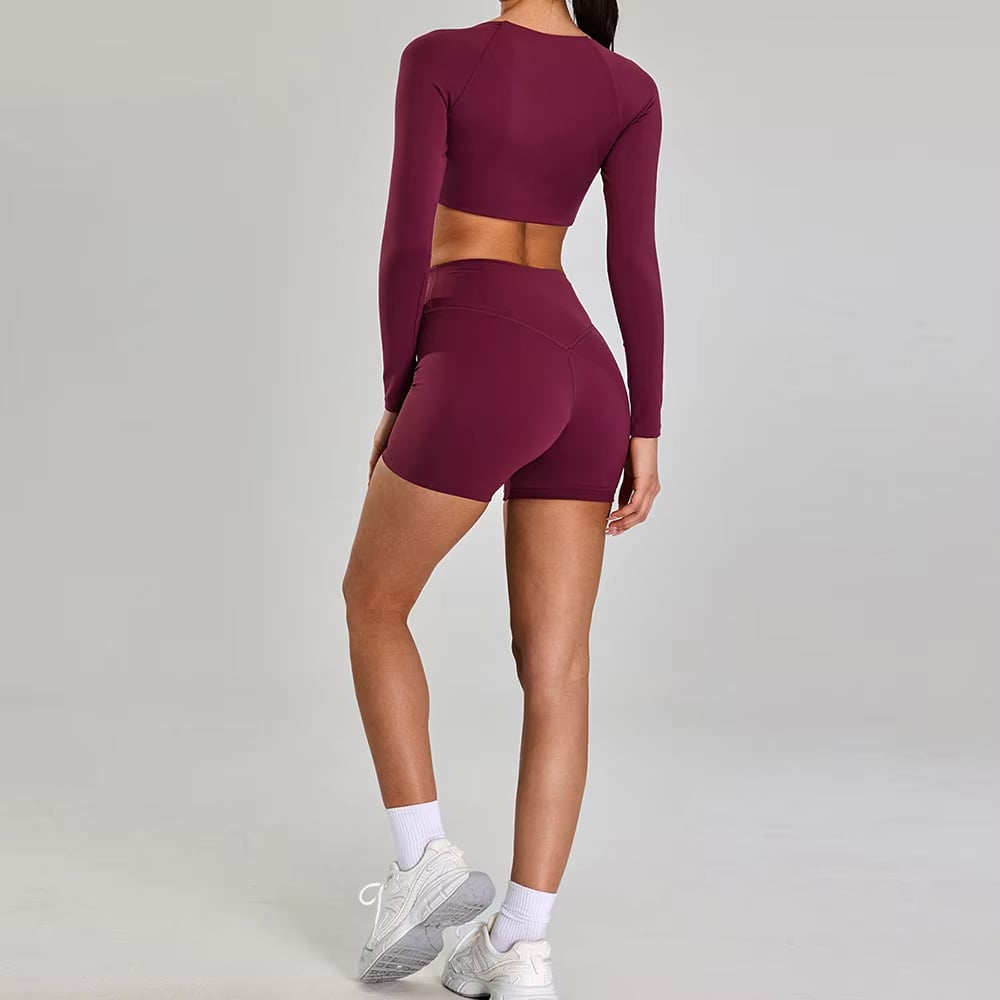
As a Product Development Manager who has overseen the creation of thousands of SKUs across diverse athletic categories, I have learned that fabric selection is not merely a procurement decision; it is the architectural foundation of product performance. The market is saturated with options—Polyester, Nylon, Spandex, and various recycled variants—but there is no single "best" material. Instead, success lies in understanding the unique DNA of each fiber and how they interact within a blend to serve specific sporting needs. Many brands fail because they apply a one-size-fits-all approach, using generic polyester for high-abrasion sports or excessive spandex for low-mobility items. This leads to products that feel cheap, degrade quickly, or fail to perform under stress. To build truly effective Sustainable Activewear, developers must master the science of fiber properties, blending ratios, and scenario-specific matching. This guide provides a comprehensive framework for choosing the right materials, ensuring that every piece of Sustainable Activewear delivers on its promise of durability, comfort, and ethical responsibility.
To make informed decisions, we must first dissect the core characteristics of the four primary players in activewear manufacturing.
Selecting the right base fiber is only half the battle; the blending ratio determines the final performance. A common mistake among novice buyers is assuming "more stretch equals better performance." In reality, excessive spandex content (above 20-25%) often leads to poor recovery, where the garment loses its shape after wear, causing knee bagging or loose waistbands. Conversely, too little spandex (below 5%) results in restrictive movement and discomfort.
For custom stretch yoga joggers, the ideal blend is typically 80-85% Nylon/Polyester with 15-20% Spandex. This high elastane count supports deep stretching poses while the nylon base ensures a buttery-soft hand-feel. In contrast, for custom sublimated cheerleading uniforms, a blend of 90% Polyester and 10% Spandex is preferred. The lower spandex content maintains the structural integrity needed for tumbling and stunts, while the polyester base allows for vibrant, all-over prints without color bleeding. When developing Sustainable Activewear, these ratios must be rigorously tested for wash-fastness to ensure the blend remains stable over time. Healy’s data-driven approach uses proven formulas for each category, preventing the trial-and-error costs associated with improper mixing.
Different sports impose different stresses on fabric. Matching the material to the activity is essential for maximizing both performance and longevity.
A persistent concern in the industry is whether recycled materials compromise performance. Historically, early generations of rPET were less consistent in dye uptake and had weaker tensile strength. Today, advanced recycling technologies have closed this gap. Modern rPET performs identically to virgin polyester in terms of wicking, drying speed, and durability. Similarly, ECONYL® nylon matches virgin nylon in abrasion resistance and elasticity. Brands no longer need to choose between ethics and excellence. By integrating certified recycled fibers into Sustainable Activewear, companies can meet regulatory demands (such as EU EmpCo directives) and consumer expectations without sacrificing technical specs. Key certifications like CE, UKCA, ASTM/CPSIA, REACH, and FSC ensure that these sustainable choices are safe, compliant, and traceable.
Fabric choice significantly impacts unit cost. Virgin Nylon is generally more expensive than Polyester, and Recycled Nylon commands a premium over Virgin Nylon. However, total cost of ownership includes returns and brand reputation. Cheap, low-quality polyester may save cents per yard initially but leads to higher return rates due to poor fit and odor issues. Investing in high-quality blends for Sustainable Activewear reduces customer service costs and builds long-term loyalty. Strategic sourcing involves balancing these factors: using cost-effective rPET for volume items like custom sports uniforms while reserving premium ECONYL for niche, high-margin products like custom stretch cheerleading crop tops.
On September 17, 2026, a mid-sized activewear brand in Toronto, Canada, faced a crisis with their new winter training line. Their initial batch of custom stretch yoga joggers was made from a low-cost polyester-spandex blend that retained odors and lost elasticity after three washes. Customer complaints spiked, threatening the holiday sales season.
The brand partnered with Healy Sportswear to re-engineer the collection. Healy analyzed the failure points and recommended switching to a GRS-certified rPET-Nylon blend with 18% bio-based spandex. They adjusted the knit structure to enhance breathability while maintaining thermal retention for indoor-outdoor transitions. Additionally, Healy applied a permanent antimicrobial treatment derived from natural minerals, avoiding chemical coatings that wash out. The revised Sustainable Activewear line passed rigorous lab tests for wash-fastness and odor control. Upon relaunch, return rates dropped by 60%, and the brand received positive reviews highlighting the improved fit and eco-conscious materials. This case demonstrates how scientific fabric selection transforms Sustainable Activewear from a liability into a competitive advantage.
Choosing between polyester, nylon, spandex, and recycled fabrics is not about picking a winner; it is about selecting the right tool for the job. By understanding the intrinsic properties of each fiber, applying scientifically validated blending ratios, and matching materials to specific athletic scenarios, brands can create Sustainable Activewear that performs exceptionally well. The future of sportswear lies in this precision engineering combined with ethical sourcing. As regulations tighten and consumers become more knowledgeable, the ability to deliver high-performance, verifiable sustainable products will define market leaders. With the right partner and a clear strategy, your next collection can achieve the perfect harmony of function, form, and responsibility.
23 September, 2026
Custom Basketball Jersey Printing Process: From Artwork to Finished Teamwear