EN

As a founder who has navigated the turbulent waters of launching a sportswear brand from scratch, I have learned that the gap between a brilliant concept and a successful product launch is often filled with logistical nightmares. The journey begins with an idea—perhaps a line of high-performance gear made entirely from recycled ocean plastics—but quickly hits a wall when you try to find a manufacturer who can execute it. For many entrepreneurs, the biggest hurdle is not design creativity, but supply chain fragmentation. You need a fabric supplier, a dye house, a printing partner, a sewing factory, and a compliance officer. Coordinating these disparate entities is a full-time job in itself, leading to communication breakdowns, quality inconsistencies, and skyrocketing costs. This is where the true value of Sustainable Activewear solutions lies: not just in the materials, but in the integration of the entire production ecosystem. By partnering with a comprehensive private label provider like Healy Sportswear, brands can bypass the traditional bottlenecks and focus on what matters most—building a loyal community around ethical performance.
The modern consumer demands transparency and speed. They want to know exactly where their clothes come from and how they were made. Traditional manufacturing models fail this test because they are siloed. A brand might source organic cotton from one vendor, have it dyed by another, and sewn by a third. If a defect appears, finger-pointing ensues, and the timeline stretches indefinitely. In contrast, a unified approach to Sustainable Activewear ensures that every step, from raw material selection to final packaging, is controlled under one roof or within a tightly integrated network. This "one-stop" model eliminates the friction of managing multiple vendors. When you work with a partner who handles design development, 3D digital sampling, and mass production internally, you reduce lead times significantly. For example, creating custom sublimated cheerleading uniforms requires precise color matching and durable prints. In a fragmented system, achieving consistency across batches is difficult. In an integrated system, the same team that designs the pattern oversees the printing process, ensuring that the vibrant colors of custom stretch cheerleading crop tops remain true season after season. This holistic control is the foundation of reliable Sustainable Activewear.
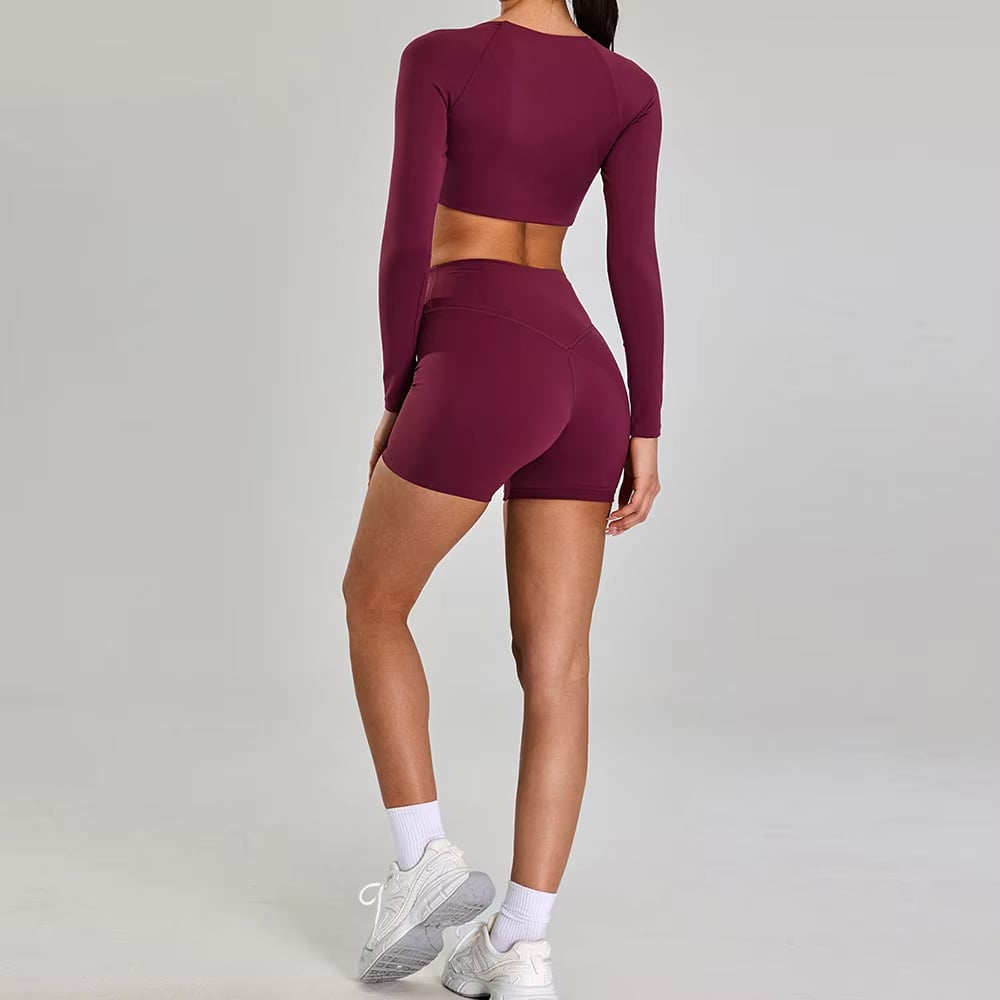
In a crowded market, differentiation is survival. Many startups struggle to stand out because they rely on generic templates provided by factories. However, true brand identity is built on unique design narratives supported by exclusive technical features. With Sustainable Activewear, your story is your strongest asset. But telling that story requires more than marketing copy; it requires tangible proof. A robust private label solution allows brands to customize not just logos, but fabric blends, cut patterns, and functional details. Consider the demand for versatile gym-to-street wear. By leveraging advanced knitting technologies, brands can produce custom stretch yoga joggers that offer compression support without sacrificing comfort. Similarly, for niche sports, specialized cuts are essential. Producing custom side-split tennis skirts requires specific seam allowances to allow for maximum range of motion while maintaining modesty. A sophisticated manufacturer understands these nuances and translates them into production realities. This level of customization transforms generic apparel into proprietary assets, allowing brands to charge a premium for their unique take on Sustainable Activewear.
One of the most pressing concerns for new brands is regulatory compliance. As we move into late 2026, laws like the EU’s EmpCo (Empowering Consumers for the Green Transition) directive are becoming stringent. Using vague terms like "eco-friendly" without substantiation is no longer just bad practice; it is illegal. This poses a significant risk for startups that lack the resources to conduct extensive audits. Here, the role of a certified partner becomes critical. A reputable provider of Sustainable Activewear comes equipped with a suite of certifications, including GRS (Global Recycled Standard), OEKO-TEX, BSCI, CE, UKCA, ASTM/CPSIA, FSC, and REACH. These documents serve as the legal backbone of your brand’s claims. When you order custom rugby jerseys made from recycled polyester, you receive the chain-of-custody certificates proving the origin of the fibers. This documentation protects you from accusations of greenwashing and builds trust with discerning consumers. Without this compliance infrastructure, even the best-intentioned Sustainable Activewear project can collapse under legal scrutiny.
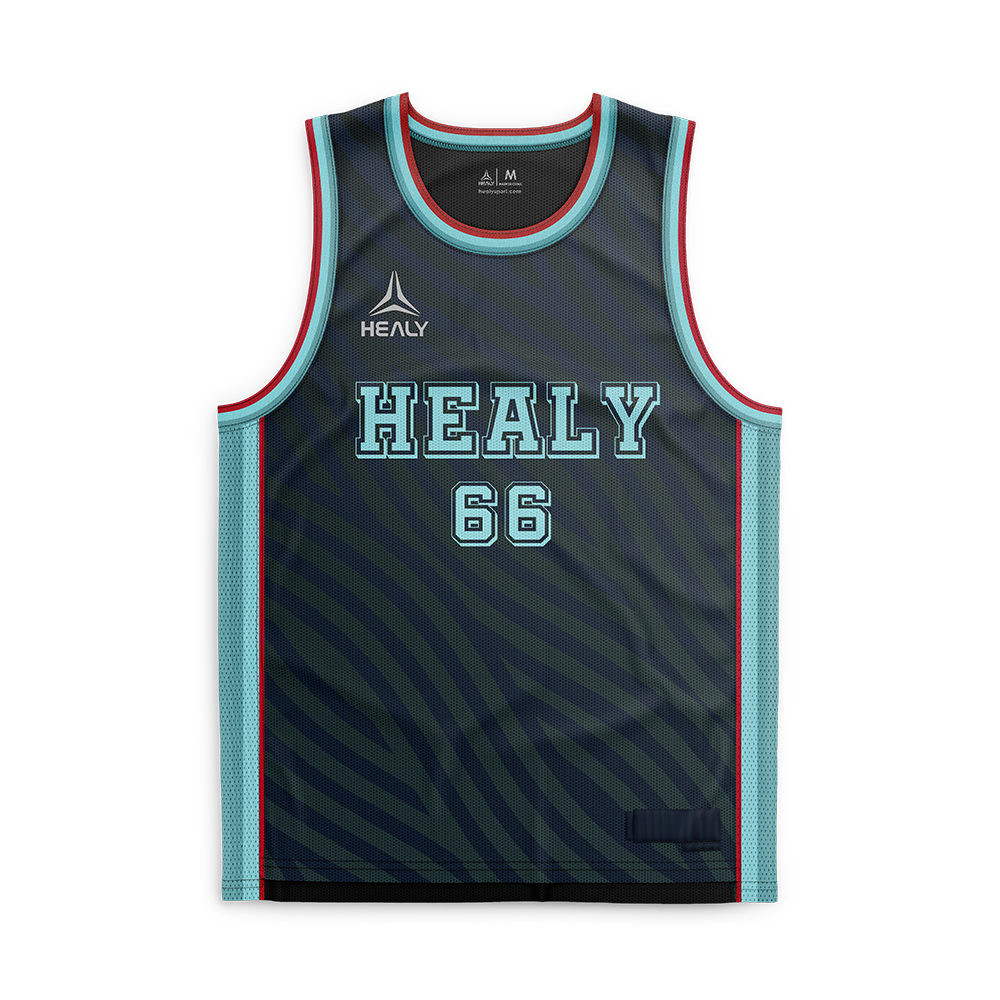
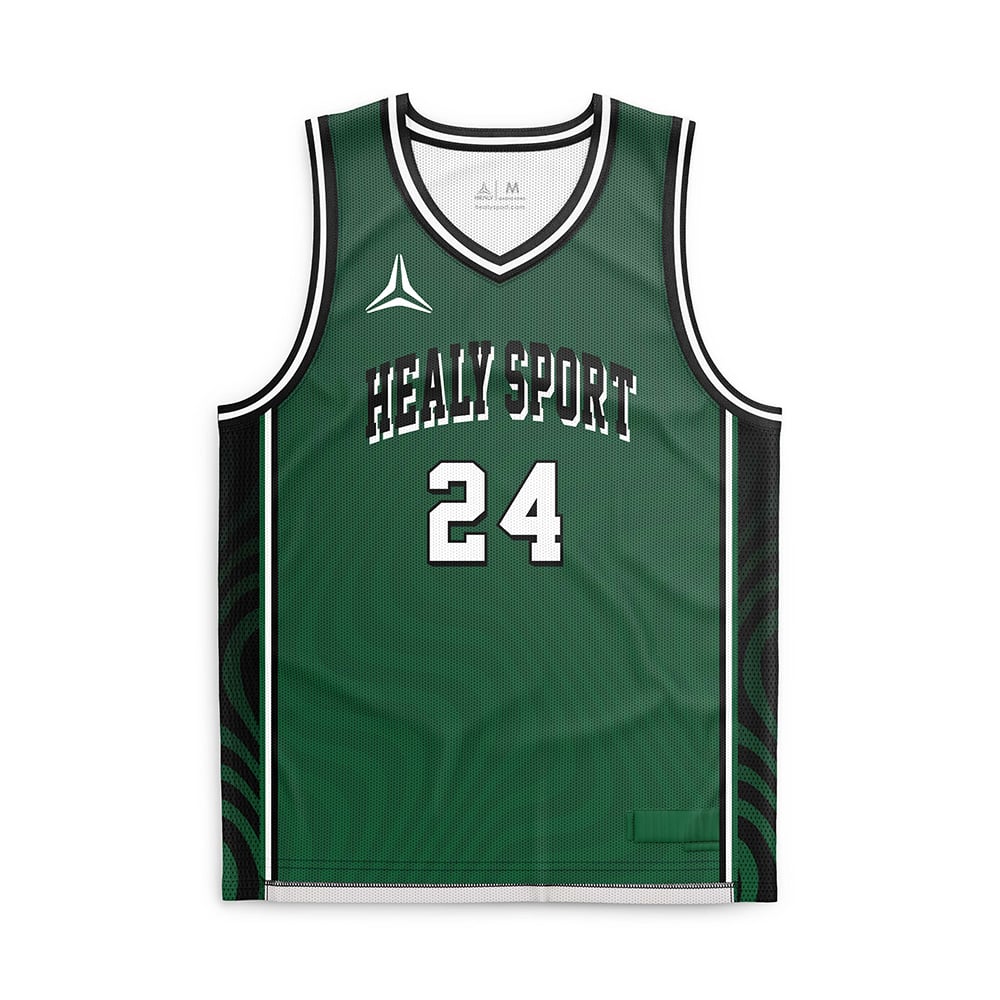
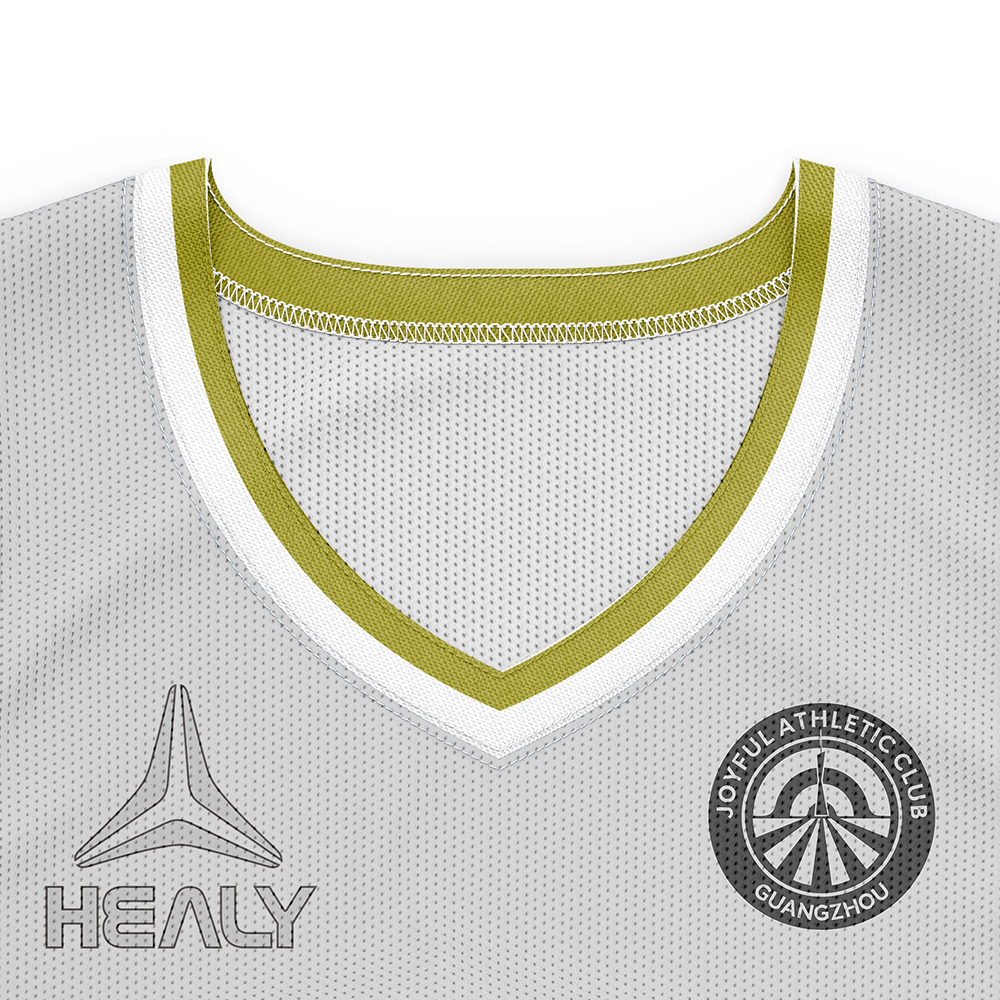
Cash flow is the lifeblood of any startup. Traditional manufacturers often impose Minimum Order Quantities (MOQs) of 500 to 1,000 units per style, which is prohibitive for new brands testing the market. This rigid structure forces founders to choose between debt and obsolescence. The future of Sustainable Activewear lies in flexibility. Modern ODM/OEM partners have adapted to the gig-economy mindset by offering low MOQs, sometimes as low as 50 sets. This allows brands to launch custom reversible basketball jerseys in limited editions to gauge customer response before committing to large-scale production. It also enables rapid iteration. If feedback indicates that the fit of custom reinforced goalie pants needs adjustment, a flexible supply chain allows for quick re-sampling and minor tweaks without halting the entire business. This agility reduces inventory risk and ensures that capital is invested in products that actually sell. For a startup, this financial safety net is indispensable when navigating the uncertainties of the Sustainable Activewear market.
To illustrate the power of integrated solutions, consider the case of "Apex Athletics," a startup founded in Toronto, Canada. On September 16, 2026, Apex faced a critical deadline: they needed to launch their debut collection of custom raglan sleeve baseball tees and matching shorts for the upcoming autumn league season. Previous attempts with local suppliers had failed due to inconsistent sizing and delayed deliveries caused by miscommunication between the fabric mill and the sewing plant.
Apex partnered with Healy Sportswear. Within two weeks, Healy’s internal design team refined the tech packs for the custom raglan sleeve baseball tees, using 3D visualization to approve fits digitally, saving valuable time. Healy sourced GRS-certified organic cotton blends, providing all necessary compliance documentation upfront to satisfy Canadian import regulations. With a low MOQ of 100 units, Apex was able to fund the initial batch without taking on excessive debt. The production run was tracked via a real-time dashboard, giving the founders peace of mind. The goods arrived three days early, perfectly timed for the season opener. The campaign highlighted the traceable sustainability of the products, resonating strongly with eco-conscious parents and players. This success story underscores how a seamless, compliant, and flexible approach to Sustainable Activewear can turn a risky venture into a profitable reality.
Launching a sportswear brand today is not just about selling clothes; it is about delivering a promise of integrity, performance, and responsibility. The challenges of sourcing, compliance, and inventory management can overwhelm even the most passionate entrepreneurs. However, by choosing a partner that offers end-to-end Sustainable Activewear solutions, brands can mitigate these risks. From the strategic use of certified materials to the operational efficiency of low-MOQ production, the right infrastructure empowers creators to focus on innovation rather than logistics. As the industry evolves towards greater transparency and sustainability, those who integrate these values into their core operations will define the next generation of athletic apparel.
23 September, 2026
Custom Basketball Jersey Printing Process: From Artwork to Finished Teamwear