EN

As a Fabric Sourcing Manager who has spent over a decade analyzing textile specifications and conducting wear tests, I have learned that the most common complaint from brands is not about price, but about performance inconsistency. Suppliers often promise "super-stretch" or "ultimate breathability," yet the final product fails to deliver in real-world scenarios. The core challenge lies in the inherent tension between three critical performance metrics: elasticity, breathability, and moisture-wicking. These attributes often compete against one another; increasing stretch usually requires more elastane, which can trap heat and reduce airflow. Conversely, maximizing ventilation through open knits can compromise structural integrity and compression. For brands aiming to launch high-quality Sustainable Activewear, understanding how to balance these forces is essential. This guide dissects the science behind performance fabrics, offering a systematic framework for selecting materials that meet specific athletic demands while adhering to ethical standards. By mastering the interplay of these properties, buyers can ensure their Sustainable Activewear collections perform as promised, season after season.
Elasticity in activewear is primarily driven by the inclusion of spandex (elastane) fibers. However, more is not always better. A common mistake among novice buyers is requesting high spandex content (20%+) to achieve maximum stretch, only to find that the garments lose shape after minimal use, leading to "knee bagging" or loose waistbands. In high-performance Sustainable Activewear, the goal is not just initial stretch, but excellent recovery—the ability of the fabric to return to its original form after deformation.
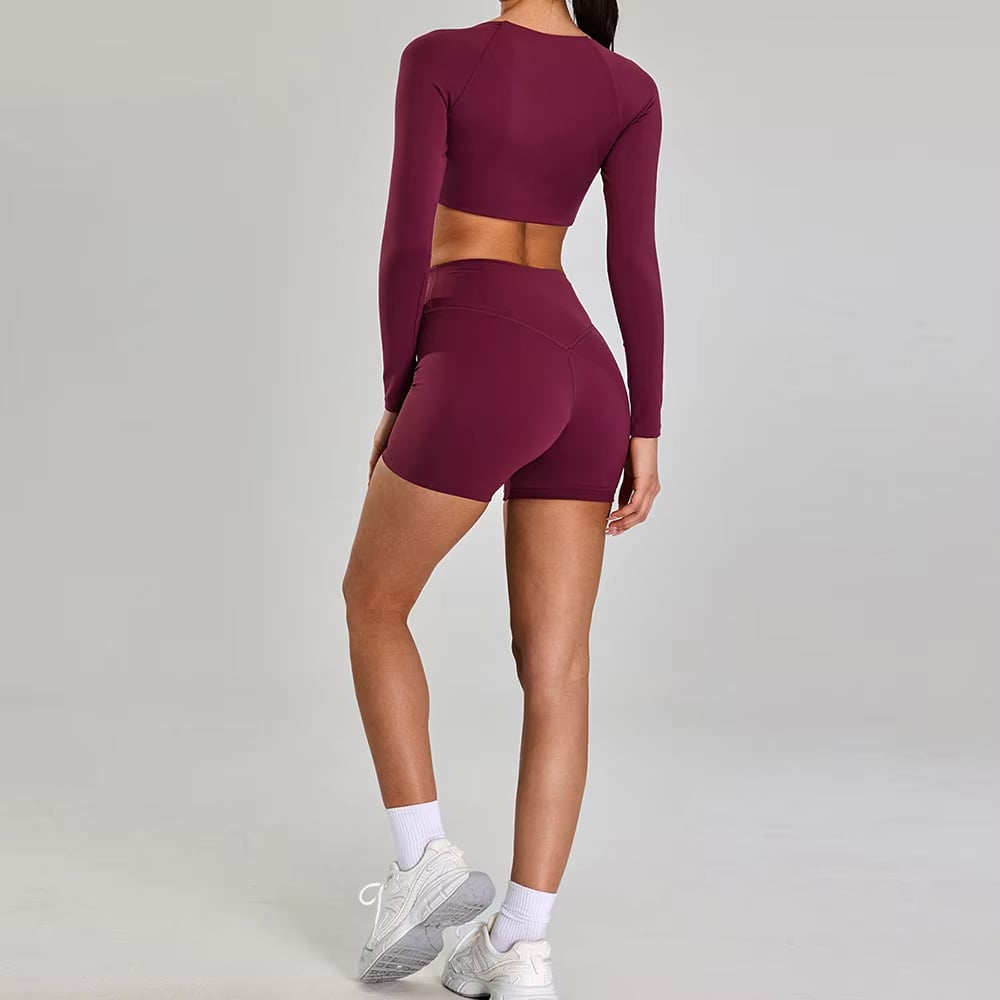
For items like custom stretch yoga joggers, a blend of 12-18% spandex with recycled polyester (rPET) offers the ideal balance. This ratio provides sufficient four-way stretch for deep squats and lunges while maintaining enough structure to prevent sagging. Similarly, custom stretch cheerleading crop tops require higher compression support, often utilizing 15-20% bio-based elastane to stabilize muscles during jumps and flips without restricting blood flow. When sourcing Sustainable Activewear, it is crucial to verify the type of elastane used. Traditional spandex is derived from petroleum, whereas new innovations include bio-based variants that offer comparable performance with a reduced carbon footprint. Testing recovery rates via standardized lab protocols ensures that your Sustainable Activewear maintains its fit throughout its lifecycle, enhancing durability and consumer satisfaction.
Breathability is often misunderstood as simply being "thin." In reality, effective air circulation depends on the knit structure and fiber cross-section rather than just weight. Dense, smooth fabrics may feel cool initially but trap heat during intense activity. To create truly breathable Sustainable Activewear, manufacturers employ engineered mesh zones and open-knit constructions.
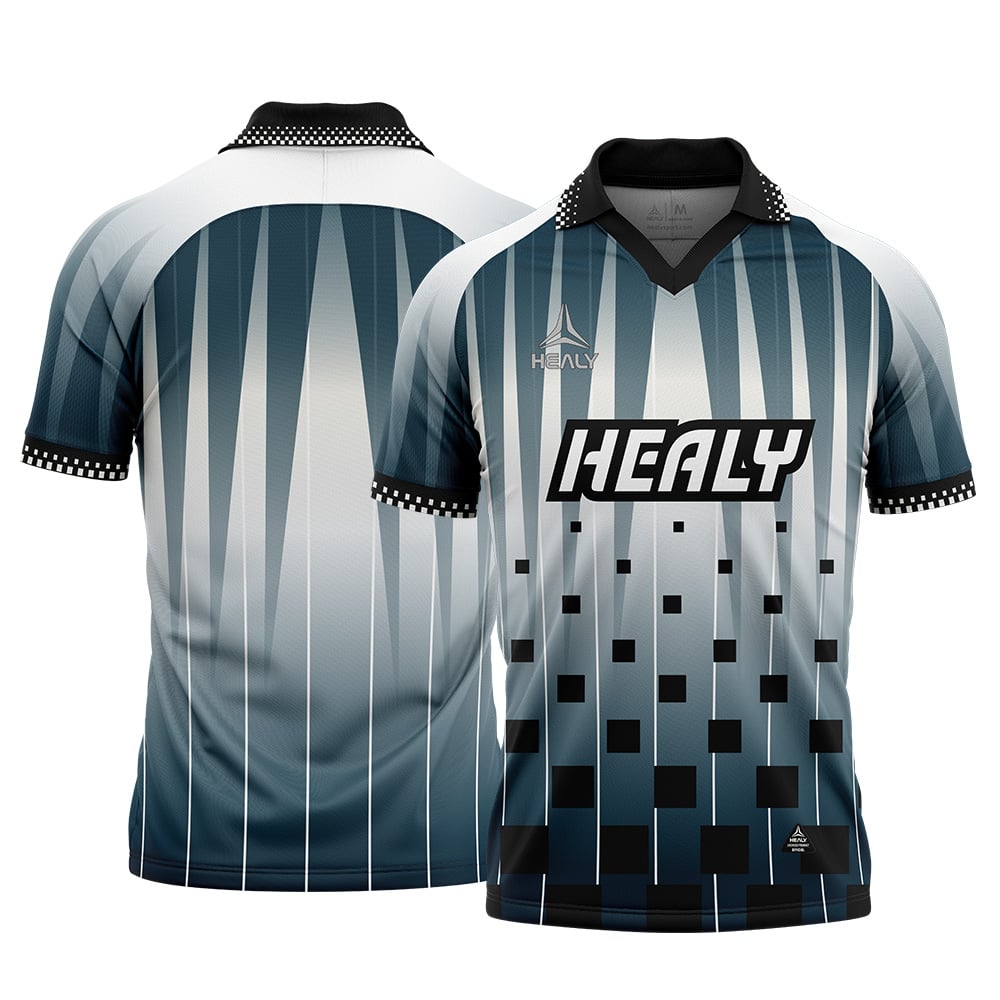
For example, custom side-split tennis skirts benefit from laser-cut perforations in high-sweat areas like the back panel, allowing hot air to escape while maintaining modesty and coverage. In team sports, custom rugby jerseys utilize heavy-weight nylon blends with large-gauge mesh structures. This design facilitates rapid air exchange, preventing overheating during scrums and tackles. When evaluating samples for Sustainable Activewear, buyers should look beyond the label and assess the physical architecture of the fabric. Does it allow light to pass through? Is there a distinct difference in density between the body and sleeve panels? Effective breathability management reduces the reliance on chemical cooling agents, which can wash out over time, ensuring that the comfort level of your Sustainable Activewear remains consistent even after multiple laundry cycles.
Moisture management is arguably the most critical factor in perceived quality. Many low-cost Sustainable Activewear products rely on hydrophilic coatings to wick sweat away from the skin. While effective initially, these coatings degrade after 10-20 washes, leading to a clammy, uncomfortable experience. Premium brands must insist on permanent moisture-wicking technologies embedded directly into the fiber structure.
This is achieved through异形截面纤维 (special-shaped cross-section fibers), such as those resembling clover leaves or wind turbines. These shapes create capillary channels that pull sweat from the inner layer to the outer surface for evaporation. For instance, custom sublimated cheerleading uniforms made with rPET featuring channelled fibers will keep athletes dry during long routines. Similarly, custom reinforced goalie pants need this technology to manage perspiration under protective pads. When specifying Sustainable Activewear, request data on "wash-fastness" for wicking properties. High-quality recycled polyester maintains its hydrophobic/hydrophilic balance indefinitely because the effect is physical, not chemical. This longevity aligns perfectly with the sustainability ethos, as longer-lasting garments reduce waste. Ensuring your Sustainable Activewear uses structural wicking methods guarantees performance reliability and upholds the brand’s commitment to eco-friendly practices.
The true art of fabric selection lies in balancing stretch, breathability, and wicking. A fabric optimized for one often neglects another. For example, a highly compressed garment might restrict airflow, while an extremely breathable mesh might lack the structural support needed for heavy lifting. Brands must define their primary use case to prioritize these traits.
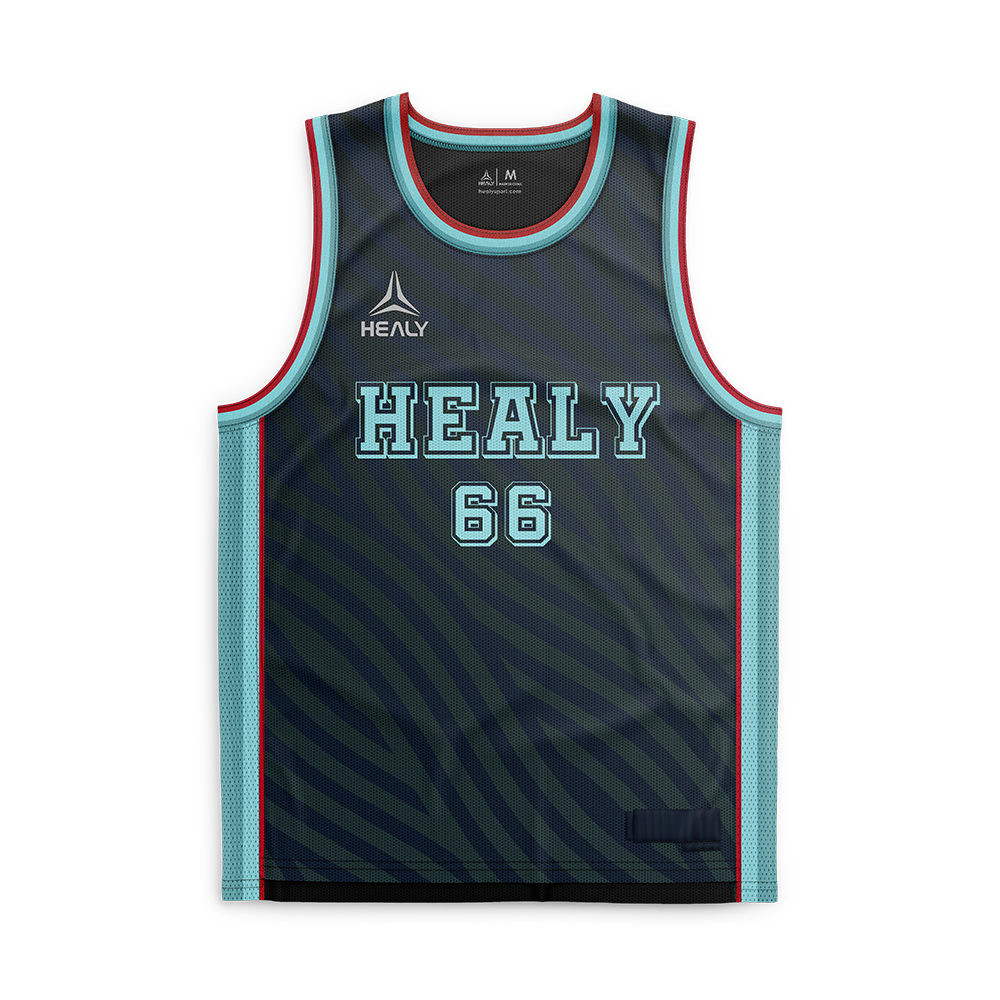
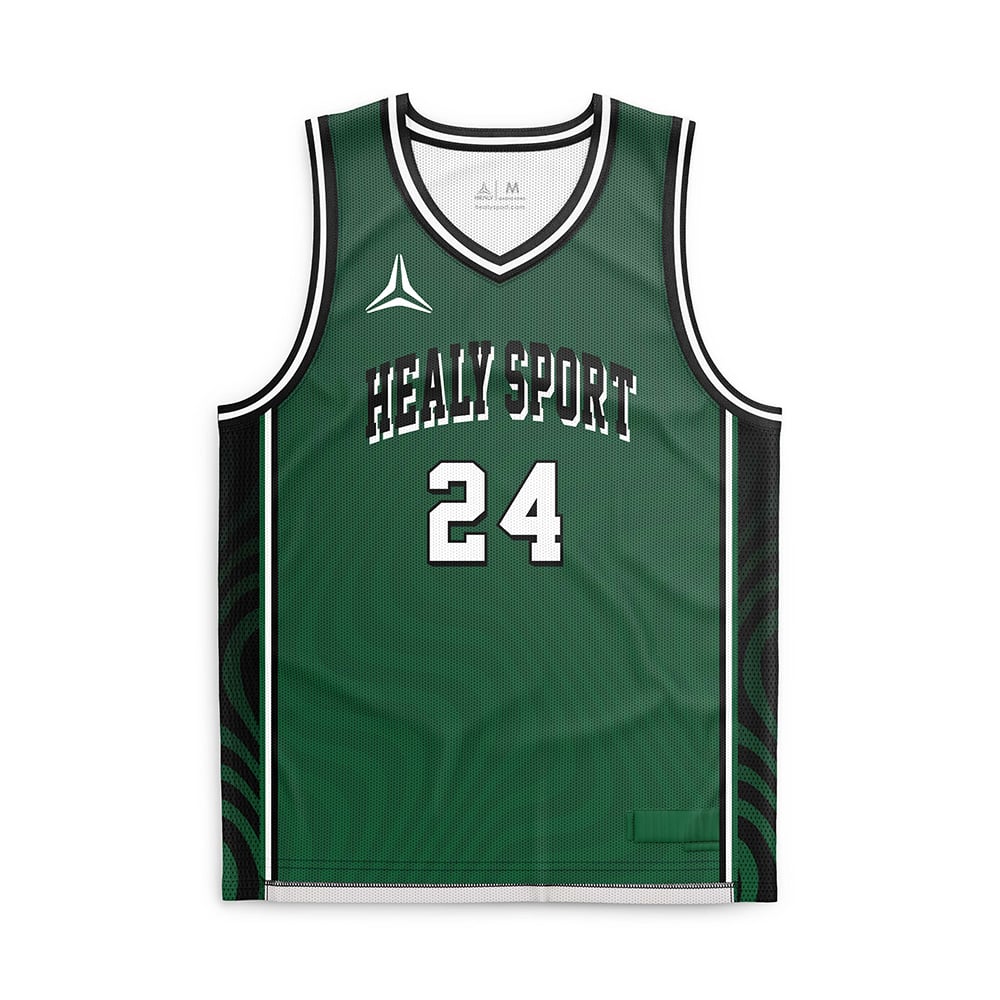
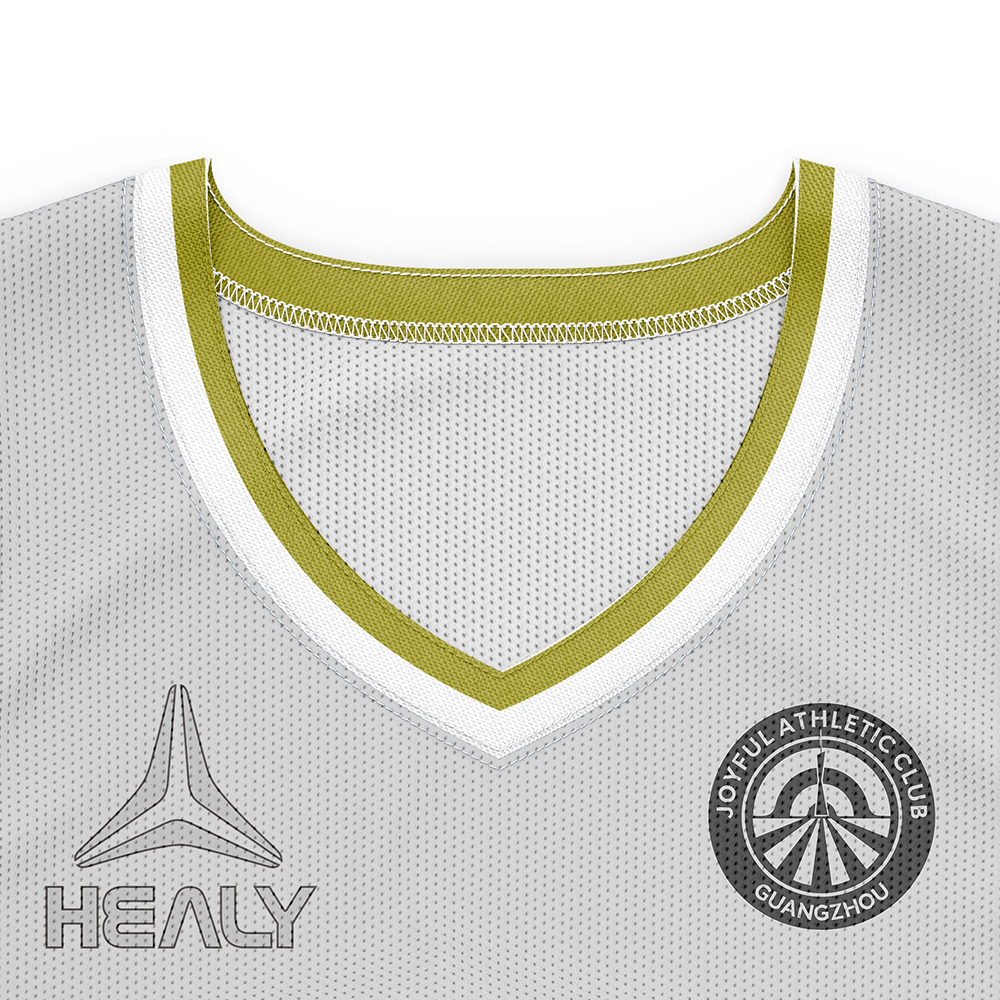
Consider custom reversible basketball jerseys. These require moderate stretch for movement, high breathability for indoor courts, and strong wicking for intense sprints. A blend of 85% rPET and 15% elastane with a double-knit construction achieves this synergy. On the other hand, custom raglan sleeve baseball tees are less demanding, prioritizing soft hand-feel and casual breathability over extreme technical performance. Organic cotton blends work well here, provided they are treated for shrinkage resistance. In the realm of Sustainable Activewear, finding this sweet spot requires rigorous prototyping. Healy Sportswear’s approach involves testing each fabric combination against specific sport biomechanics, ensuring that the final Sustainable Activewear product delivers holistic performance rather than isolated feature marketing.
Different sports impose different stresses on fabric. Systematic matching prevents costly returns and enhances brand reputation.
By categorizing Sustainable Activewear based on these functional needs, buyers can curate collections that resonate with specific athlete profiles, ensuring that every item serves a purpose beyond aesthetics.
Historically, there was a perception that eco-friendly fabrics compromised performance. Today, advanced recycling technologies have closed this gap. Recycled polyester (rPET) performs identically to virgin polyester in terms of strength and wicking. ECONYL® nylon offers exceptional durability for outdoor gear. Even organic cotton, when blended with synthetic fibers, can enhance breathability in casual Sustainable Activewear. Brands no longer need to choose between ethics and excellence. With proper engineering, Sustainable Activewear can outperform conventional materials in longevity and comfort, proving that responsibility and performance are mutually reinforcing goals.
On September 17, 2026, a prominent fitness retailer in Toronto, Canada, faced a crisis with their autumn collection. Their previous supplier had delivered custom stretch golf pants that claimed to be "moisture-wicking" but relied on chemical coatings. After two weeks of sales, customer complaints surged regarding odor retention and loss of shape. The retailer partnered with Healy Sportswear to re-engineer the line.
Healy replaced the coated fabric with a GRS-certified rPET blend using channelled-fiber technology. They adjusted the elastane content from 25% to 14% to improve recovery and reduce knee bagging. Additionally, they introduced laser-perforated vents in the rear yoke for enhanced breathability. The new batch of Sustainable Activewear passed rigorous wash tests, retaining 95% of its wicking efficiency after 50 cycles. Customer satisfaction scores rose by 40%, and return rates dropped significantly. This case illustrates how scientific fabric selection transforms Sustainable Activewear from a liability into a competitive advantage.
Selecting the best performance fabrics for Sustainable Activewear requires a deep understanding of material science and practical application. It is not enough to buy "recycled" or "stretchy"; one must engineer solutions that balance elasticity, breathability, and moisture management for specific sports contexts. By prioritizing structural performance over chemical shortcuts and leveraging verified sustainable materials, brands can create products that endure both physically and ethically. As the market matures, consumers will reward those who deliver transparent, high-performing Sustainable Activewear that respects both the athlete and the planet.
23 September, 2026
Custom Basketball Jersey Printing Process: From Artwork to Finished Teamwear