EN

In the intricate world of sportswear development, fabric selection is not merely a logistical decision; it is the foundation of product performance, brand identity, and customer satisfaction. As a Product Development Manager with over a decade of experience in global sourcing, I have witnessed countless brands struggle with "fabric paralysis." They are bombarded with options—fleece, polyester, spandex, breathable meshes—and lack a systematic framework to choose the right material for the right application. This often leads to products that feel like plastic, fail during intense workouts, or lose their shape after a single wash. The difference between a generic garment and a premium performance piece lies in the expertise of the tracksuit manufacturer. A skilled tracksuit manufacturer does not just sew clothes; they engineer comfort through precise fiber blending and structural design. This guide demystifies the four core fabrics used in modern tracksuits, offering a strategic roadmap for brands seeking a partner who understands the science behind the stitch.
To make informed decisions, one must first understand the intrinsic properties of each material. A reputable tracksuit manufacturer will provide detailed technical sheets for these components, but understanding the basics is crucial for any buyer.
When selecting materials, brands must weigh trade-offs. A comparative matrix helps visualize these differences, guiding conversations with potential partners.
Understanding this matrix allows you to critique proposals from any tracksuit manufacturer. If they offer a single fabric solution for all your SKUs, they lack the nuance required for diverse athletic needs.
Fabric choice must align with the specific demands of the sport. A versatile tracksuit manufacturer categorizes their offerings by use-case.
For Team Sports (Rugby, Football): Durability and impact resistance are paramount. Here, the tracksuit manufacturer should prioritize heavy-duty polyester-cotton blends or reinforced nylon panels. The focus is on surviving tackles and repeated washing cycles. Color fastness is also critical, requiring a tracksuit manufacturer that uses high-grade reactive dyes compliant with REACH regulations.
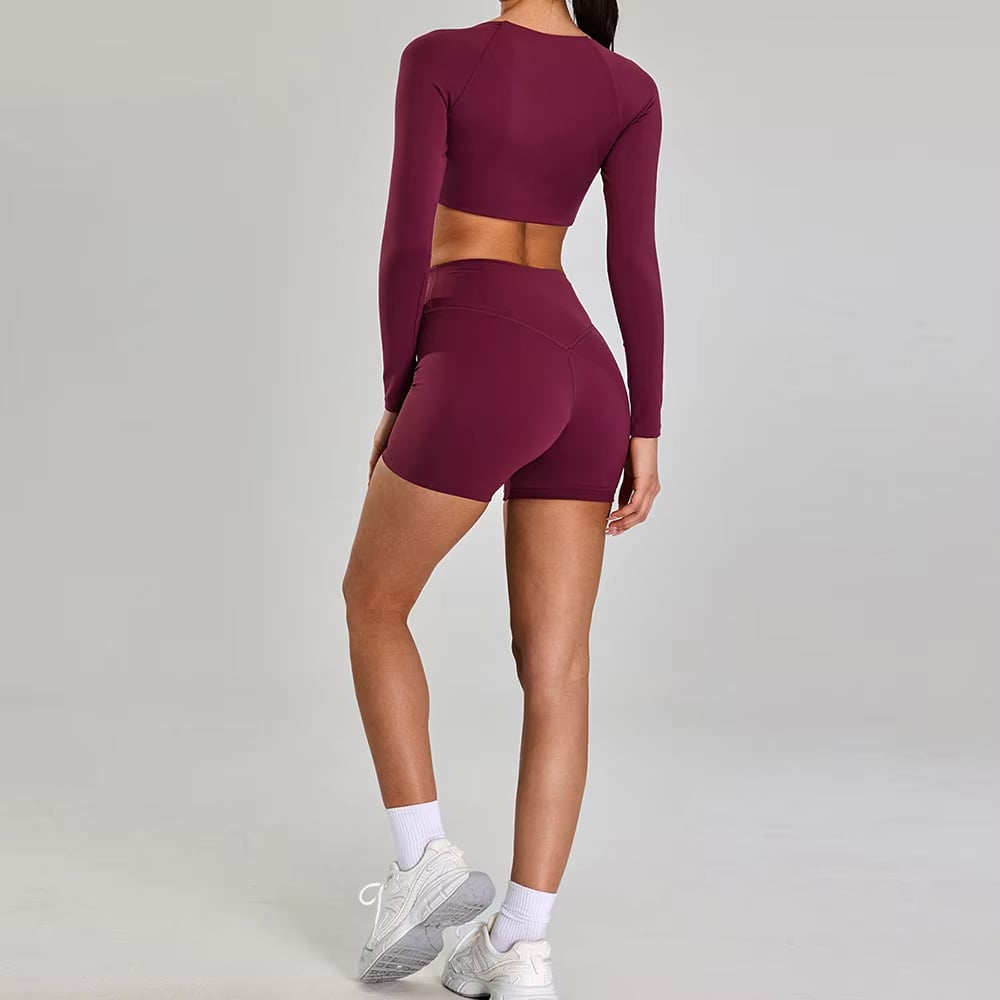
For Gym & Fitness (Yoga, HIIT): Stretch and squat-proof opacity are key. The ideal blend is high-spandex content (8-12%) combined with matte-finish polyester to prevent shine. A skilled tracksuit manufacturer will test for four-way stretch and recovery rates to ensure the garment retains its shape post-workout.
For Outdoor Running: Wind resistance and breathability take precedence. Lightweight windbreaker fabrics with mesh inserts are preferred. The tracksuit manufacturer must balance weight reduction with thermal protection, often using layered constructions that trap air without adding bulk.
Healy Sportswear covers 14 sports categories, allowing them to act as a consultative tracksuit manufacturer. They do not push a single catalog but tailor recommendations based on the client’s specific athletic niche. This adaptability distinguishes a professional tracksuit manufacturer from a commodity supplier.
There is no universal "golden ratio," but there are scientific baselines. A common misconception is that higher spandex always equals better performance. In reality, exceeding 15% spandex can compromise fabric stability and increase production costs unnecessarily. A reliable tracksuit manufacturer advises on optimal blends:
When negotiating with a tracksuit manufacturer, request swatch samples at varying ratios. Test them for elongation and recovery. If the tracksuit manufacturer cannot demonstrate data-backed reasoning for their suggested blends, they may be prioritizing ease of production over product quality. Healy’s integrated design team works directly with production to validate these ratios, ensuring that the final output from the tracksuit manufacturer meets both aesthetic and functional goals.
Modern consumers demand eco-friendly options. Recycled Polyester (rPET), derived from plastic bottles, now performs nearly identically to virgin polyester. Organic cotton and biodegradable elastanes are also emerging. However, sustainability must not degrade performance. A forward-thinking tracksuit manufacturer offers certified sustainable lines that meet OEKO-TEX Standard 100 and GRS (Global Recycled Standard) requirements.
Healy addresses this by sourcing pre-approved sustainable fabrics, ensuring compliance with strict EU and US environmental laws. Choosing a tracksuit manufacturer with transparent supply chains mitigates regulatory risks and appeals to conscious buyers. Always verify if the tracksuit manufacturer holds FSC certification for packaging, as this completes the sustainable narrative.
Consider the case of a fitness apparel brand in Toronto, Canada. On September 11, 2026, they needed to launch a winter training line ahead of the October season. Their previous supplier had provided heavy fleece that caused overheating during indoor sessions and lacked wind resistance outdoors.
Healy Sportswear intervened as their strategic tracksuit manufacturer. Analyzing the dual-use requirement (indoor/outdoor), Healy recommended a hybrid construction: a lightweight, wind-resistant nylon shell for the front torso, paired with breathable polyester-spandex side panels and back yokes. For the interior, they used a micro-fleece lining only in high-warmth zones. This targeted approach resolved the "too hot/too cold" dilemma. The tracksuit manufacturer also ensured all materials met CE and UKCA safety standards. The result was a best-selling line praised for its versatility and comfort, proving how a responsive tracksuit manufacturer can solve complex product challenges through intelligent fabric engineering.
Selecting the right fabric is a multidimensional puzzle involving physics, biology, and market trends. It requires a partner who looks beyond cost per meter to consider long-term performance and user experience. Brands cannot afford to rely on trial and error when dealing with a tracksuit manufacturer.
Healy Sportswear exemplifies the ideal partner, combining 16+ years of industry knowledge with agile production capabilities. Their ability to customize blends, test rigorously, and adhere to global compliance standards makes them a trusted tracksuit manufacturer for global expansion. By choosing an expert tracksuit manufacturer, brands ensure their products deliver on the promise of performance. In the end, the quality of your tracksuit is defined by the intelligence of your fabric choices, and those choices are best guided by a seasoned tracksuit manufacturer who understands that every thread matters.
23 September, 2026
Custom Basketball Jersey Printing Process: From Artwork to Finished Teamwear