EN
EN

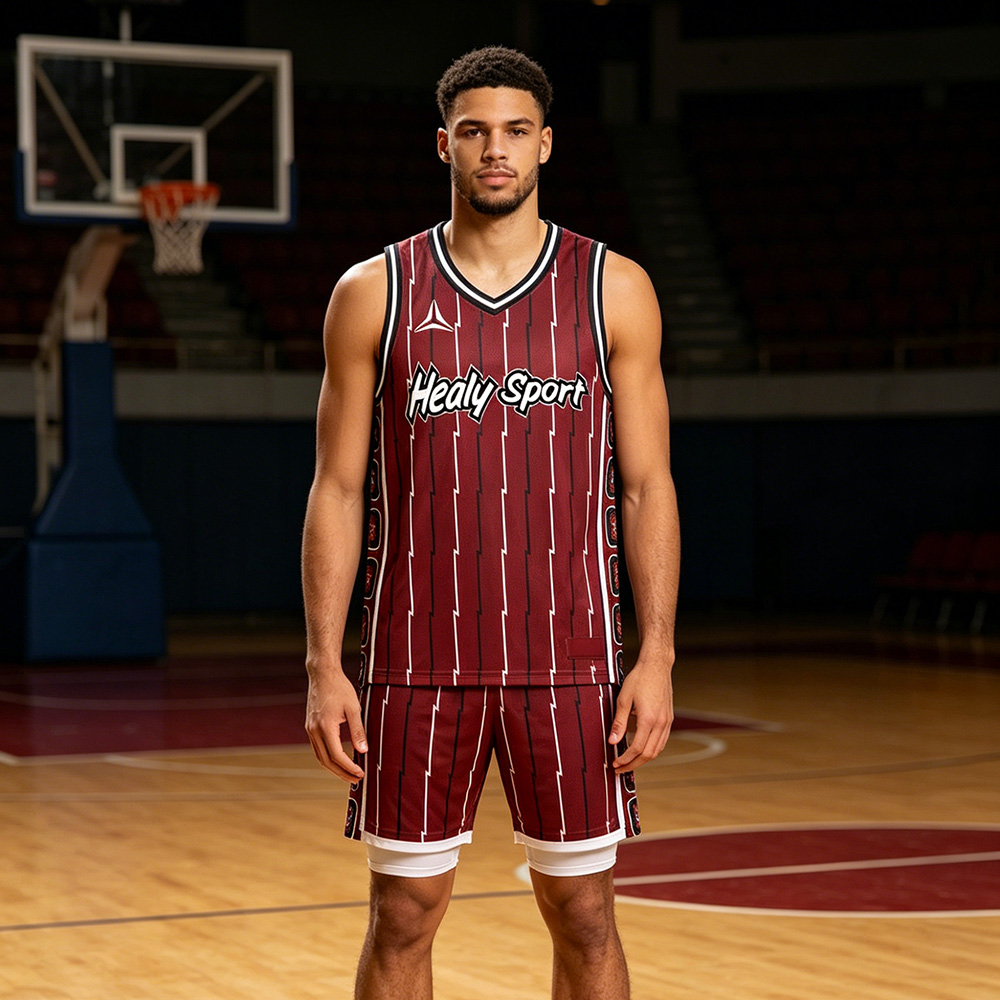
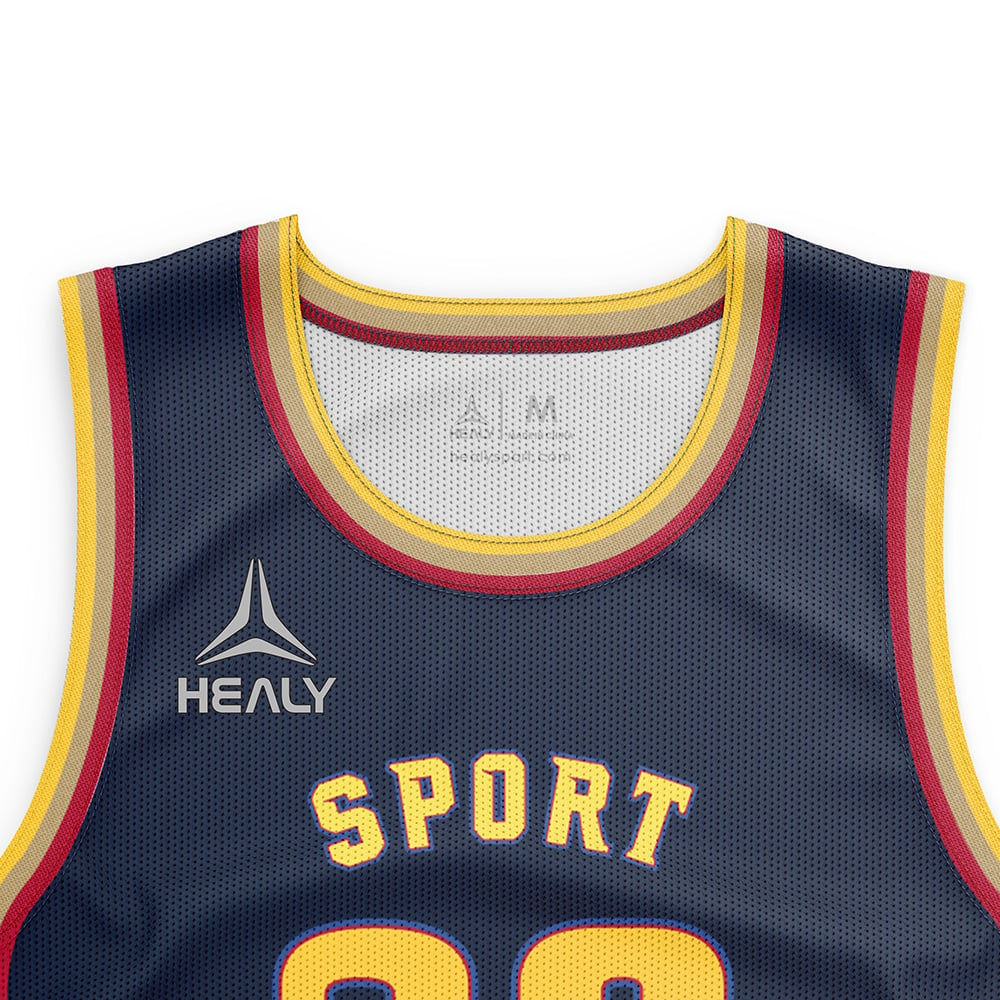
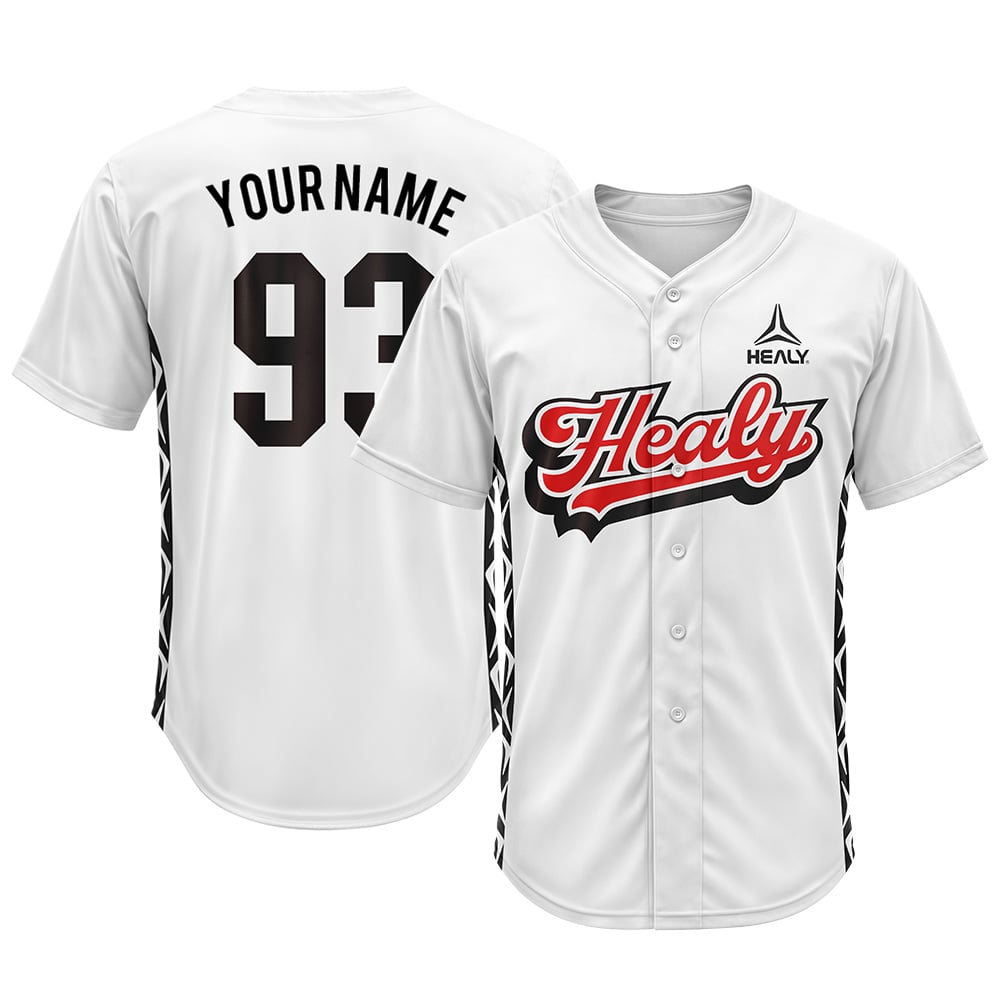
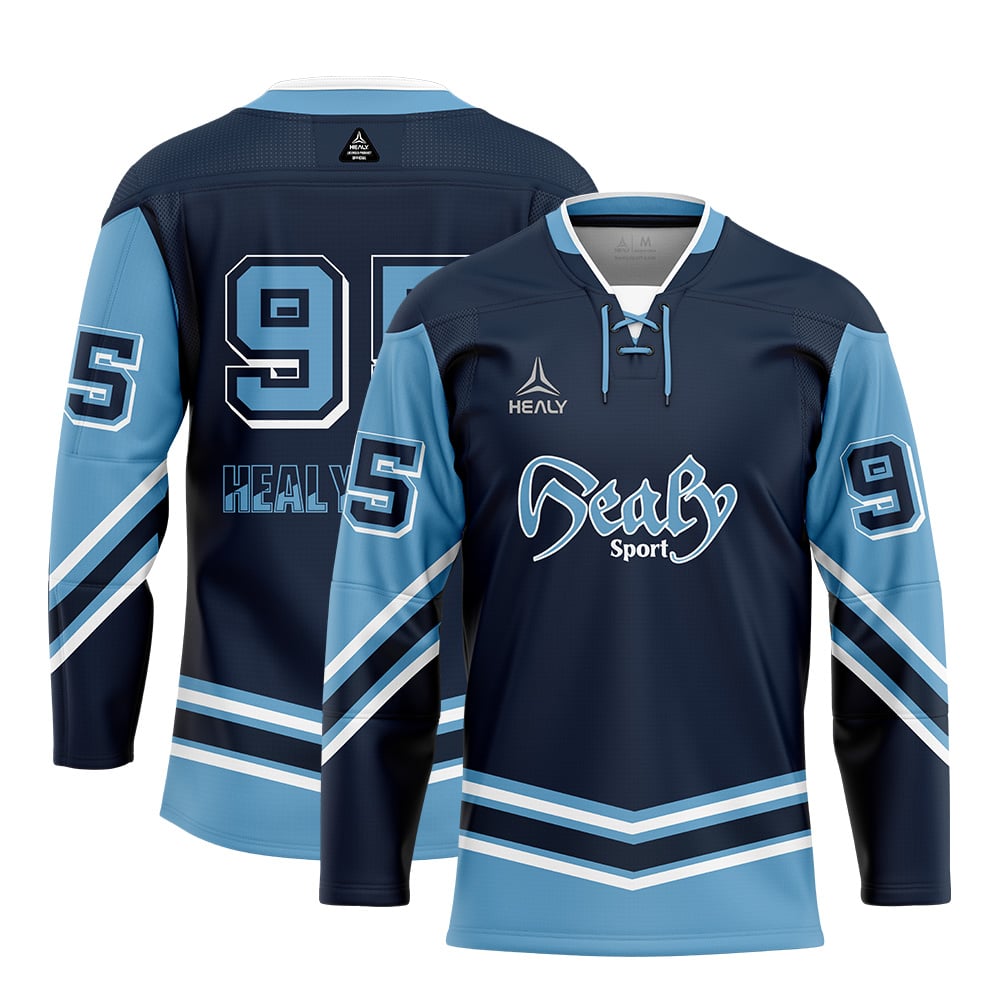
As a team manager who has navigated the complex world of sports apparel procurement for over a decade, I have learned that price is rarely just about the number on the invoice. When ordering custom Basketball Jerseys, understanding the underlying cost drivers is essential to avoid budget overruns and ensure you receive value for your money. Many teams fall into the trap of comparing quotes based solely on the total unit price, ignoring critical factors like fabric weight, printing technology, and hidden fees. This lack of transparency often leads to disappointing results: jerseys that fade after two washes, numbers that peel off during games, or unexpected charges that blow out the season’s budget. To make informed decisions, one must dissect the anatomy of a Basketball Jersey quote. This guide explores the primary components affecting cost—fabric, printing, volume, design complexity, construction, and hidden fees—providing a framework for evaluating suppliers and securing high-quality uniforms at fair prices.
The most significant variable in the cost of a Basketball Jersey is the fabric itself. Not all polyester is created equal. Suppliers often list "polyester" without specifying the GSM (grams per square meter), which determines the thickness, durability, and opacity of the garment. A lightweight 120-140 GSM fabric might seem cheaper initially, but it can be sheer when wet, prone to tearing, and may lose its shape quickly. For competitive play, a mid-weight 160-180 GSM technical mesh is recommended for its balance of breathability and structure. Heavyweight fabrics above 200 GSM offer premium durability but increase shipping costs due to weight.
Furthermore, functional treatments add to the cost. Moisture-wicking capabilities, antimicrobial finishes to prevent odor, and four-way stretch blends with spandex are premium features that justify a higher price point. When reviewing quotes for Sustainable Activewear, look for GRS-certified recycled polyester. While this may carry a slight premium over virgin polyester, it ensures environmental responsibility and often matches the performance metrics of traditional materials. Healy Sportswear provides transparent fabric specifications, clearly listing GSM and composition, allowing managers to verify that they are not paying premium prices for substandard, thin materials that will degrade rapidly.
Printing technology dramatically impacts both the cost and the quality of a Basketball Jersey. There are three main methods, each with distinct economic profiles.
Economies of scale play a vital role in Basketball Jersey pricing. Traditional factories often impose MOQs of 50 to 100 units, forcing smaller clubs to buy excess inventory or pay inflated unit prices. Large orders spread fixed costs—such as machine calibration and labor overhead—across more units, reducing the per-jersey price. However, modern digital printing technologies have changed this dynamic. With dye-sublimation, there is virtually no difference between printing one jersey and one hundred; the cost is linear. This allows startups and local leagues to order small quantities without suffering from exorbitant unit premiums. When comparing suppliers, scrutinize their MOQ policies. A partner like Healy Sportswear supports flexible ordering, enabling teams to start small, test the market, and scale up without financial penalty. This flexibility is crucial for managing cash flow while maintaining professional standards for every player’s Basketball Jersey.
While sublimation handles color complexity effortlessly, other aspects of design affect labor costs. Intricate cuts, such as raglan sleeves versus set-in sleeves, require different sewing techniques and more skilled labor. Raglan sleeves allow for greater range of motion and are preferred by athletes, but they take longer to construct. Similarly, adding piping, contrast stitching, or multiple fabric panels increases manufacturing time and material waste, raising the final price of the Basketball Jersey. Simple, single-piece front and back panels are the most cost-effective. However, compromising too much on design can lead to poor fit and comfort. Managers should balance aesthetic desires with practical production realities. Requesting a physical sample before committing to bulk production helps identify if the added complexity is worth the extra cost. Transparent suppliers will break down these labor costs, explaining why a specific design feature incurs additional charges.
One of the biggest frustrations for team managers is discovering hidden fees after signing a contract. Common pitfalls include digitalization fees for converting artwork, surcharges for plus-size jerseys, packaging fees, and rush order penalties. Some suppliers quote a low base price only to add 30-50% in extras later. To avoid this, demand an itemized quote that includes everything from fabric sourcing to final delivery. Ask specifically: Are there setup fees? Do you charge for size variations? Is shipping included? A reputable manufacturer practices "all-inclusive" pricing. Healy Sportswear, for example, eliminates digitalization and setup fees for sublimated Basketball Jerseys and includes standard packaging in the unit cost. This transparency prevents budget shocks and ensures that the quoted price is the final price, fostering trust and long-term partnerships.
On September 17, 2026, a growing youth basketball league in Toronto, Canada, faced a budget crisis. They had received quotes from three suppliers for their new season’s Basketball Jerseys. Supplier A offered the lowest unit price but used 120 GSM fabric and heat transfer vinyl, which would likely fail within months. Supplier B charged high setup fees for screen printing, making their complex gradient designs unaffordable. Supplier C, Healy Sportswear, provided a detailed breakdown showing 160 GSM recycled polyester, dye-sublimation printing with zero setup fees, and inclusive sizing adjustments. Although Healy’s initial quote appeared slightly higher than Supplier A, the league calculated the total cost of ownership. Supplier A’s jerseys would need replacing twice a year, whereas Healy’s durable, fade-resistant Basketball Jerseys lasted three seasons. Additionally, Healy’s flexible MOQ allowed the league to order exact quantities for each age group, avoiding deadstock. The league chose Healy, saving 20% annually on replacement costs and receiving praise from parents for the superior quality and comfort of the uniforms. This case illustrates how analyzing cost structures rather than just unit prices leads to smarter financial decisions.
Pricing for custom Basketball Jerseys is multifaceted, influenced by fabric quality, printing technology, order volume, design complexity, and fee transparency. By understanding these elements, team managers can move beyond superficial comparisons and evaluate suppliers based on value and longevity. Prioritizing sublimation for durability, verifying fabric weights, and demanding itemized quotes are key strategies for success. Partnering with a transparent provider like Healy Sportswear ensures that every dollar spent contributes to a high-performance, lasting product. Ultimately, investing in quality Sustainable Activewear enhances team pride, player safety, and organizational reputation, proving that the right price is the one that delivers true value.
18 September, 2026
Sustainable Activewear Pricing Guide: What Affects Custom Production Costs?