EN

As the Operations Director of a growing community sports league, I have learned that managing uniform procurement is one of the most complex logistical challenges in amateur athletics. Unlike professional franchises with dedicated apparel managers, local leagues rely on volunteer committees and limited budgets to outfit dozens of teams. For years, our league struggled with the "nightmare cycle" of jersey ordering: delayed shipments arriving after the season started, non-compliant designs that barred players from competing, and sizing errors that led to chaotic exchanges during game days. These issues not only frustrated participants but also threatened the league’s reputation and financial stability. To solve these systemic problems, we had to rethink our supply chain strategy entirely. This case study details how we transitioned from a fragmented, high-risk procurement model to a streamlined, reliable partnership with Healy Sportswear, ensuring that every player received a high-quality Basketball Jersey on time, within budget, and fully compliant with league regulations.
The core challenge for any local league organizer is balancing diversity with standardization. We host over thirty teams, ranging from small youth clubs with fewer than ten members to large adult recreational groups with fifty-plus players. Previously, we attempted to centralize orders by forcing all teams into a single template, which stripped away team identity. Alternatively, allowing individual teams to source their own gear resulted in inconsistent quality, mismatched branding, and severe compliance issues.
One of the most persistent pain points was the lack of design support. Our committee members were athletes and administrators, not graphic designers. When teams submitted low-resolution JPEGs or incorrectly formatted files, production would stall while we played middleman, chasing down vector files and color codes. This back-and-forth often added two weeks to the timeline, pushing delivery dates dangerously close to opening day. Furthermore, traditional suppliers imposed minimum order quantities (MOQs) of 50-100 units. Small teams could not meet these thresholds, leaving them either without uniforms or forced to buy excess inventory they didn’t need. This rigidity stifled participation and growth.
Compliance was another silent killer. Many leagues have strict rules regarding number size, placement, and contrast. A supplier focused solely on manufacturing rarely checks these regulatory nuances. We once faced a crisis where twenty teams were disqualified from a tournament because their Basketball Jersey numbers were too small according to the new regional rulebook. The cost of reprinting and the reputational damage were devastating. Additionally, hidden fees for personalization, large sizes, and rush shipping often blew up our budget by 30%, making it impossible to forecast costs accurately. Finally, mid-season replacements for lost or damaged jerseys were nearly impossible; suppliers refused small add-on orders or delivered batches with significant color variance, breaking the visual unity of the league.
To address these failures, we defined clear criteria for our new partner. We needed a provider who understood the unique ecosystem of local sports: high volume variability, tight deadlines, strict compliance needs, and zero tolerance for hidden costs. The solution required more than just printing; it demanded a full-service operational framework.
First, we needed reverse-engineered scheduling. Instead of asking "how long does production take?", we asked "when do we need them?" and worked backward. This meant locking in design approvals earlier and having a transparent production tracker. Second, we required integrated design assistance. The supplier needed to help standardize the league’s visual identity—creating a master style guide for fonts, logos, and colors—while still allowing each team to customize their specific crest and sponsor placements. Third, flexible MOQs were non-negotiable. If a team had only eight players, they should be able to order eight jerseys without penalty. Fourth, sizing accuracy had to be improved through physical validation, not just digital charts. Fifth, cost transparency was essential for board approval; we needed an all-inclusive price per unit. Lastly, we needed mid-season replenishment capability with guaranteed color consistency.
We partnered with Healy Sportswear to implement this comprehensive strategy. The process began with a joint planning session where Healy’s project managers reviewed our league’s official rulebook. They created a compliance checklist that was embedded into the design software, automatically flagging any artwork that violated number size or contrast standards before it even reached the pre-press stage. This proactive approach eliminated the risk of disqualification.
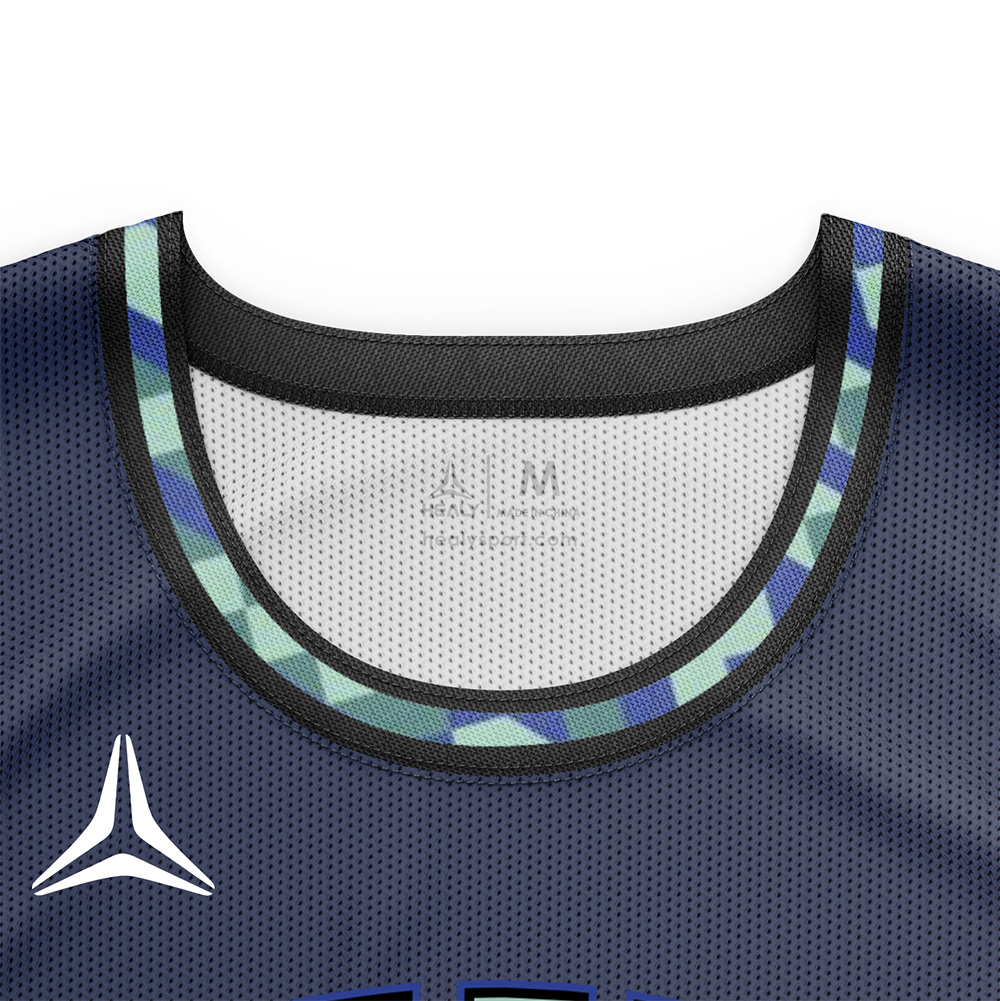
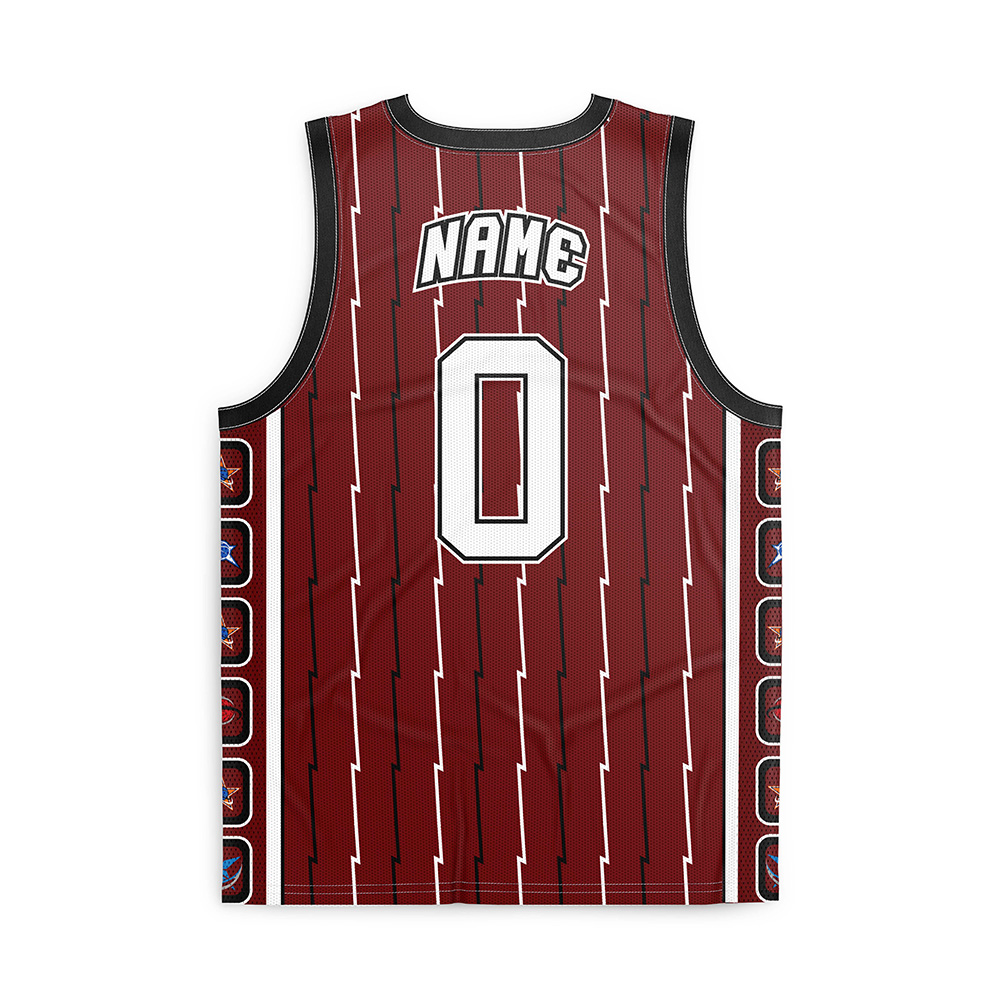
Next came the design phase. Healy assigned a dedicated design team to work with our league coordinators. They developed a unified "League Visual System," defining standard typography for names and numbers, and a consistent layout for sponsor logos across all teams. Individual teams then submitted their unique crests and color preferences, which Healy’s designers integrated into the system. This ensured that while every Basketball Jersey looked distinct, they all belonged to the same family. Digital proofs were generated within 48 hours, and revisions were handled efficiently with a cap on free edits, keeping the timeline on track.
For sizing, we utilized Healy’s trial sample service. Before bulk production, we ordered one set of samples in various sizes for key captains from different divisions. These players tried on the garments, providing feedback on fit and comfort. Based on this data, we adjusted the size charts for the subsequent bulk order. This step reduced our return rate from a historical average of 30% to less than 3%.
Production itself was managed via a real-time dashboard. We could see exactly where each batch stood—from fabric cutting to sublimation printing to sewing. Because Healy owns its factory, there was no outsourcing delay. The use of dye-sublimation technology meant that custom names and numbers were printed directly onto the fabric panels during the main run, eliminating the need for separate vinyl application steps and reducing labor costs. This efficiency allowed us to maintain a 12-day lead time for bulk orders, even during peak season.
Financially, the shift to Healy yielded immediate benefits. The initial quote appeared slightly higher per unit than some low-cost competitors, but the Total Cost of Ownership (TCO) analysis revealed significant savings. Traditional suppliers charged extra for setup, digitization, individual name printing, and large-size surcharges. With Healy’s all-inclusive pricing, these hidden costs vanished. Personalization was free, and extended sizes carried no premium.
Moreover, the reduction in returns and exchanges saved us thousands in logistics and administrative labor. In previous seasons, processing size swaps involved multiple email chains, manual packing, and double shipping fees. Now, with accurate sizing upfront, those costs were negligible. The ability to handle small batches meant we could onboard new teams instantly without waiting for a bulk threshold, increasing our registration revenue. By avoiding compliance-related reprints, we prevented potential catastrophic losses. The ROI was not just in money saved, but in time reclaimed for our volunteers and enhanced participant satisfaction. Every Sustainable Activewear piece purchased contributed to a smoother operation, proving that quality sourcing is an investment, not an expense.
The success of this initiative transformed our league’s culture. Players appreciated the durability and comfort of the recycled polyester fabrics, which met CE, UKCA, ASTM/CPSIA, FSC, and REACH safety standards. Parents noticed the vibrant colors that didn’t fade after washing. Coaches valued the professional look that boosted team morale.
Most importantly, the reliability built trust. When a star player tore his jersey during playoffs, we placed a replacement order on Monday and received it by Friday, matching the original color perfectly thanks to Healy’s controlled sublimation process. This responsiveness turned critics into advocates. Teams began referring other local clubs to us, citing the ease of the ordering process. Our league’s brand equity grew, attracting better sponsors who wanted their logos displayed on high-quality gear. The positive feedback loop led to a 25% increase in registrations the following year. We moved from being seen as a disorganized group struggling with logistics to a professional entity known for operational excellence.
On September 20, 2026, the Toronto Community Basketball League, comprising 45 teams across five age divisions, faced a critical deadline. Their previous supplier had failed to deliver on time due to a backlog, threatening the start of the fall season. Desperate, the league director contacted Healy Sportswear.
Healy implemented their rapid-response protocol immediately. Within 24 hours, they audited the pending designs for compliance with Ontario provincial basketball regulations, correcting three instances of improper number spacing. They leveraged existing fabric stock to bypass procurement delays and prioritized the order on their internal sublimation lines. Trial samples were fast-tracked to team captains for fit confirmation, reducing sizing errors to under 2%. The entire production run, including personalized names and numbers, was completed in 10 working days. The goods arrived at the venue three days before the first game. The league reported zero defects and unanimous praise from participants. This emergency intervention saved the season and established Healy as the league’s exclusive partner for future years.
Managing a local sports league requires navigating a minefield of logistical, financial, and regulatory challenges. By partnering with a manufacturer that offers end-to-end solutions—from compliance checks and design assistance to flexible MOQs and transparent pricing—we successfully mitigated these risks. The result was a seamless season where every athlete stepped onto the court in a well-fitted, regulation-compliant, and visually stunning Basketball Jersey. This case demonstrates that when operations are optimized through strategic partnerships, the focus can shift from putting out fires to fostering community and competition.
23 September, 2026
Custom Basketball Jersey Printing Process: From Artwork to Finished Teamwear