EN

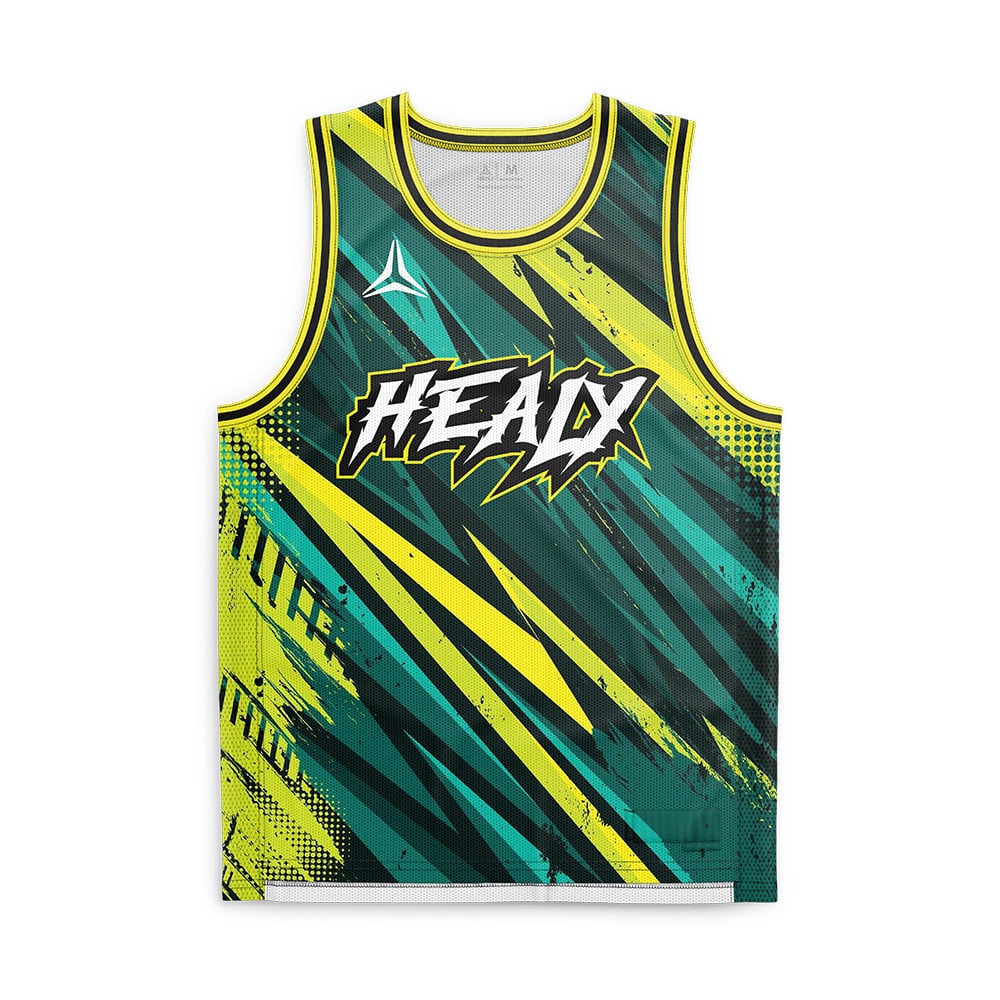
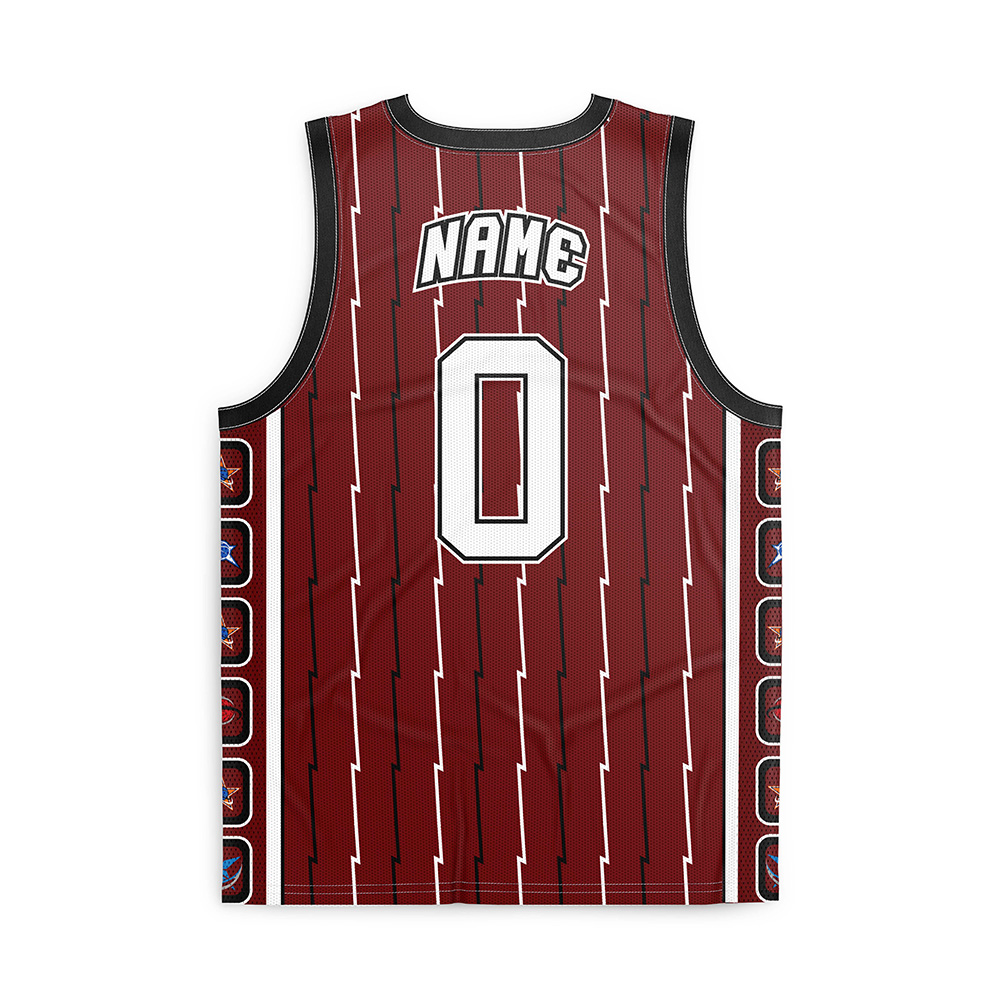
As the Team Operations Manager for a competitive regional basketball league, I have learned that the difference between a successful season and a logistical nightmare often comes down to one critical factor: quality control. For years, we treated jersey procurement as a simple transaction—submit artwork, pay the invoice, and hope for the best. This passive approach led to frequent disasters: blurry prints on small logos, colors that shifted dramatically from the approved sample, inconsistent sizing within the same batch, and seams that unraveled after just a few games. These issues not only damaged our brand reputation but also frustrated players and parents alike. To solve these systemic failures, we implemented a rigorous, multi-stage Quality Control (QC) checklist that governs every step of the Basketball Jersey production process. This guide outlines the essential checkpoints—from design file pre-review to final delivery verification—that ensure every custom order meets professional standards. By adopting this structured framework, teams can transform their uniform procurement from a source of anxiety into a reliable pillar of team identity.
The first line of defense in quality assurance is the digital audit of submitted artwork. Many suppliers accept files "as-is," leading to catastrophic errors during printing. A robust QC process begins with a mandatory technical review before any ink touches paper or fabric. We check three primary elements: resolution, color mode, and content accuracy.
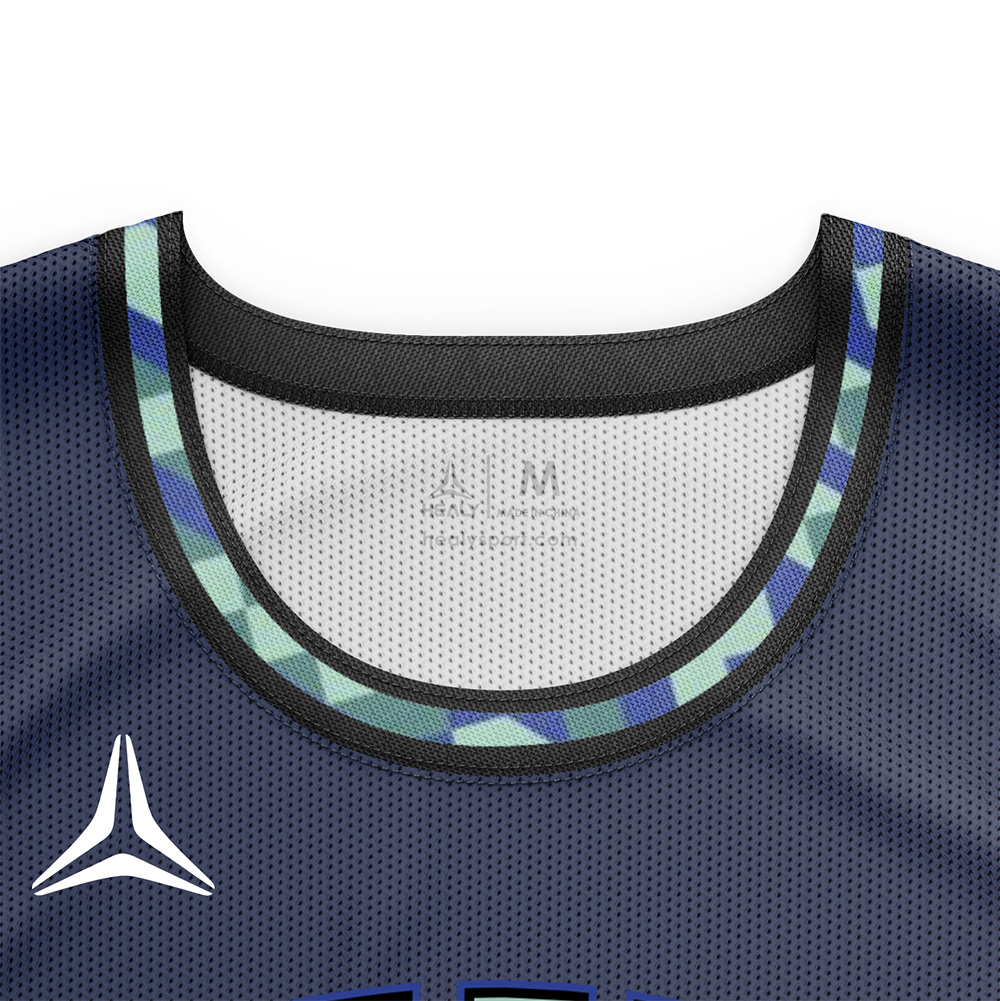
First, all raster images must be at least 300 DPI at full scale. Low-resolution JPEGs may look fine on a computer screen but become pixelated and blurry when enlarged on a Basketball Jersey. Second, we verify that the color mode is CMYK, not RGB. Screens display colors in RGB, which has a wider gamut than printers can reproduce. If a designer submits an RGB file, the printed colors will inevitably appear dull or shifted compared to the mockup. Finally, we conduct a meticulous text and data audit. Every player’s name, number, and sponsor logo placement is cross-referenced against the official roster list. A single typo in a player’s surname or a misplaced decimal in a sponsor’s phone number can render a Basketball Jersey unusable. Healy Sportswear exemplifies this proactive approach by assigning dedicated designers to audit files, catching errors like incorrect font kerning or missing bleed margins before production begins. This step eliminates the most common cause of reprints: preventable human error in the digital stage.
Once the design is approved, the focus shifts to material integrity and color fidelity. Inconsistent fabric quality is a silent killer of Sustainable Activewear brands. Our QC checklist requires verification of fabric composition, weight (GSM), and texture. For basketball, we specify lightweight, breathable polyester meshes ranging from 140 to 180 GSM. Any deviation in weight affects the drape and opacity of the final Basketball Jersey, potentially causing transparency issues under bright arena lights.
Color matching is equally critical. Relying solely on digital proofs is insufficient because screens vary widely. Therefore, we mandate physical swatch approval. Before bulk cutting, the supplier must provide a strike-off—a small piece of actual fabric with the printed design. We compare this against the approved digital mockup using standardized lighting conditions (D65 daylight). The acceptable color variance is defined by the Delta E (ΔE) metric; we require ΔE ≤ 3 for commercial acceptance. Anything higher results in visible differences that confuse players and sponsors. Additionally, we verify certifications such as OEKO-TEX, CE, UKCA, ASTM/CPSIA, FSC, and REACH to ensure the fabrics are safe, eco-friendly, and compliant with international regulations. This phase ensures that the canvas itself is worthy of the art, guaranteeing that every Basketball Jersey feels premium and looks consistent across batches.
The printing stage is where the visual identity of the Basketball Jersey is realized. Whether using dye-sublimation, screen printing, or heat transfer, specific defects must be screened out. For sublimation, which is preferred for its durability and breathability, we inspect for "ghosting" (double images caused by paper shifting) and "banding" (horizontal lines caused by clogged printer heads). We also check for ink saturation levels; too little ink results in faded colors, while too much can stain the white background.
Durability testing is non-negotiable. We perform wash tests on sample units to simulate real-world usage. After five industrial cycles, we examine the print for cracking, peeling, or fading. Heat-transfer vinyl is notorious for lifting at the edges after minimal washing, whereas high-quality sublimation should remain vibrant and integrated into the fiber. We also test for colorfastness against sweat and sunlight, ensuring that the Basketball Jersey does not bleed onto skin or fade during outdoor tournaments. Suppliers who skip this step often deliver products that look great initially but degrade rapidly, damaging the team’s image. Healy’s internal lab conducts these stress tests routinely, providing data-backed assurance that their prints withstand the rigors of competitive play.
A beautifully printed panel is worthless if it falls apart during movement. The sewing phase determines the structural integrity and fit of the Basketball Jersey. Our checklist focuses on stitch type, seam strength, and dimensional consistency. For athletic wear, standard lockstitching is often inadequate due to the high tension placed on seams. We require four-thread overlock or flatlock stitching, which provides elasticity and prevents chafing. We inspect seams for skipped stitches, loose threads, and uneven tension, all of which lead to premature failure.
Dimensional accuracy is another major pain point. Sizing inconsistencies within the same lot frustrate coaches trying to distribute gear. To combat this, we implement a random sampling protocol where ten percent of the finished goods are measured against the size chart. Key metrics include chest width, body length, and sleeve length. Tolerances are strictly set at ±1-2 cm. If a Medium jersey measures significantly larger than the spec, it disrupts the entire distribution plan. Furthermore, we check alignment of patterns across seams, particularly for complex designs on Sustainable Activewear. Misaligned graphics break the visual continuity of the Basketball Jersey, making it look amateurish. Rigorous inspection here ensures that every unit fits true to size and maintains aesthetic cohesion.
The final gatekeeper is the packaging and shipping audit. Errors at this stage are costly and time-sensitive, especially when deadlines loom. We verify quantity first: does the box contain exactly the number of jerseys ordered? Next, we check personalization accuracy. Each Basketball Jersey must bear the correct name and number corresponding to the packing slip. Mismatched names are a common issue in bulk orders; a player receiving someone else’s jersey causes immediate disruption.
We also inspect the condition of the packaging. Jerseys should be folded neatly, free of creases that might damage the print, and protected from moisture. Labels must be accurate, indicating size, care instructions, and origin. Finally, we review the accompanying documentation, including invoices, compliance certificates, and tracking numbers. A complete lack of traceability makes resolving disputes impossible. Healy’s system includes barcode scanning for each item, ensuring zero-error fulfillment. This final check guarantees that what leaves the factory matches exactly what was promised, protecting the investment and the team’s morale.
On September 20, 2026, a mid-sized youth basketball league in Toronto, Canada, faced a potential disaster. Two weeks before the championship finals, they discovered that their previous supplier had delivered Basketball Jerseys with severe color mismatches and inconsistent sizing. The navy blue jerseys varied from dark midnight to light slate, and some mediums were as large as adults’ large sizes. With no time to reorder from scratch, the league turned to Healy Sportswear for an emergency intervention.
Healy immediately initiated their rapid-response QC protocol. First, they audited the original design files, correcting minor spacing issues in the sponsor logos. They then produced new strike-offs within 24 hours, locking in the exact Pantone shade for the navy base. Using their in-house sublimation lines, they bypassed external delays and controlled the color variance to ΔE < 2. During production, they conducted 100% dimensional checks, measuring every jersey to ensure uniformity. Finally, they used barcode scanning to verify that each player’s name and number matched the updated roster. The replacement kits arrived three days before the tournament, with zero defects. The league reported improved player confidence and no complaints regarding fit or appearance. This case highlights how a strict QC checklist can save a season from chaos.
Quality control in custom apparel is not an optional add-on; it is the foundation of trust. By implementing a comprehensive checklist covering design validation, material verification, print durability, construction precision, and packaging accuracy, sports organizations can eliminate the risks associated with poor manufacturing. Partnering with suppliers who prioritize transparency and adhere to rigorous standards—such as those certified by CE, UKCA, and REACH—ensures that every Basketball Jersey reflects professionalism and pride. Ultimately, a well-controlled supply chain allows teams to focus on what matters most: performance on the court.
23 September, 2026
Custom Basketball Jersey Printing Process: From Artwork to Finished Teamwear