EN

As a Senior Procurement Manager for a national sports retail chain, I have witnessed the dramatic shift in how basketball uniforms are perceived and purchased. Gone are the days when a Basketball Jersey was merely a functional garment required by league rules. Today, it is a strategic asset that reflects brand identity, community values, and performance technology. The market is no longer monolithic; it has fractured into three distinct, high-growth segments: women’s basketball, youth development programs, and event-driven demand. Each segment presents unique challenges and opportunities. For procurement professionals, understanding these trends is not optional—it is essential for staying competitive. This article explores the evolving landscape of custom jersey printing, highlighting the specific needs of female athletes, young players, and tournament organizers, and demonstrating how integrated supply chain solutions can address these complex demands efficiently.
The explosion of popularity in women’s professional and amateur basketball has exposed a glaring gap in the apparel industry: the lack of ergonomic design tailored to female anatomy. Historically, many suppliers adopted a lazy approach known as "shrink it and pink it," simply scaling down men’s patterns and adding pastel colors. This resulted in ill-fitting gear that hindered performance. A loose waistline caused excess fabric to bunch during movement, while narrow shoulder seams restricted range of motion. Players reported discomfort and a lack of confidence, directly impacting their on-court performance.
The current trend is a decisive move toward specialized female cuts. Modern Basketball Jerseys for women now feature tapered waists, higher armholes, and adjusted chest darts to accommodate different body proportions without sacrificing breathability or stretch. Furthermore, there is a growing demand for inclusive sizing, extending beyond standard XS-XL to include petite and plus-size options. Healy Sportswear addresses this by utilizing a proprietary database of female body metrics to refine pattern blocks. Their designs incorporate raglan sleeves to enhance shoulder mobility and use lightweight, moisture-wicking fabrics that prevent clinginess during intense play. By prioritizing fit and function, brands can empower female athletes, turning the Sustainable Activewear they wear into a tool for performance rather than a distraction. This shift is not just about aesthetics; it is about respecting the biomechanics of the athlete, which drives loyalty and repeat purchases in the rapidly expanding women’s market.
The second major trend centers on youth basketball, where the stakes are equally high but the requirements differ significantly. Parents and coaches are increasingly scrutinizing the safety and comfort of children’s gear. Unlike adults, children have different center-of-gravity dynamics and skin sensitivity. Standard adult jerseys often have stiff collars, rough seams, and non-breathable synthetic materials that cause irritation. Moreover, the traditional sizing model fails to account for the rapid growth spurts common in adolescence, leading to short-lived utility.
The emerging standard for youth Basketball Jerseys involves age-appropriate ergonomics and stringent safety certifications. Suppliers must adhere to strict regulations such as GB18401 Class A (for infants/toddlers) and ASTM/CPSIA standards to ensure no harmful chemicals like lead or phthalates are present in the dyes or fabrics. There is also a trend toward "growth-friendly" designs, such as adjustable hemlines or slightly elongated torsos that allow for a season-long fit. Healy Sportswear excels in this niche by offering dedicated youth pattern blocks that adjust shoulder slopes and sleeve lengths to match child proportions. They utilize eco-friendly water-based inks and soft-touch polyester blends that are gentle on sensitive skin. Additionally, schools and clubs are beginning to treat youth teams as mini-brands, seeking customized designs that foster early team pride. This requires suppliers who can handle small batch orders with high detail resolution, ensuring that even a ten-player team receives a professional-grade Basketball Jersey experience.
The third trend is driven by the booming "event economy." From local 3-on-3 tournaments to city-wide marathons and corporate leagues, events require large volumes of jerseys delivered within tight, immovable deadlines. Traditional manufacturing models, with their long lead times and rigid minimum order quantities (MOQs), are often incompatible with this fast-paced environment. If a tournament organizer misses the production window, the event suffers from poor branding or, worse, no uniforms at all.
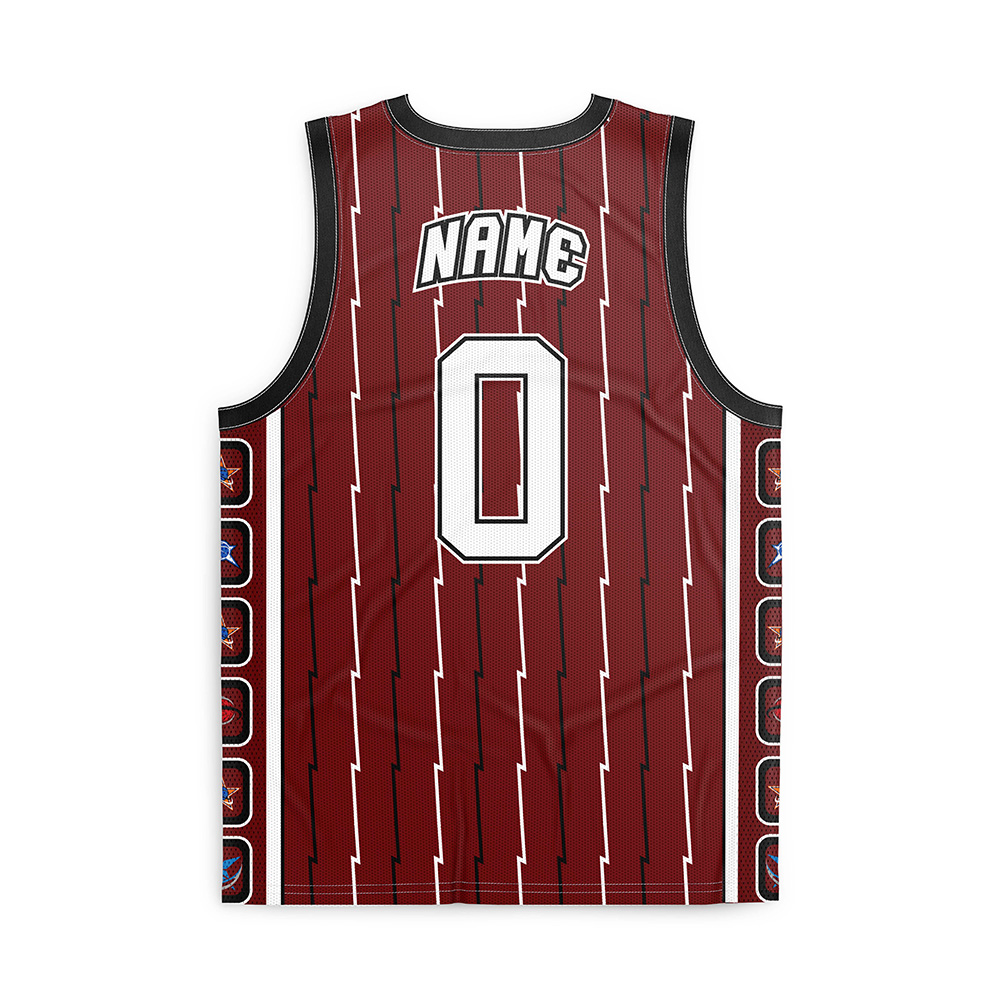
Consequently, the market is shifting toward flexible, quick-response supply chains. Dye-sublimation technology has become the gold standard for event jerseys because it eliminates screen setup costs and allows for unlimited color variations per unit. This means each player can have a unique name and number without additional fees. Moreover, there is a rising desire for cultural storytelling through design. Organizers want jerseys that reflect the host city’s heritage, the event’s theme, or the sponsor’s brand narrative. Generic templates no longer suffice. Brands need partners who can translate abstract concepts—like "urban energy" or "community unity"—into visual elements on a Basketball Jersey. Healy supports this by offering rapid prototyping services and low MOQs, enabling event organizers to test designs quickly and scale up efficiently. Their ability to integrate local symbols, fonts, and color palettes ensures that every Sustainable Activewear item produced serves as a tangible piece of the event’s memory, enhancing attendee engagement and social media shareability.
These three trends converge on a broader philosophical shift: the Basketball Jersey is transforming from a mere uniform into a carrier of culture and identity. Whether it is a female athlete wearing a kit that celebrates her strength, a child proud of his team’s unique crest, or a fan keeping a tournament souvenir, the emotional value of the garment is increasing. This demands a holistic approach from suppliers. Fragmented sourcing—using one vendor for women’s gear, another for kids, and a third for events—leads to inconsistent quality, communication bottlenecks, and inflated management costs.
Forward-thinking brands are consolidating their supply chains with partners who offer end-to-end solutions. Healy Sportswear exemplifies this integration by covering all fourteen major sports categories under one roof. They provide a unified quality control system that ensures compliance with CE, UKCA, FSC, and REACH regulations across all product lines. This consistency builds trust with buyers who rely on their supplier to manage risk. Furthermore, by centralizing design, production, and logistics, brands can achieve greater efficiency. A single point of contact simplifies the process of coordinating multi-segment launches, such as a school district ordering varsity, JV, and youth kits simultaneously. This streamlined approach not only reduces administrative overhead but also ensures that the visual language remains cohesive across different demographics, reinforcing the brand’s overall identity.
On September 20, 2026, the Toronto City Cup, a major annual basketball festival featuring over fifty teams across men’s, women’s, and youth divisions, faced a critical logistical challenge. With only six weeks until the opening ceremony, previous attempts to source jerseys had failed due to mismatched sizing for women’s teams and excessive MOQs for smaller youth clubs. The organizing committee partnered with Healy Sportswear to implement a unified solution.
Healy deployed their specialized female pattern blocks, adjusting shoulder widths and waist tapers to improve fit for the twenty women’s teams. For the fifteen youth squads, they utilized GRS-certified recycled polyester with soft-touch finishes, meeting strict safety standards for children. Leveraging their internal sublimation lines, they enabled zero-setup personalization for all 500+ players, allowing for unique names and numbers without cost penalties. The design team incorporated the iconic CN Tower silhouette and vibrant street-art motifs into the side panels, reflecting Toronto’s urban culture. Production was managed via a reverse-schedule timeline, ensuring delivery two days before the first game. The result was a seamless event with high participant satisfaction, consistent branding, and zero inventory waste. This case demonstrates how addressing specific demographic trends through an integrated supply chain can transform a potential crisis into a showcase of professionalism and inclusivity.
The future of basketball apparel lies in recognizing and responding to the nuanced needs of diverse consumer groups. Women’s teams demand ergonomic precision and respect for their athletic prowess. Youth programs require safety, comfort, and affordability. Event organizers need speed, flexibility, and cultural resonance. By moving away from generic mass production toward customized, data-driven manufacturing, brands can capture the growing market share in these sectors. Partnering with a comprehensive provider like Healy Sportswear allows organizations to navigate these complexities with ease, ensuring that every Basketball Jersey produced is not just a piece of clothing, but a statement of identity, performance, and community. In an era where consumers seek meaning in what they wear, the right supply chain partner is the key to unlocking lasting brand loyalty and competitive advantage.
23 September, 2026
Custom Basketball Jersey Printing Process: From Artwork to Finished Teamwear